
How to verify
- Ask whether the dough is made with lard (strutto) or with olive oil or butter.
- Ask what they are fried in.
- Ask about the rennet in the cheese.
- Frozen packs: look for 'strutto' or lard in the ingredients.
Quick checks
- Ask whether the dough is made with lard (strutto) or with olive oil or butter.
- Ask what fat they are fried in.
- Ask about the cheese's rennet if that matters to you; the honey is always fine.
What decides the answer
-
Dough and frying with oil or butter, microbial-rennet cheese
Halal -
Restaurant seadas of unknown fat
Halal if verified -
Cheese with animal rennet from an animal not slaughtered Islamically
Scholarly difference -
Dough made with lard, or fried in lard
Haram
Why this ruling
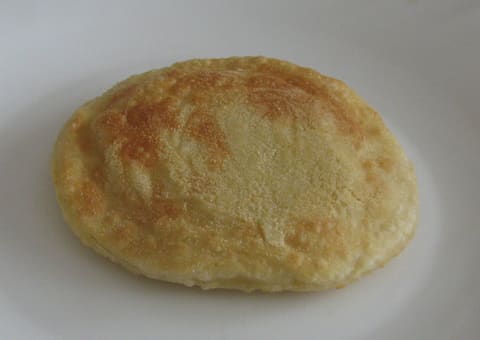
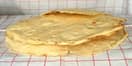
Seadas (also sebadas) are Sardinia's best-loved dessert: a large, round pastry of semolina dough sealed around a disc of fresh, slightly sour sheep's cheese flavoured with lemon or orange zest, fried until golden and blistered, and served hot with honey poured over.[3] The classic honey is miele di corbezzolo, from the strawberry tree, which is dark and bitter and cuts through the cheese. Once a shepherds' dish for the return from the pastures, seadas now end almost every Sardinian restaurant meal.[1]
What decides it
| Part | Usually | Halal? |
|---|---|---|
| Dough | Durum wheat semolina, water, and lard in the traditional recipe | Lard, no; olive oil or butter, yes |
| Cheese | Fresh sheep's or cow's milk cheese | Depends on the rennet |
| Lemon or orange zest | Plant | Yes |
| Frying fat | Olive oil or vegetable oil; lard in some kitchens | Oil, yes; lard, no |
| Honey or sugar | Honey or plant | Yes |
Honey, zest and semolina are Halal. The traditional dough is worked with lard (strutto), and some kitchens still fry in it; many modern cooks and producers use olive oil or butter instead.[2] The cheese is a young sheep's or cow's cheese set with rennet: microbial, or from an animal slaughtered Islamically, is Halal; pork rennet is not; rennet from a lamb or calf not slaughtered Islamically is a point of scholarly difference.
Ordering and buying
In a restaurant, ask what the dough is made with and what the seadas are fried in; both answers need to be oil or butter. Frozen seadas, sold in Sardinian supermarkets and some Italian shops abroad, list the fat in the ingredients: look for strutto, or its English translation, lard. The rennet is rarely stated, so ask the maker if it matters to you.
For other Sardinian food, see culurgiones, pane carasau and the Sardinia guide; for the fat, lard; for the topping, honey.
Frequently asked questions
Are seadas Halal?
Is the honey a problem?
What is strutto?
Are frozen seadas from the shop Halal?
Scholarly view
Semolina, zest and honey are Halal; lard is Haram. Cheese rennet: microbial or from a Halal-slaughtered animal is Halal, pork rennet is not, and rennet from a lamb or calf not slaughtered Islamically is a point of scholarly difference.
Sources
Named Islamic, certifier, manufacturer, and regulatory sources used on this page. Inline markers like [1] jump here. Retrieval dates show when we last checked the live URL. Editorial methodology.
Islamic / scriptural
Context / background
-
Wikipedia Retrieved
Culinary identity: Sardinian pastry: a semolina and lard dumpling filled with soured pecorino and lemon peel, fried in olive oil and served with honey. Identity context, not a Halal certificate.
-
People also check
Related ingredients and products for this item.
Browse this topic
Open the parent category hub for more foods in the same group.