
Is Prosciutto Halal?
No — this one is Haram.
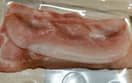
Prosciutto is Italian dry-cured ham made from a pig's hind leg, so it is Haram.
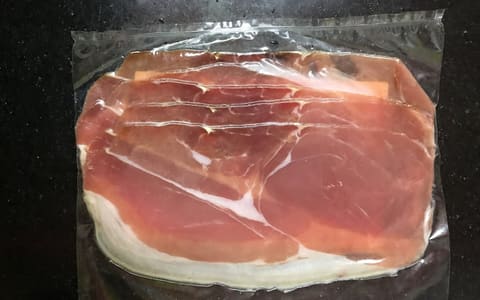
Photo: Indrajit Das · CC BY-SA 4.0
Why it is Haram
There is no scholarly debate: prosciutto is pork by definition, and pork is Haram by explicit Qur'anic text. Curing is not istihalah. See Qur'an 2:173 and 5:3.
Quranic guidance
-
Surah Al-Baqarah 2:173
"He has only forbidden to you dead animals, blood, the flesh of swine, and that which has been dedicated to other than Allah."
Where it shows up
- Antipasto boards and charcuterie
- Wrapped around melon or breadsticks
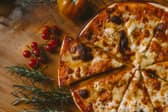
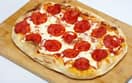
- Pizza and flatbread topping
- Sandwiches and paninis
- Pasta dishes and salads
Why this ruling
Prosciutto is Italy’s celebrated dry-cured ham: the hind leg of a pig, massaged with sea salt and hung to air-dry for anywhere from nine months to three years. Parma and San Daniele are the famous protected names, and the paper-thin rosy slices are fixtures of antipasto platters, pizzas, and paninis worldwide. Prosciutto crudo is the raw-cured version; prosciutto cotto is Italian cooked ham.
Settled Haram ruling
Because prosciutto is pork by definition, its status is completely settled: Haram. The Qur'an prohibits the flesh of swine in explicit terms[1][2], and the prohibition is total—it covers the meat, the fat marbled through it, and anything cooked with it. The elaborate curing process makes no difference; salting and ageing preserve the pork rather than transforming it into a different substance, so no istihalah (transformation) argument applies, and no Halal certifier anywhere certifies pig-derived prosciutto. USDA/FSIS materials address pork product safety, not religious permissibility (fsis.usda.gov, retrieved 20 July 2026).
Restaurant hideouts
When dining Italian, prosciutto has a habit of appearing beyond the charcuterie board: draped over pizza after baking, tucked into tortellini and chicken dishes (“saltimbocca” wraps veal in it), crisped over salads, or listed simply as “crudo” or “Parma ham.” Vegetarian-looking dishes like melon starters often come wrapped in it. A direct question to the server—does this contain prosciutto, ham, pancetta, or guanciale?—covers the whole pork-curing family at once.
Halal alternatives
The happy development for Halal eaters is that cured-meat craft has crossed over. Several European producers make certified Halal “beef prosciutto” and veal and lamb versions, cured and air-dried in the traditional way, and older Muslim-world classics were there all along: Turkish pastirma (air-dried spiced beef) and bresaola-style cured Zabiha beef give you the same intense, silky, salt-sweet slice with none of the doubt. Look for recognized Halal marks (reference: JAKIM MYeHALAL, retrieved 20 July 2026).
Menu vocabulary and shared boards
Italian menus bury pork behind pleasant words: crudo, speck, culatello, pancetta, guanciale, and “chef’s cured meats.” Ask for a pork-free antipasto or build a board from olives, cheese you accept, grilled vegetables, and Halal cured beef. Shared wooden boards that just held prosciutto are a cross-contact issue for strict practice—request a clean plate.
Grocery deli slicers used for Parma ham should not slice your Halal roast beef without a clean blade request. Cooking shows that say “prosciutto ends melt into the sauce” are describing pork fat dissolving into food—skip those techniques or substitute Halal beef bacon-style products. For wedding and catering trays, tell planners “no pork charcuterie” explicitly; otherwise melon-wrapped prosciutto appears by default as an elegant starter.
How to verify
- Halal charcuterie is a growing category: look for Halal beef prosciutto (several European Halal producers make it), veal prosciutto, lamb 'ham', Turkish pastirma (air-dried cured beef), and bresaola-style Zabiha beef.
- These deliver the salty, silky cured-meat experience without pork.
Quick checks
- Real prosciutto = pork = Haram—no exceptions for ageing.
- Ask restaurants about the whole cured-pork family.
- Melon/salad 'vegetarian-looking' dishes may still be wrapped in it.
- Choose certified Halal beef/lamb charcuterie alternatives.
Frequently asked questions
What is prosciutto made of?
Does the long curing process change the ruling?
Is there such a thing as Halal prosciutto?
What should I watch for in Italian restaurants?
Is prosciutto the same as ham?
Sources
Named Islamic, certifier, manufacturer, and regulatory sources used on this page. Inline markers like [1] jump here. Retrieval dates show when we last checked the live URL. Editorial methodology.
Islamic / scriptural
-
Qur'an Retrieved
Forbids carrion, blood, the flesh of swine and what is dedicated to other than Allah.
-
People also check
Related ingredients and products for this item.
Halal-conscious recipes
A substitution-led recipe that uses this analysis.