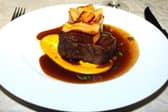

Is Veal Halal?
It depends on what the label says.
Veal is meat from young cattle (calves), a Halal species.
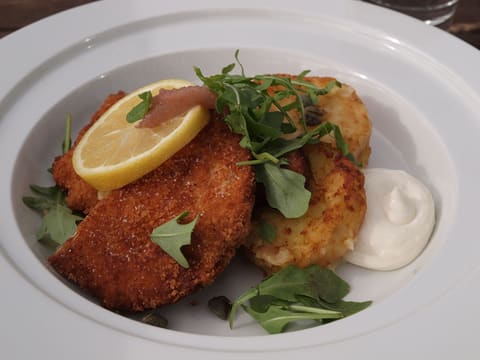
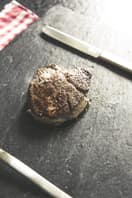
Photo: Leipnizkeks · CC BY-SA 3.0
How to verify
- Require Islamic slaughter certification or a trusted Halal butcher—do not assume supermarket veal is zabiha.
- For schnitzel and breaded cutlets, verify fryer oil and shared crumbs with pork.
- Watch wine braises (osso buco) and Parmesan toppings with animal rennet.
Quick checks
- Species OK (cattle) ≠ slaughter OK—verify zabiha/certification.
- Schnitzel fryers and wine braises are common restaurant spoilers.
- Veal Parmesan: check meat source and cheese enzyme (rennet).
What decides the answer
-
Calf/cattle meat: Halal species
-
Requires lawful Islamic slaughter or an accepted scholarly position on the meat source
-
Supermarket non-Halal veal: do not assume permissibility
-
Breaded/fried veal: verify oil and shared fryers
Why this ruling
Veal is the culinary name for meat from young calves, usually dairy-breed males not kept for milking. It is prized for pale colour, fine grain, and mild flavour compared with adult beef. In Islamic law, veal is cattle meat: a Halal species whose lawfulness on the plate depends on slaughter and handling, not on the marketing word “veal.”
Species vs slaughter
Cattle are Halal livestock. The conditions that matter match beef:
- Lawful slaughter — zabiha/dhabiha practice, or another meat-source position your scholar accepts.
- No swine contamination — shared slicers, pork-crumb breading lines, lard frying.
- No dedication to other than Allah — see the prohibition baseline at Qur'an 2:173 (retrieved 20 July 2026).
Non-Halal supermarket veal escalopes remain calf meat biologically; they are not automatically lawful for Muslims who require Islamic slaughter.
Age, husbandry, and ethics vs fiqh
Traditional pale veal production used confined housing and milk-heavy diets; many markets now use group housing and more varied feed. Those changes matter for animal welfare and for some consumers’ personal ethics. They do not invent a new fiqh category: a higher-welfare calf still needs lawful slaughter, and a conventionally raised calf from a Halal-certified plant remains Halal meat under that certification.
Signature dishes and kitchen risks
- Wiener schnitzel / cutlets — breading and shared fryers with pork schnitzel.
- Osso buco — classic braises may include white wine.
- Veal Parmesan — meat source plus cheese / rennet questions on the mozzarella/Parmesan.
- Stock and demi-glace — restaurant “veal jus” may include non-Halal bones or pork products.
Markets and certification
Veal is less ubiquitous than beef in many Muslim markets, so Halal-certified veal can be harder to find. When available, treat marks like any red-meat certificate. For Malaysian Halal claims on packaged veal, JAKIM MYeHALAL (retrieved 20 July 2026) is a public verification entry point.
FAO and livestock statistics track cattle/calf meat as ordinary bovine production (FAO cattle / livestock overview, retrieved 20 July 2026)—useful context that veal is bovine meat trade, not a special doubtful species.
European restaurant culture and frozen formats
Milanese cotoletta, saltimbocca, and Wiener schnitzel traditions center on thin veal escalopes breaded and fried. Even Halal-slaughtered veal fails the plate if the same fryer cooks pork schnitzel or if the breadcrumbs were sprayed with lard-based anti-stick sprays. Italian trattorias may finish veal in white wine and butter; French veal blanquette can use pork-laced stock cubes unless the kitchen confirms otherwise.
Frozen breaded veal patties and ready-made osso buco trays in European supermarkets list meat origin separately from sauce sachets—open the sauce packet ingredients before assuming the whole box is clean. Muslim travelers in Austria, Germany, and northern Italy should treat “veal” menu words like beef: species yes, slaughter and fryer must be verified.
Practical ruling
Halal animal, conditional Halal meat. Prefer certified Halal veal or a trusted butcher; interrogate fryers and wine sauces in European restaurants; do not assume “white meat of calf” language replaces a Halal mark.
Bottom line: Veal follows beef rules—species yes, slaughter must be verified.
Where you'll find it
- Cutlets and schnitzel
- Osso buco and stews
- Roasts and chops
- Veal Parmesan-style dishes
Frequently asked questions
Is veal the same Halal ruling as beef?
Is Wiener schnitzel Halal?
Does milk-fed or pale veal change the ruling?
What about osso buco with wine?
Where is the Qur'anic baseline for forbidden meat?
Scholarly view
Calves are cattle; cattle are Halal species. There is no separate ‘veal is doubtful’ classical category. Age and husbandry affect colour and tenderness, not species lawfulness. Modern consumers must still verify slaughter, stunning practice per their certifier, and kitchen contamination.
Animal welfare debates about veal housing are ethical/legal topics distinct from the Halal species ruling—though many Muslims prefer higher-welfare and clearly certified sources.
Sources
Named Islamic, certifier, manufacturer, and regulatory sources used on this page. Inline markers like [1] jump here. Retrieval dates show when we last checked the live URL. Editorial methodology.
Islamic / scriptural
-
Qur'an Retrieved
Cattle are not a prohibited species; unlawful slaughter and pork cross-contact are the usual failure modes.
Certifier / jurisdiction
-
Portal Halal Malaysia (MYeHALAL)
JAKIM Retrieved
Public directory when a Malaysian Halal mark is claimed on the pack.
Regulatory / labelling
-
FAO — livestock / dairy production overview
Food and Agriculture Organization of the United Nations Retrieved
Context that veal is bovine meat trade, not a special doubtful species.