Scholarly differences
All schools agree that rennet from an Islamically slaughtered animal is fine and pork rennet is not. The difference is rennet from a lawful animal, such as a calf, that was not slaughtered Islamically. Abu Hanifah held it permissible; his students Abu Yusuf and Muhammad disagreed, and the Hanafi school rules on Abu Hanifah's view.
The majority of Maliki, Shafi'i and Hanbali scholars hold such rennet impure and do not eat it. Parmigiano Reggiano sits exactly on that line, so the answer depends on the school you follow.
What decides the answer
-
Other parmesan made with microbial or vegetarian rennet
Halal -
Parmigiano Reggiano (calf rennet) on the Hanafi view
permissible -
Parmigiano Reggiano on the majority Maliki, Shafi'i or Hanbali view
avoid, unless the rennet is Halal-certified -
Parmigiano Reggiano sold with Halal-certified rennet
Halal; ask which body certified it -
Other parmesan with 'animal rennet' or bare 'enzymes'
unknown until the maker confirms
How to verify
- Parmigiano Reggiano: it is always calf rennet. Accept it on the Hanafi view, or buy one sold with Halal-certified rennet and ask the seller which body certified it.
- Other parmesan or 'Italian hard cheese': look for 'microbial rennet', 'vegetarian' or a Halal mark.
- 'Animal rennet' or bare 'enzymes' on the label: ask the maker which animal and whether it was slaughtered Islamically.
- Grated parmesan in a tub: the same rennet question applies; check the label or a Halal mark.
Quick checks
- Parmigiano Reggiano is always made with calf rennet.
- Hanafi: permitted; most other scholars: avoid unless the rennet is Halal.
- Other parmesan: look for microbial or vegetarian rennet.
Why this ruling
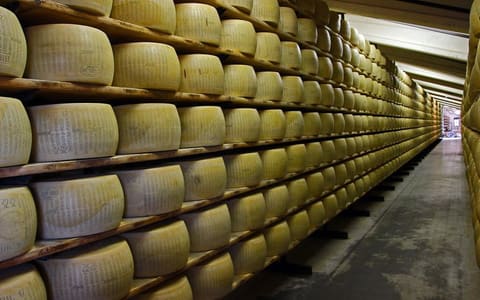
Parmesan is the hard, granular Italian cheese grated over pasta. Its Halal question is unusually clear-cut: the genuine article, Parmigiano Reggiano, is required by its own rules to use calf rennet, so the answer turns on what your school says about rennet.
Parmigiano Reggiano always uses calf rennet
The Parmigiano Reggiano specification says the milk is coagulated "exclusively by the use of calf rennet", and that the cheese matures for at least 12 months.[1] No microbial or vegetarian Parmigiano Reggiano exists under that name. Calf rennet is not pork, so the worry about pork does not apply. The question is whether the calf was slaughtered Islamically.
What the schools say
All schools accept rennet from an Islamically slaughtered animal and reject pork rennet. They differ over rennet from a lawful animal that was not slaughtered Islamically:
| View | Calf rennet from a non-Halal-slaughtered calf | Parmigiano Reggiano |
|---|---|---|
| Hanafi (Abu Hanifah) | Permissible | Permissible |
| Abu Yusuf and Muhammad | Not permissible | Avoid |
| Majority Maliki, Shafi'i, Hanbali | Impure; not eaten | Avoid unless the rennet is Halal-certified |
The Hanafi school gives its ruling on Abu Hanifah's view, even though his two leading students disagreed.[4] The majority of the other schools hold such rennet impure.[3] For the full argument, see rennet.
Halal-certified Parmigiano Reggiano
The rule says calf rennet, not which calf. Parmigiano Reggiano made with Halal-certified calf rennet is sold: one UK seller lists its ingredients as whole cow's milk, salt and "halal certified animal rennet".[5] Its page does not say which body certified it, so ask before you rely on it. That is the option that satisfies every school.
Parmesan outside Italy
Outside the protected name, "parmesan" is a type of cheese, and the rules are looser. The US standard lets parmesan be made with rennet "or other safe and suitable milk-clotting enzyme", cured for at least 10 months. It also allows an enzyme preparation "of animal or plant origin" to develop flavour.[2] So a US parmesan may use microbial rennet, which is Halal, or animal rennet and animal flavour enzymes, which bring back the same question. The label is the only guide: "microbial rennet", "vegetarian" or a Halal mark settle it; "animal rennet" or bare "enzymes" do not.
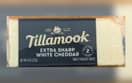
The same applies wherever parmesan is an ingredient, from pesto to Caesar dressing. For other cheeses, see cheese; for an American brand that states its rennet, see Tillamook.
Where you'll find it
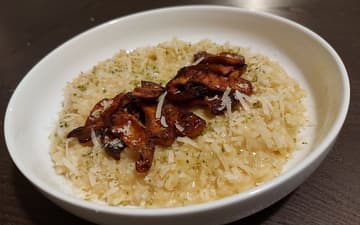
- Grated over pasta, risotto and soup
- Pesto, Caesar dressing and baked dishes
- Sold as wedges, grated in tubs and shaved
Frequently asked questions
Is Parmesan Halal?
Is Parmesan Halal in the Hanafi school?
Does Parmesan have pork in it?
Is there Halal Parmigiano Reggiano?
What is the difference between parmesan and Parmigiano Reggiano?
Sources
Named Islamic, certifier, manufacturer, and regulatory sources used on this page. Inline markers like [1] jump here. Retrieval dates show when we last checked the live URL. Editorial methodology.
Islamic / scriptural
-
IslamQA 2841 — Is animal rennet Halal?
IslamQA Retrieved
Rennet from an Islamically slaughtered animal is pure by agreement. The majority Maliki, Shafi'i and Hanbali view: rennet from an animal not slaughtered according to Shari'ah is impure and should not be eaten. The Hanafi view differs.
-
Askimam 965 — rennet from non-zabiha animals
Askimam, via IslamQA.org Retrieved
Imam Abu Hanifah permitted rennet from lawful animals not slaughtered Islamically; Imam Abu Yusuf and Imam Muhammad disagreed; the school's ruling follows Abu Hanifah. Porcine rennet is unlawful.
Manufacturer / product
-
Halal Parmesan Cheese - Parmigiano Reggiano DOP
Saffron Alley Retrieved
Retailer listing. Ingredients: 'whole cow's milk, salt, halal certified animal rennet'. 'Made in the traditional method with animal rennet… only this time it's 100% halal certified.' The page does not name the certifying body.
Regulatory / labelling
-
Parmigiano Reggiano PDO — production specification
Consorzio del Formaggio Parmigiano-Reggiano Retrieved
'Milk coagulation, obtained exclusively by the use of calf rennet, takes place in bell-shaped copper vats.' 'Maturation shall continue for at least 12 months, starting from the cheese moulding.'
-
21 CFR § 133.165 — Parmesan and reggiano cheese
US Food and Drug Administration (eCFR) Retrieved
Parmesan 'is cured for not less than 10 months'. 'Sufficient rennet, or other safe and suitable milk-clotting enzyme that produces equivalent curd formation, or both… is added.' 'A harmless preparation of enzymes of animal or plant origin capable of aiding in the curing or development of flavor of parmesan cheese may be added.'
Halal-conscious recipes
A substitution-led recipe that uses this analysis.
Browse this topic
Open the parent category hub for more foods in the same group.