

Topic hub
Halal French food (France)
French cooking is known for pork and wine, but much of it is easy to eat Halal once you know where those two appear. Pork charcuterie (jambon, saucisson, andouille), wine and cognac in sauces, animal rennet in many AOP cheeses, and butter-vs-lard pastry fat decide most rulings. Plain baguette and ratatouille are usually Halal; croissants and crêpes need fat and filling checks. France has Halal certifiers and Muslim neighbourhoods in Paris, Lyon, and Marseille—classic bistros and boulangeries need item-by-item verification.
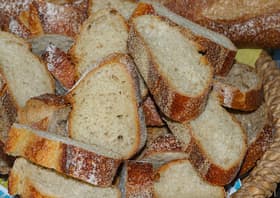
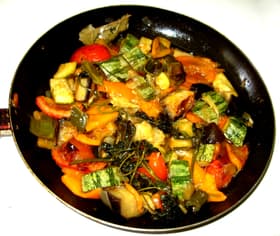
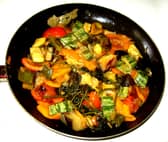
- Prefer plain baguette and ratatouille
- Ask boulangeries whether croissants use butter or margarine and whether any lard is in the dough
- Treat AOP hard cheeses as rennet-conditional
- Skip jambon, saucisson, and wine-based sauces
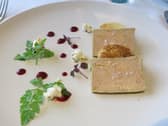
- Only eat foie gras or meat from confirmed Halal sources
- Check crêpe batters for rum or beer


Status overview
How foods in this topic break down by Halal ruling.
- Halal 2
- Halal if verified 3
- Scholarly difference 1
Foods in this topic
6 items All topics
- Baguette Halal
- Crêpes Halal if verified
- Croissants Halal if verified
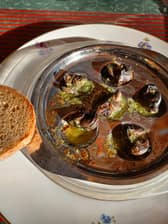
- Escargot Scholarly difference
- Foie Gras Halal if verified
- Ratatouille Halal


No foods match this filter.
Photo credits


Frequently asked questions
Is French food Halal?
Are croissants Halal?
Is French cheese Halal?
Is foie gras Halal?
Is wine in French cooking Halal?
Can Muslims eat French food while traveling in France?
Related topics
Explore connected ingredients, regions, and certification guidance.