

Topic hub
Belgian food (Belgium)
Waffles are usually Halal batter; toppings may include alcohol syrups or gelatin cream. Moules-frites are mussels—school-sensitive seafood—plus frites oil checks.
- Plain waffles are usually fine
- Check toppings
- For moules follow your shellfish school and ask about wine in the pot and fryer oil
Status overview
How foods in this topic break down by Halal ruling.
- Halal if verified 1
- Scholarly difference 2
Foods in this topic
3 items All topics
No foods match this filter.
Frequently asked questions
Is Belgian food Halal?
Two things decide most Belgian menus, and neither is obvious from the dish name: the frying fat and the cooking liquid. Belgian chips are classically fried in beef dripping, and beer is a cooking ingredient rather than only a drink. Waffles are Halal if verified; moules-frites sits on a scholarly difference over shellfish.
Are Belgian fries Halal?
This is the check most visitors miss. The traditional Belgian frying fat is blanc de bœuf — beef tallow — so the chips are only Halal if that tallow came from Islamic slaughter, or if the shop fries in vegetable oil. Many friteries now use vegetable oil and will say so; it is a fair question to ask at the counter.
Are Belgian waffles Halal?
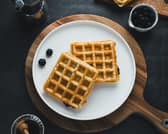
Halal if verified. A Liège or Brussels waffle is flour, egg, milk, butter, yeast and pearl sugar, with nothing outstanding. The checks are on what is added: gelatin in a marshmallow or mousse topping, alcohol in a flavouring extract, and whether the stand cooks anything else on the same iron.
Are moules-frites Halal?
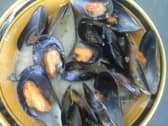
The mussels are a scholarly difference: the Shafi'i, Maliki and Hanbali positions permit sea creatures generally, while the Hanafi position restricts to fish, which excludes shellfish. Separately from that, restaurant mussels are usually steamed in white wine or beer, and the frites raise the beef-dripping question above.
Related topics
Explore connected ingredients, regions, and certification guidance.