

Topic hub
Dutch food (Netherlands)
Stroopwafels are usually Halal sweet wafers; bitterballen are typically beef/veal ragout croquettes that need Halal meat and fryer checks—and sometimes pork variants.
- Stroopwafels are usually fine
- Treat bitterballen as Halal if verified until the meat is confirmed Halal
Status overview
How foods in this topic break down by Halal ruling.
- Halal 1
- Halal if verified 1


Frequently asked questions
Is Dutch food Halal?
The sweet side is easy and the savoury snacks are not. Stroopwafels are Halal. Bitterballen are Halal if verified — they are a beef ragout, so the slaughter and the stock decide them. The general Dutch snack-bar pattern is that almost everything is deep-fried together, which makes the shared fryer a live question.
Are bitterballen Halal?
Halal if verified. The filling is a thick beef ragout — a roux made with butter, flour and a beef stock, with shredded beef through it — so the meat needs Islamic slaughter and the stock needs the same. Some recipes finish the ragout with a dash of wine or Worcestershire sauce, and the fryer is usually shared with pork croquettes.
Is stroopwafel Halal?
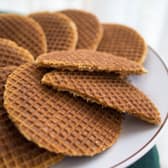
Yes. A stroopwafel is two thin waffle layers with a caramel syrup of sugar, butter and cinnamon between them — no gelatin, no alcohol, no meat-derived ingredient. Packaged brands may list an emulsifier such as soy lecithin, which is plant-derived.
Related topics
Explore connected ingredients, regions, and certification guidance.