
What decides the answer
-
Home-made, restaurant or tinned ratatouille
Halal -
Served with lamb, chicken or beef
check the meat -
Served with ham or pork
Haram side
Why this ruling
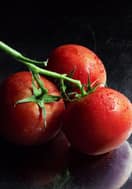
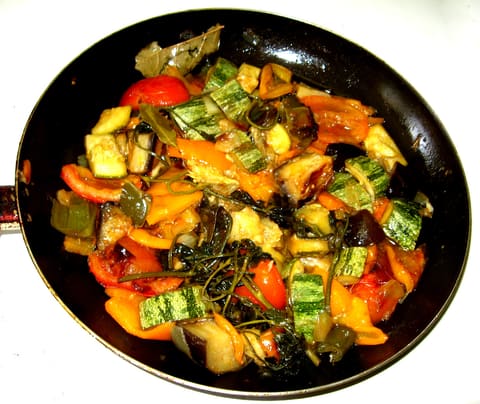
Ratatouille is the summer vegetable stew of Provence, and especially of Nice: aubergine, courgette, peppers, tomatoes, onion and garlic, each softened in olive oil, then simmered together with thyme, bay and basil until tender and rich. The name comes from the Occitan ratatolha, from a verb meaning to stir. It is eaten hot or cold, as a main dish with bread or rice, or as a side, and many cooks say it is better on the second day.[3][1]
Cooks in Nice still argue over method. The careful version fries each vegetable separately so it keeps its own texture, then combines them for a short simmer; the everyday version cooks them all in one pot. Either way, the ingredient list is the same.
What is in it
| Ingredient | Halal? |
|---|---|
| Aubergine, courgette, peppers, tomatoes | Yes |
| Onion, garlic | Yes |
| Olive oil | Yes |
| Thyme, bay, basil, herbes de Provence | Yes |
There is no meat, stock, dairy or alcohol in the traditional recipe, so ratatouille is Halal.[2] It is also naturally vegan, and a common vegetarian choice on French menus.
Tins, jars and restaurants
- Tinned, jarred and frozen ratatouille list vegetables, olive or sunflower oil, tomato and salt; they are straightforward. Frozen ready meals that pair it with rice, chicken or sausage need the meat checked, not the vegetables.
- Restaurant versions sometimes add a splash of wine to the tomatoes, or cook the onions in bacon fat for depth. The traditional dish does neither, but ask if the menu is unclear.
- The layered, sliced version made famous by an animated film is confit byaldi, the same vegetables arranged in thin rounds over a pepper sauce. Tian is a baked gratin of the same vegetables, sometimes topped with cheese.
Its cousins around the Mediterranean
| Dish | Where | What to check |
|---|---|---|
| Pisto | Spain (La Mancha) | Often topped with a fried egg; some add ham |
| Caponata | Sicily | Sweet and sour, with vinegar; usually plant-only |
| Lecsó | Hungary | Often cooked with bacon fat or sausage |
| Türlü | Türkiye | Often cooked with lamb or beef |
| Chakchouka | Tunisia | Eggs poached on top; see shakshuka |
What it is served with
Ratatouille is often a side for lamb, chicken, fish or eggs. The vegetables need no check; the meat beside them does. It is also eaten with rice, pasta or crusty bread.
For other French food, see crêpes and the France guide, and for the vegetable at its heart, tomato.
How to verify
- Aubergine, courgette, peppers, tomatoes, onion, garlic, olive oil and herbs are all Halal.
- Tinned ratatouille lists vegetables, oil and salt.
- It is often served beside lamb, fish or chicken; check the meat separately.
Quick checks
- Ratatouille is vegetables, olive oil and herbs: Halal.
- Ask whether a restaurant version has wine in it.
- Check what it is served with: roast meat, lamb or sausages need their own check.
Frequently asked questions
Is ratatouille Halal?
Does ratatouille contain wine?
Is tinned ratatouille Halal?
What is ratatouille served with?
Scholarly view
Vegetables, olive oil and herbs are Halal. Only a meat served beside it needs its own check.
Sources
Named Islamic, certifier, manufacturer, and regulatory sources used on this page. Inline markers like [1] jump here. Retrieval dates show when we last checked the live URL. Editorial methodology.
Islamic / scriptural
Context / background
-
Wikipedia Retrieved
Culinary identity: Provençal stew of summer vegetables cooked in olive oil, associated with Nice. Identity context, not a Halal certificate.
-