
How to verify
- Ask what fat is used in the dough and fryer (vegetable oil vs lard; shared pork items).
- Check glaze and filling for gelatin, marshmallow, bacon, or liquor.
- Prefer Halal-certified doughnut shops or plainly labelled supermarket packs.
- Homemade doughnuts with plant oil and simple sugar glaze give full control.
What decides the answer
-
Vegetable-oil fried doughnut with Halal glaze/filling
Halal -
Halal-certified doughnut shops
Halal -
Shared fryer with non-Halal meats — for many consumers
Halal if verified -
Lard shortening or pork-gelatin glaze: Haram / avoid
Why this ruling
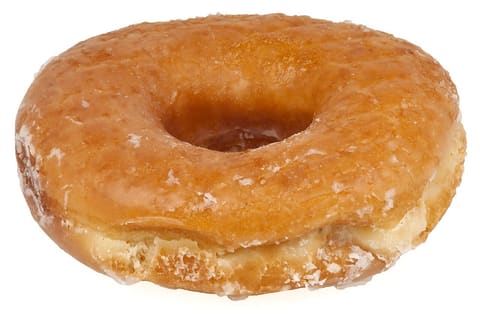
Doughnuts (also spelled donuts) are deep-fried sweet doughs—yeast-raised rings, cake-batter rings, filled shells, twists, and fritters—usually finished with sugar, glaze, icing, chocolate, or cream. Precursors include Dutch olykoeks; the modern ring spread through North American coffee culture and global franchise bakeries. The Halal question is never “is fried dough forbidden?”—it is which fat, glaze, and filling your shop or package uses.
What is usually fine
A basic dough of wheat flour, water or milk, sugar, yeast or chemical leaveners, eggs, and vegetable shortening or oil is Halal. A simple sugar glaze (sugar + water or milk) is Halal. Jam fillings made from fruit and sugar are typically Halal. Homemade doughnuts fried in canola, sunflower, or palm oil with a sugar glaze are among the easiest bakery treats to keep clearly permissible.
U.S. food-labelling rules require packaged foods to list ingredients so shoppers can spot fats and additives; the FDA’s overview is in Food Labelling & Nutrition (retrieved 16 August 2026). That transparency helps boxed doughnuts more than unlabeled café trays.
USDA identity: lard is rendered swine fat (NAL Thesaurus: lard, retrieved 16 August 2026). If dough or fryer fat is lard, the doughnut is Haram. That is identity—not a count of bakeries.
Failure modes to ask about (not a prevalence census)
How often shops use lard, pork gelatin or shared pork fryers is not published, so ask.
- Lard or animal shortening — Haram if used (USDA lard identity above). Ask; do not assume a share.
- Unpublished fryer practice — whether the vat also fries pork breakfast items is a shop question. Krispy Kreme UK and Australia publish Halal statements; most independents do not.
- Gelatin in glaze or marshmallow fillings — if gelatin is used, porcine gelatin is not permissible (IslamQA 219137, retrieved 16 August 2026).[3] Species is not proven by a generic doughnut.
- Alcohol flavourings — rum glaze or liquor-filled products are not plain doughnuts; read or ask.
- Emulsifiers — unnamed mono- and diglycerides stay Halal if verified.
Chains differ by operator, not by logo
Krispy Kreme UK’s help centre: products considered suitable for a Halal diet but not Halal certified (retrieved 16 August 2026).[4] Krispy Kreme Australia publishes Halal certification for core-range doughnuts and selected limited editions (retrieved 16 August 2026).[5] Those two pages do not describe a US shop’s fryer or glaze. See also Krispy Kreme.
Realistic verification
- Ask: vegetable oil only? Any lard in dough?
- Ask: does the fryer also cook pork products?
- Read glaze/filling for gelatin, marshmallow, rum, or whiskey.
- When answers are vague, buy Halal-certified or bake at home.
Where you'll find it
- Breakfast and coffee-shop snacks
- Yeast rings with glaze or icing
- Filled doughnuts (jam, custard, cream)
- Cake doughnuts and fritters
- Holiday and celebration assortments
Frequently asked questions
Are Krispy Kreme or Dunkin’ doughnuts Halal?
Is the hole-shaped ring more Halal than a filled doughnut?
Does frying in the same oil as bacon make doughnuts Haram?
Are supermarket boxed doughnuts safer?
Are yeast doughnuts different from cake doughnuts for Halal?
Scholarly view
Flour, water, sugar, yeast, and plant oil raise no issue. The fiqh problems are the same as other fried bakery goods: animal fat in dough or fryer, gelatin in toppings, alcohol in flavour systems, and cross-contact when the same oil fries non-Halal meat items.
A kosher mark can help on some packaged doughnuts but does not automatically equal Halal certification for slaughter-sensitive fats.
Sources
Named Islamic, certifier, manufacturer, and regulatory sources used on this page. Inline markers like [1] jump here. Retrieval dates show when we last checked the live URL. Editorial methodology.
Islamic / scriptural
-
IslamQA 219137 — pork-derived gelatin
IslamQA Retrieved
Pork-derived gelatin is not permissible. Applies if a glaze/filling uses porcine gelatin—not a doughnut-shop census.
Manufacturer / product
-
Krispy Kreme UK — Are your doughnuts Halal?
Krispy Kreme UK Retrieved
Operator: considered suitable for a Halal diet but not Halal certified.
-
Krispy Kreme Australia — Halal certification FAQ
Krispy Kreme Australia Retrieved
Operator: Halal certification for core range and selected limited editions—regional, not global.
Regulatory / labelling
-
Retrieved
Packaged doughnut ingredient lists—not a fryer-oil census for cafés.
-
USDA Retrieved
Lard is rendered swine fat. If a doughnut uses lard, it is Haram; this is identity, not shop prevalence.
People also check
Related ingredients and products for this item.
Browse this topic
Open the parent category hub for more foods in the same group.