Is Turkish delight Halal?
It depends on what the label says.
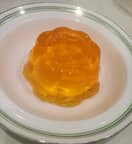
Turkish delight, lokum in Turkish, is a soft sweet made by cooking sugar and starch until it sets into a gel.
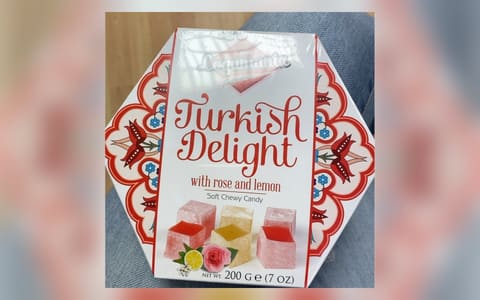
Photo: Open Food Facts contributors · CC BY-SA 3.0
How to verify
- Plain lokum: sugar, water, starch, acid, flavour, colour.
- Check there is no gelatine on the list.
- Chocolate-covered bars: look at the emulsifiers (E476 is one) and flavourings.
- Nuts are common; they raise no Halal question.
Quick checks
- Plain lokum: sugar, water, starch.
- No gelatine on the packs checked.
- Chocolate bars: read the emulsifiers.
What decides the answer
-
Plain lokum (sugar, water, starch, flavour, colour)
Halal on ingredients -
Any pack listing gelatine
check the gelatine's source before eating -
Chocolate-covered bars (e.g. Fry's)
no gelatine on the list checked; E476 to weigh
Why this ruling
Turkish delight, or lokum, is a soft, chewy sweet made by cooking sugar with starch until it sets, then cutting it into cubes dusted with sugar or starch. It comes in flavours such as rose and lemon, and is sold both plain and coated in chocolate.
Plain lokum
A Loqumania box of rose and lemon Turkish delight, made in Turkey, lists sugar, water, corn starch, citric acid, rose and lemon flavour and natural colours from black carrot and turmeric.[1] That is the whole recipe: the starch does the setting, and there is no gelatine. A sweet made like this is Halal on its ingredients.
Chocolate-covered bars
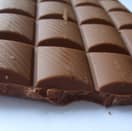
Fry's Turkish Delight, Cadbury's chocolate-covered bar, is more complex. Its New Zealand listing gives sugar, glucose syrup, water, milk solids, cocoa butter, gelling agents 1401 and 440 (modified starch and pectin), cocoa mass, acidity regulators, emulsifiers (soy lecithin and E476), a colour, flavours and cornstarch.[2] There is no gelatine here either. The emulsifier E476 is the one ingredient this site rates Halal if verified.
What to check
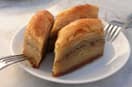
On any other brand, look for gelatine and for emulsifiers of unstated origin. If neither appears, Turkish delight raises no Halal question. For another sweet from the same kitchen tradition, see Baklava.
Where you'll find it
- Rose, lemon and pistachio lokum cubes dusted with sugar
- Chocolate-covered Turkish delight bars
- Served with Turkish coffee
Frequently asked questions
Is Turkish delight Halal?
Does Turkish delight contain gelatine?
Is Fry's Turkish Delight Halal?
Scholarly view
Sugar, starch, water and fruit acids raise no Halal question, so traditional lokum is Halal on its ingredients. The things that could change that are a gelatine set instead of a starch set, or additives of animal origin; neither appears on the packs checked here.
Fry's adds E476, an emulsifier made from polyglycerol and ricinoleic acid, which this site treats as Halal if verified.
Sources
Named Islamic, certifier, manufacturer, and regulatory sources used on this page. Inline markers like [1] jump here. Retrieval dates show when we last checked the live URL. Editorial methodology.
Manufacturer / product
-
Loqumania Turkish Delight with rose and lemon, 200 g (barcode 8697217038920)
Open Food Facts (ingredient list checked on the pack photo) Retrieved
Photo uploaded December 2021. Turkish Delight with rose and lemon flavour: sugar, water, corn starch, acidity regulator citric acid (E330), rose and lemon flavour, natural colours (black carrot, turmeric) (E163, E100). May contain traces of peanuts and tree nuts.
-
Cadbury Fry's Turkish Delight 50g
Bargain Chemist (retailer listing) Retrieved
Sugar, glucose syrup, water, milk solids, cocoa butter, gelling agents (1401, 440), cocoa mass, acidity regulators (575, 331), emulsifiers (soy lecithin, 476), colour (163), flavours, cornstarch. Allergens: milk, soy.
People also check
Related ingredients and products for this item.
Browse this topic
Open the parent category hub for more foods in the same group.