Verdict: Halal for classic Nutella on disclosed ingredients, with regional certification as a separate packing question.
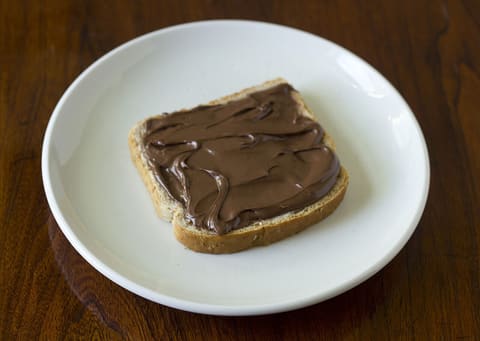
Nutella is Ferrero’s chocolate-hazelnut spread: a sweet, palm-oil-rich paste designed for bread, crepes, and desserts. Muslims ask about it constantly because it is ubiquitous, because online threads invent alcohol rumours, and because some jars carry Halal marks while others do not. Separating recipe from certification answers almost every version of the question.
The published classic recipe
Ferrero’s US spread FAQ lists seven ingredients worldwide: sugar, palm oil, hazelnuts, skim milk powder, fat-reduced cocoa, emulsifier lecithin (soya), and artificial vanillin.[3] That list does not include pork, gelatine, or beverage alcohol. Sugar, vegetable oil, nuts, milk powder, cocoa, and soy lecithin are standard Halal pantry items. Artificial vanillin is a synthetic flavour molecule—not a shot of liqueur and not the same thing as ethanol-based vanilla extract.
Palm oil debates (environment, labor) are ethical and sustainability topics; they are not a fiqh ruling that oil from palm fruit is Haram. Skim milk powder is dairy. People who avoid all industrial emulsifiers for personal reasons are making a caution choice, not correcting a hidden pork ingredient on Ferrero’s published list.
Certification is regional, not global
Third-party Halal certification is not printed on every jar worldwide. Current Ferrero regional pages confirm:
- Australia (Food Service): Halal certified; sourced from Alba (Italy) and Lithgow (Australia); NIHT.[4]
- Malaysia: All Ferrero products sold there are NIHT-certified (JAKIM-acknowledged).[5][7]
- Indonesia: Ferrero imports marked with BPJPH (assessed by LPPOM MUI).[6]
Jars in many other markets (including large parts of Europe and North America) may carry no local logo. That is a certification gap, not evidence that the published recipe is haram. Institutions, schools, and consumers who only buy certified products should follow the mark on the jar in their country—or choose a locally certified hazelnut spread—without claiming that unmarked classic Nutella contains pork.
Myths and edge products
“Nutella uses alcohol vanilla.” Official ingredient communications specify artificial vanillin. Do not confuse vanillin with vanilla liqueur.
“No logo means Haram.” No logo means unaudited packaging for that market. Recipe disclosure still stands.
B-ready, biscuits, ice cream, and limited flavours — wafer snacks and seasonal spreads can differ. Verify each product.
Homemade “Nutella” recipes — often Halal when using hazelnuts, cocoa, sugar, and oil; they are not Ferrero’s product.
Cross-contact with other Ferrero lines in factories is a certification-audit topic, not a reason to invent gelatin in the seven-ingredient jar. Allergy “may contain” statements are likewise not Halal species declarations.
Realistic verification
- Read your local jar: seven classic ingredients → Halal on recipe grounds.
- If your standard requires a mark, buy NIHT/BPJPH (or other recognized) stock where sold.
- Do not import a Malaysia logo as proof for a U.S. supermarket jar.
- Recheck limited editions and snack formats separately.
What Ferrero has said publicly
In September 2020, after an earlier reply caused confusion, Nutella USA posted that all Nutella sold worldwide is suitable for Halal consumption, that over 90% of the industrial plants producing it were already Halal certified by a third party, and that the remaining plants were being certified [8]. It is a company statement rather than a certificate on the jar, which is why the regional certifications above still matter for anyone who only buys certified products.