Are Empanadas Halal?
It depends on what the label says.
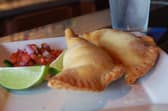
Empanadas are pastry turnovers from Spain and Latin America.

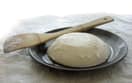
Photo: stu_spivack · CC BY-SA 2.0
How to verify
- Ask whether the dough is made with lard, beef fat, butter or oil.
- Ask the filling: ham, chorizo and pork are Haram; beef and chicken need Halal slaughter.
- Cheese, sweetcorn, spinach and tuna fillings avoid the meat question.
Quick checks
- Ask what fat the dough is made with: lard (manteca), beef fat, butter or oil.
- Ask the filling: beef, chicken, ham, chorizo, tuna, cheese or vegetable.
- Beef and chicken need Halal slaughter; cheese, corn and tuna are simpler.
What decides the answer
-
Butter or oil dough with cheese, vegetable or tuna filling
Halal -
Beef-fat dough or meat filling from Halal slaughter
Halal -
Unknown dough fat or meat
Halal if verified -
Dough made with lard, or ham, chorizo or pork filling
Haram
Why this ruling
An empanada is a half-moon of pastry folded around a filling, then baked or fried. It came to Latin America from Spain and every country has made it its own, so the dough, the fat and the filling change from one border to the next.[2] Two things decide whether one is Halal: the fat in the dough and the filling.[1]
The dough
Empanada dough is flour and fat, and the traditional fat is often animal:
- Lard (manteca de cerdo) in Spain, Chile and much of Latin America. It is pork fat and not Halal.[3]
- Beef fat (grasa vacuna) in Argentina, which needs Halal slaughter.
- Butter, margarine or oil in many modern and commercial recipes, which are fine.
- Corn dough in Colombia and Venezuela, fried, usually with no animal fat in the dough.
Ask which fat is used; frozen empanada discs and packaged empanadas list it on the label.
Regional styles
| Style | Typical filling |
|---|---|
| Argentina | Minced or chopped beef with onion, egg and olives; also chicken, ham and cheese, and sweetcorn (humita) |
| Chile | Pino: beef, onion, egg, olive and raisin, baked |
| Spain (Galicia) | A large sliced pie, often tuna or cod; also pork or chorizo |
| Colombia | Beef or pork with potato, in fried corn dough |
| Brazil (pastel) | Fried, with beef, chicken, cheese or palm heart |
Ham and cheese (jamón y queso) and chorizo fillings are pork. Beef and chicken need Halal slaughter; see chorizo.
The easiest orders
Cheese, sweetcorn, spinach and tuna empanadas avoid the meat question, as long as the dough uses butter or oil. Halal empanada shops sell beef and chicken versions in some large cities.
For other Latin American dishes with the same lard question, see tamales and tacos, and the Latin America guide.
Frequently asked questions
Are empanadas Halal?
Which empanadas are safest to order?
Are Argentine empanadas Halal?
Is Galician empanada Halal?
Scholarly view
Flour, butter, oil, cheese, vegetables and fish are Halal. Lard and pork fillings are Haram; beef fat, beef and chicken need Islamic slaughter.
Sources
Named Islamic, certifier, manufacturer, and regulatory sources used on this page. Inline markers like [1] jump here. Retrieval dates show when we last checked the live URL. Editorial methodology.
Islamic / scriptural
Context / background
-
Wikipedia Retrieved
Culinary identity: Baked or fried turnover of dough folded over meat, cheese, corn or other fillings. Identity context, not a Halal certificate.
-
Halal-conscious recipes
A substitution-led recipe that uses this analysis.
Browse this topic
Open the parent category hub for more foods in the same group.