
Is Red Bull Halal?
Yes — this one is Halal.
IslamicPortal (Maulana Yusuf Shabbir, 2020) rules Red Bull Energy Drink Halal because it is non-alcoholic and contains no animal products, relying on Red Bull's own statements.
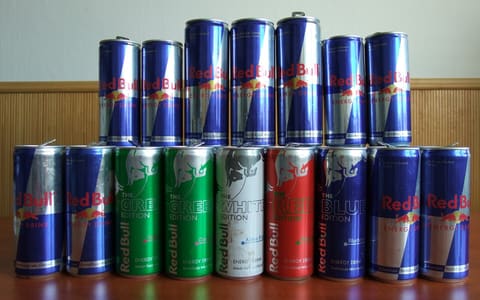
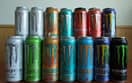
Photo: Oto Zapletal · CC BY-SA 4.0
What decides the answer
-
Classic Red Bull Energy Drink: ruled Halal by IslamicPortal; Red Bull says its taurine is synthetic
-
Flavoured or regional editions need their own label check
-
Ingredients can differ by country: read the can you buy
Where you'll find it
- Red Bull Energy Drink (original)
- Sugarfree and Zero variants
- The Editions flavour line
- Mixer in mocktails (and, to avoid, in bars with alcohol)
Why this ruling
Red Bull Energy Drink has a named ruling. IslamicPortal (Maulana Yusuf Shabbir, 2020) says: "Red Bull energy drink is Halal as it is non-alcoholic and does not contain any animal products."[1] That ruling relies on Red Bull's own statements, and the company still publishes the key one: the taurine in its products "is not derived from bulls or any other animals" and is "a purely synthetic substance produced by pharmaceutical companies".[3]
Taurine: the question everyone asks
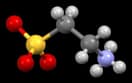
Taurine was first isolated from ox bile in 1827 and named for the bull (taurus). That fact grew into the legend that energy drinks contain bull bile or worse. For Red Bull, the company's answer is direct: synthetic, not from any animal.[3] AskImam, answering the same rumour, confirms Red Bull does not contain bull sperm or semen.[2] For other brands, see taurine: the source has to come from each maker.
Why the answer can still vary by country
AskImam declines to issue one ruling for every can in every country, because ingredients may differ by market, and advises asking a local Halal certifying body.[2] In practice: the classic drink is covered by the IslamicPortal ruling, and the can in your hand is worth one glance at its ingredient list, especially the flavoured Editions.
Editions, sugar-free lines, and mixing culture
Sugar-free and Zero lines use the same taurine. Fruit Editions deserve a quick colour and flavour scan like any soft drink; red colours in other brands sometimes come from carmine. In nightlife settings the question is the mixer: the can is Halal, the vodka-Red Bull is not.
AskImam also notes that energy drinks pose a health risk and advises consulting a doctor.[2] Permissibility is not a recommendation to overuse stimulants.
Compare energy drinks and Monster.
How to verify
- Classic Red Bull Energy Drink: ruled Halal by IslamicPortal, and Red Bull says its taurine is synthetic.
- Check flavoured Editions for extra ingredients such as colours.
- Ingredients can differ by country, so read the can you buy or look for a local Halal mark.
- Do not confuse the Halal can with vodka-Red Bull cocktails in bars.
Quick checks
- Red Bull says its taurine is synthetic, not from any animal.
- IslamicPortal rules the classic drink Halal: non-alcoholic, no animal products.
- Flavoured editions and other countries' cans need their own glance.
- Mixer context can turn a Halal can into a Haram drink.
Frequently asked questions
Is the taurine in Red Bull from bull semen or bile?
Is Red Bull halal?
Does Red Bull contain alcohol?
Is Red Bull haram for health reasons?
Scholarly view
Two named answers frame this page. IslamicPortal rules Red Bull Energy Drink Halal, relying on Red Bull's statements that it uses only non-animal ingredients and synthetic taurine. AskImam (Darul Iftaa, checked by Mufti Ebrahim Desai) confirms there is no bull sperm or semen in it but declines a standard ruling for every country, because ingredients can differ, and points to a local certifier. Watch the bar context too: the can is Halal, the vodka-Red Bull is not.
Sources
Named Islamic, certifier, manufacturer, and regulatory sources used on this page. Inline markers like [1] jump here. Retrieval dates show when we last checked the live URL. Editorial methodology.
Islamic / scriptural
-
IslamicPortal (via IslamQA.org) Retrieved
Maulana Yusuf Shabbir, 7 March 2020, approved by Mufti Shabbir Ahmad and Mufti Muhammad Tahir: "Red Bull energy drink is Halal as it is non-alcoholic and does not contain any animal products."
-
What is the halal status of Red Bull and V energy drinks?
AskImam (via IslamQA.org) Retrieved
Checked and approved by Mufti Ebrahim Desai. Says Red Bull does not contain bull sperm or semen, but declines a standard ruling because ingredients may differ by country, and advises consulting a local Halal certifying body.
Manufacturer / product
-
Is taurine made from bulls' testicles?
Red Bull Retrieved
Says the taurine in Red Bull products "is not derived from bulls or any other animals" and is "a purely synthetic substance produced by pharmaceutical companies".
People also check
Related ingredients and products for this item.


Browse this topic
Open the parent category hub for more foods in the same group.