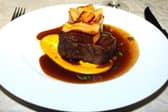

Is Crocodile Halal?
Scholars differ on this one.
Named fatwa bodies record a genuine disagreement: one view treats crocodiles like generally permissible water animals, while another prohibits them as fanged predators that also live on land.
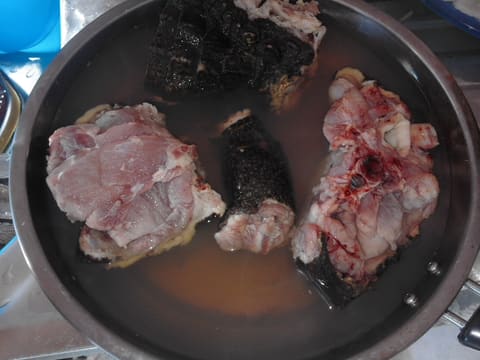
Photo: Max.kit · CC BY-SA 4.0
Scholarly differences
Egypt’s Dar Al-Ifta records both views: permissibility by analogy with water animals, and prohibition because crocodiles/alligators have fangs and prey on people. IslamWeb gives the prohibiting view because the animal is both fanged and able to live on land.
The species ruling is therefore a scholarly difference; slaughter is a separate condition only for readers who follow a permitting view.
What decides the answer
-
Death without valid cut / maytah-style harvest
avoid -
Species ruling — follow a trusted authority
Scholarly difference -
Even under a permitting fatwa: requires lawful slaughter of a living animal
-
Processed crocodile sausage: check mixed fats and casings
How to verify
- Know your school's position on reptiles and amphibious predators before buying.
- If your authority permits crocodile only with Islamic slaughter, require a documented Halal slaughter process—farming alone is not enough.
- Reject unlabeled tourist 'exotic meat' without species and slaughter clarity.
- Check sausages and mixed products for pork fat or non-Halal binders.
- When in doubt, choose clearly Halal livestock (beef, lamb, chicken) instead.
Quick checks
- Confirm your school's reptile/predator ruling before eating.
- Permitting view still needs slaughter of a living animal—not farm label alone.
- Do not treat crocodile as automatic 'seafood Halal.'
- Skip unlabeled exotic meats and mixed sausages when unsure.
Why this ruling
Crocodile meat is sold from farmed and, less often, managed wild populations of large crocodilians—commonly Nile, saltwater, or Siamese crocodile in commercial trade. The flesh is pale, lean, and often compared to chicken or firm fish. Tourist menus and speciality butchers market it as exotic protein. Islamic law does not give a single global slogan answer; the ruling turns on species category first and slaughter second.
Why the status is Scholarly difference
Two layers of analysis matter:
- Is the animal itself permissible? Egypt’s Dar Al-Ifta records one view that permits crocodile/alligator by analogy with generally lawful water animals and another that prohibits it because it is a fanged predator. IslamWeb presents the prohibiting view based on its fangs and ability to live on land. That is a genuine difference of legal opinion, not a product fact that a shopper can verify away.[2][3]
- If permitted, was this carcass lawfully slaughtered? Any meat-animal ruling still requires the animal to be alive at a valid cut (with tasmiyah per your school), blood drainage, and no carrion death. Food-safety farming standards—hygiene, cold chain, labelling—do not equal Islamic slaughter.
Qur'an 5:3 sets the baseline prohibitions on carrion, blood, swine, and unlawfully killed animals (quran.com/5/3, retrieved 20 July 2026). It does not name crocodile; jurists reason by category.
Species framing (not a seafood shortcut)
Crocodiles are reptiles, not bony fish. They have teeth adapted for predation and spend significant life on land. Arguments that 'everything from the sea is Halal' are about fish and sea life—not a free pass for every animal that can swim. Compare debates on amphibious or predatory creatures rather than copying a shrimp or tuna page.
Alligator and similar crocodilians are usually discussed together unless your local authority issues a distinct fatwa.
Slaughter framing if your school permits
Consumers who follow a permitting opinion should still ask:
- Was the animal alive at the slaughter cut?
- Was the cut to the required vessels with tasmiyah as your school requires?
- Was death caused by the cut, not by prior lethal stunning, trapping, or unattended kill?
- Is the product 100% crocodile, or mixed with pork fat, gelatin binders, or non-Halal casing?
Without answers, 'farm-raised crocodile' is an agriculture claim, not a Halal certificate.
Practical markets and verification
Wildlife and food-safety rules address conservation and hygiene, not the religious ruling. For Halal practice:
- Prefer clear scholarly guidance for your madhhab before seeking the meat.
- If you eat it, require documented Halal slaughter—not only a species name on a tourist plate.
- Treat sausages, jerky, and mixed 'exotic packs' as higher risk.
- When traveling, do not assume a restaurant special matches your home fatwa.
- If the debate itself is uncomfortable, choose undisputed Halal meats instead.
Where you'll find it
- Grilled or fried tail fillets
- Stews and curries
- Exotic sausages and jerky
- Tourist-restaurant specials
Frequently asked questions
Why isn't crocodile simply Haram like pork?
If my scholar allows crocodile, is farmed meat automatically Halal?
Is crocodile the same as fish for Halal?
What about alligator or caiman?
Where can I read the Qur'anic baseline for forbidden meat?
Sources
Named Islamic, certifier, manufacturer, and regulatory sources used on this page. Inline markers like [1] jump here. Retrieval dates show when we last checked the live URL. Editorial methodology.
Islamic / scriptural
-
Retrieved
General carrion and slaughter baseline; it does not settle the crocodile species dispute.
-
Egypt's Dar Al-Ifta — Is it permissible to eat alligator and crocodile?
Egypt's Dar Al-Ifta Retrieved
Directly records both a permitting opinion and a prohibiting opinion.
-
IslamWeb — Alligators and crocodiles are unlawful to eat
IslamWeb Retrieved
Prohibiting view based on fangs, predation and the animal living on land.
People also check
Related ingredients and products for this item.