How to verify
- Ask beef, pork, or mixed.
- Refuse pork or mixed-pork pots.
- Require Halal slaughter for beef or veal.
- Ask whether the fat is lard, dripping, or oil.
- Sour cream is dairy—usually acceptable; it does not certify the meat.
Quick checks
- Ask whether the stew is beef, veal, pork or mixed.
- Ask whether the onions were fried in lard (zsír), which is traditional in Hungarian cooking.
- For beef or veal, ask for Halal slaughter; paprika and sour cream are fine.
What decides the answer
-
Halal-slaughtered beef, vegetable oil or clarified Halal fat, no pork
Halal -
Unverified café or pub stew
Halal if verified -
Pork goulash or lard-fried base
Haram
Why this ruling
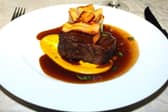
Goulash means different things in different places. In Hungary, gulyás is a brothy paprika soup of beef, onions, potatoes and small pinched dumplings (csipetke), first cooked by cattle herders over open fires. Across Germany, Austria and the Czech Republic, Gulasch is a thicker stew, closer to Hungary's pörkölt.[1] All of them build on slowly cooked onions and a lot of sweet paprika.
What decides it
| Part | Usually | Halal? |
|---|---|---|
| Meat | Beef or veal; sometimes pork or mixed | Pork, no; beef only from Halal slaughter |
| Cooking fat | Lard in traditional Hungarian cooking; oil elsewhere | Lard, no; oil, yes |
| Paprika, onion, caraway, tomato, peppers | Plant | Yes |
| Potatoes, dumplings, noodles | Plant and egg | Yes |
| Sour cream on top | Dairy | Yes |
| Wine or beer in some German and Czech recipes | Alcohol | No |
Pork goulash is common in Germany and Central Europe, and traditional Hungarian kitchens start the onions in lard (pork fat).[2] Some German and Austrian recipes add red wine, and some Czech ones beer. So even a beef goulash needs three questions: the meat, the fat and any alcohol.
Ordering it
In Central European restaurants, the beef is not from Halal slaughter unless the menu says so. Ask what fat the onions were cooked in and whether wine went into the pot. Turkish and other Muslim-run restaurants in Germany and Austria sometimes serve a Halal beef goulash; otherwise, a vegetable stew is the easier choice.
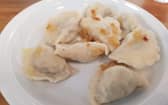
At home, Halal beef, onions cooked in oil, plenty of paprika and no wine give the real thing. For the region's food, see the Central Europe guide; for the dumplings of the next country north, pierogi.
Where you'll find it
- Hungarian home gulyás
- Central European restaurant stews
- Thicker pörkölt-style plates
Frequently asked questions
Is goulash Halal?
Is classic Hungarian goulash beef or pork?
Does sour cream make it Halal?
Is restaurant goulash the same as gulyás?
Scholarly view
Pork and lard are Haram. Beef and veal need Islamic slaughter. Paprika and sour cream do not certify the meat.
Sources
Named Islamic, certifier, manufacturer, and regulatory sources used on this page. Inline markers like [1] jump here. Retrieval dates show when we last checked the live URL. Editorial methodology.
Islamic / scriptural
Context / background
-
Goulash — Hungarian paprika stew
Wikipedia Retrieved
Culinary identity: Hungarian gulyás as a paprika meat stew, typically beef, with onion; related pörkölt and gulyásleves; pork and other meats appear in regional and restaurant pots. Identity context, not a Halal certificate.
Halal-conscious recipes
A substitution-led recipe that uses this analysis.
Browse this topic
Open the parent category hub for more foods in the same group.