
How to verify
- Require Islamic slaughter certification or a trusted Halal butcher; do not assume supermarket 'mutton' is zabiha.
- If the butcher uses 'mutton' loosely, confirm whether you are buying sheep or goat (both Halal species with the same slaughter test).
- In mixed kitchens, ask about shared knives, boards, and gravy bases.
- For packaged curry cuts, check for alcohol marinades and non-Halal stock powders.
Quick checks
- Species OK (sheep/goat) ≠ slaughter OK—verify zabiha/certification.
- Menu word 'mutton' is not a Halal certificate.
- Watch shared knives, grills, and non-Halal gravies in mixed kitchens.
What decides the answer
-
Sheep (and goat) meat: Halal species
-
Requires lawful Islamic slaughter (zabiha) or an accepted scholarly position on the meat source you use
-
Supermarket non-Halal mutton/lamb: do not assume permissibility
-
Restaurant mutton curries: verify meat source and shared kitchen practices
Why this ruling
Mutton is the culinary name for meat from an adult domestic sheep (Ovis aries), usually stronger and tougher than lamb from younger animals. In parts of South Asia and the Caribbean, market English sometimes uses "mutton" for goat as well. Either animal is a Halal species; neither is Halal on the plate until slaughter and handling rules are satisfied.
Species vs slaughter (the real split)
Islamic law does not debate whether sheep are permissible the way it debates crab or prawns. Sheep and goats are among the familiar Halal livestock. The conditions that matter are:
- Lawful slaughter — Muslim zabiha/dhabiha practice (tasmiya, cut of the required vessels, animal alive at the cut), or another position your scholar accepts (including narrower or wider views on Ahl al-Kitab meat).
- No swine contamination — shared slicers, pork-heavy delis, or lard-based gravies can spoil an otherwise Halal carcass.
- No dedication to other than Allah — classical prohibition categories sit beside the swine ban in verses such as Qur'an 2:173 (retrieved 20 July 2026).
A non-Halal supermarket leg labelled "mutton" is still sheep meat biologically; it is not automatically lawful for Muslims who require Islamic slaughter.
Lamb, hogget, mutton
- Lamb — young sheep; milder.
- Hogget — intermediate age term in some markets.
- Mutton — older sheep; preferred for long curries and braises.
Age changes cookery, not the species ruling. Buyers should still match the Halal certificate (or butcher trust) to the exact product.
Jurisdictions and markets
- Muslim-majority markets — domestic mutton is often produced under national Halal frameworks; still prefer identifiable cert marks for packaged exports.
- UK, US, EU supermarkets — sheep meat is widely available without Halal certification; Halal butchers and certified brands are the verification path.
- Restaurant curries — "mutton chaap" or "mutton biryani" describes the dish, not the slaughter method, unless the venue publishes Halal status.
For certification infrastructure examples, Malaysia's public Halal checks run through JAKIM's Portal Halal / MYeHALAL (myehalal.halal.gov.my, retrieved 20 July 2026)—useful when a packaged mutton product claims Malaysian Halal status.
Cooking notes that still matter
Slow wet cooking suits mutton's connective tissue. Halal risk in the pot is usually stock cubes, wine marinades, or shared tandoor space with non-Halal meats, not the word mutton itself.
Practical ruling
Halal animal, conditional Halal meat. Seek zabiha or recognized certification; do not equate species permissibility with every shop's sheep meat.
Butcher and label vocabulary
Ask clear questions at the counter:
- Is this sheep or goat?
- Is it Halal-slaughtered, and by which standard or certifier?
- Was it prepared on boards or slicers that also cut pork?
- For minced mutton: is anything else mixed in (beef trim, fillers, seasonings with wine)?
Packaged "mutton curry cut" from export plants sometimes carries a Halal mark from the producing country. When the mark names JAKIM, MUI/BPJPH, or another recognized body, verify that mark the same way you would for any imported meat—not by assuming every frozen sheep box is fine. When there is no mark, treat the box like any other non-Halal supermarket red meat.
Goat called mutton in South Asian butchers is still a Halal species with the same slaughter test. The naming quirk only matters so you know what you are cooking and whether a recipe expecting strong sheep flavour will taste different with goat.
Where you'll find it
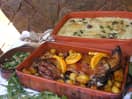
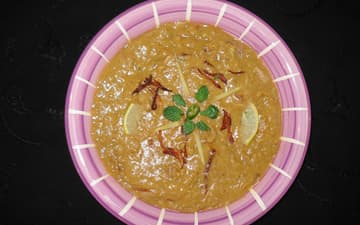
- Slow-cooked curries and stews
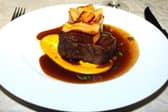
- Roasts and braises
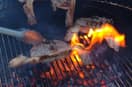
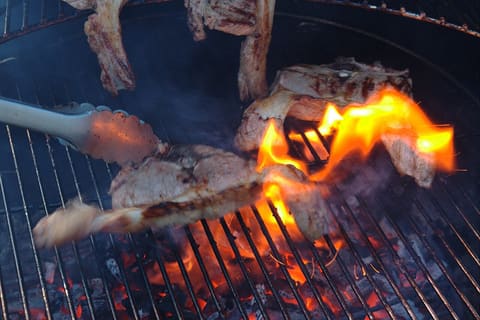
- Grilled chops and kebabs
- Biryani and pilaf
- Minced mutton for kebabs or keema
Frequently asked questions
Is mutton different from lamb for Halal?
In some countries 'mutton' means goat—does that change anything?
Is all restaurant mutton curry Halal?
Does stunning make mutton Haram?
Where is the Qur'anic baseline for forbidden meat?
Are mutton gelatin or mutton fat automatically Halal?
Scholarly view
Unlike shellfish debates, there is no classical dispute that sheep are a Halal species. The live question is slaughter and contamination. Qur'an 5:3 and related verses set out prohibited categories (carrion, blood, swine, animals dedicated to other than Allah) and the requirement of lawful slaughter practice in Muslim life.
Commercial stunning regimes, machine slaughter, and unlabeled 'lamb/mutton' in non-Halal shops are where modern consumers must verify—not whether sheep meat is inherently forbidden.
Sources
Named Islamic, certifier, manufacturer, and regulatory sources used on this page. Inline markers like [1] jump here. Retrieval dates show when we last checked the live URL. Editorial methodology.
Islamic / scriptural
-
Retrieved
Certifier / jurisdiction
-
Retrieved