
How to verify
- Confirm your school accepts horse meat (majority Halal; some discourage).
- If you eat it, require Islamic slaughter or an accepted meat-source standard—do not assume European supermarket chevaline is zabiha.
- Ask about stunning and living status at the cut.
- For sausages and cured horse products, check mixed meats, pork fat, wine, and casings.
- In countries where horse meat is uncommon, verify species labelling to avoid misidentified products.
What decides the answer
-
Majority view: horse is a Halal species
-
Minority view: makrooh (discouraged)—follow your school
-
Still requires lawful slaughter / accepted meat-source rules
-
Processed horse products: check mixed species and pork additives
Why this ruling
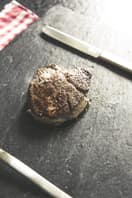
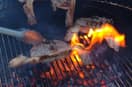
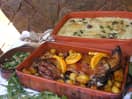
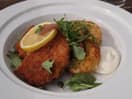
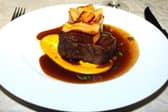
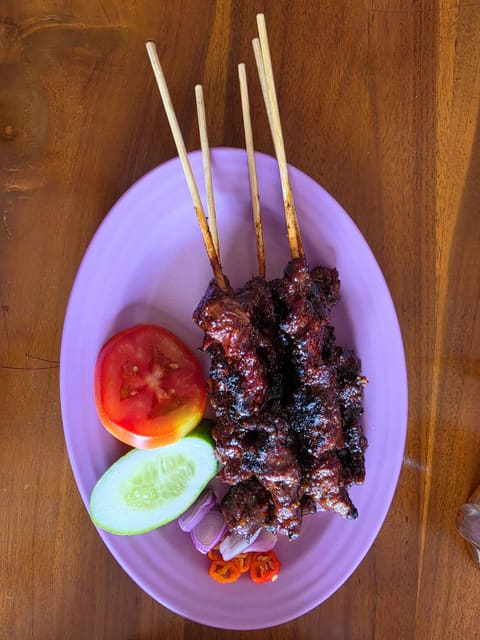
Horse meat (sometimes called chevaline) is the culinary flesh of the domestic horse (Equus caballus). It appears in parts of Europe, Central Asia, Japan, and other markets as steaks, stews, sausages, and cured products. Texture and sweetness vary with age and cut. For Muslims the first question is the species ruling; the second is slaughter—exactly the framing used for beef or goat, with an added classical nuance that some scholars discouraged horse without forbidding it.
Species ruling: majority Halal, some makrooh
The dominant position in Islamic jurisprudence treats horse meat as permissible, because of sound hadith: on the day of Khaybar the Prophet forbade domestic donkey flesh and allowed horse flesh (Sahih al-Bukhari 5520; IslamQA 70320, retrieved 15 August 2026). A minority strand—famously associated with Abu Hanifah—treats eating horse as makrooh (discouraged)—a piety or preference issue rather than a hard ban on that fatwa’s reading. This page's status follows the majority Halal species ruling while noting the makrooh minority in conditions and FAQ.
Cultural discomfort in communities that rarely eat horse is real, but culture is not a substitute for fiqh. Conversely, European culinary normalcy does not prove zabiha.
Slaughter still decides the plate
Even under a Halal-species view:
- The animal should be alive at a valid throat cut with required vessels severed.
- Tasmiyah practice follows your school and certifier standard.
- Death by unlawful means (strangling, lethal blow without cut, carrion) makes the meat forbidden as maytah.
- Qur'an 5:3 frames those unlawful-kill categories (quran.com/5/3, retrieved 20 July 2026).
National meat inspection confirms hygiene, not religion. U.S. FSIS materials explain federal meat inspection for food safety (fsis.usda.gov, retrieved 20 July 2026). Halal confidence still needs an Islamic audit trail—JAKIM's public portal is one regional example of certification lookup (MYeHALAL, retrieved 20 July 2026).
Horse vs donkey
Do not transfer this page onto donkey or mule meat. Domestic donkey is a separate classical discussion and is treated as forbidden in the same Khaybar reports and in IslamQA 85534 (retrieved 15 August 2026). Labels that say only 'equine' without species clarity deserve a pause.
Processed chevaline risks
Sausages, salami-style products, and mixed minced meats may combine horse with pork fat, non-Halal beef, wine, or unclear casings. Steak-from-a-trusted-Halal-butcher is a cleaner case than anonymous deli slices. Raw preparations popular in some European cuisines add no Halal magic—species and slaughter still govern.
Realistic verification
- Decide whether you follow the majority Halal view or a makrooh-avoidance practice.
- If eating horse, buy from a Halal-certified or personally trusted slaughter source.
- Ask about stunning policy when that matters to you.
- Read processed labels for mixed species.
- When horse meat is rare in your country, verify the species claim itself.
Where you'll find it
- Steaks and carpaccio-style dishes
- Stews and braises
- Sausages and cured meats
- Processed meat blends in some markets
Frequently asked questions
Is horse meat Halal or Haram?
If horse is Halal, can I eat any horse steak?
Why do some Muslims avoid horse meat?
Is horse meat the same as donkey meat?
Where is the Qur'anic baseline for meat prohibitions?
Scholarly view
Classical discussion distinguishes horses from swine and from predatory beasts with fangs. The majority position permitting horse flesh is set out in IslamQA 70320 (Jabir: concession for horses at Khaybar; donkey flesh forbidden—Bukhari 5520 / Muslim 1941).
A minority, including a well-known Hanafi strand, treats it as makrooh. Domestic donkey is a different ruling (IslamQA 85534). Modern consumers should separate that species debate from industrial slaughter.
Sources
Named Islamic, certifier, manufacturer, and regulatory sources used on this page. Inline markers like [1] jump here. Retrieval dates show when we last checked the live URL. Editorial methodology.
Islamic / scriptural
-
-
IslamQA 70320 — is horse meat Halal?
IslamQA Retrieved
Majority: permissible (Jabir at Khaybar; Asma slaughtered a horse). Minority including Abu Hanifah: makrooh. Weak contrary hadith discussed.
-
IslamQA Retrieved
Domestic donkey haram; wild onager a different ruling. Do not copy the horse page onto donkey.
-
Sahih al-Bukhari 5520 — horse permitted, domestic donkey forbidden
Sahih al-Bukhari (sunnah.com) Retrieved
Jabir: on the day of Khaybar the Prophet forbade domestic donkey flesh and allowed horse flesh.
Certifier / jurisdiction
-
Retrieved
Directory when a Malaysian Halal mark is claimed on packed meat—not proof of the species ruling.