Is Sahlab Halal?
It depends on what the label says.
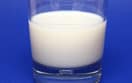
Sahlab (Turkish salep) is a hot milk drink thickened with orchid-tuber flour or, more often today, starch substitutes.
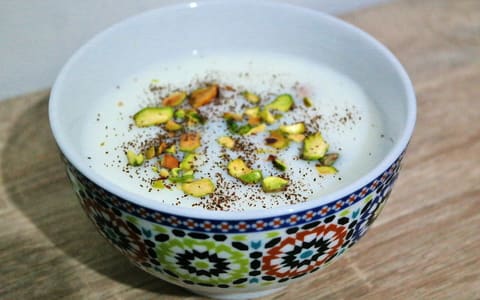
Photo: Maor X · CC BY-SA 4.0
How to verify
- Homemade milk + sugar + plant starch or true salep powder + cinnamon → Halal.
- Read café / retail powder labels for gelatin, animal thickeners, and alcohol-based flavours.
- Prefer mixes that list cornstarch, rice flour, or salep with no animal additives.
- Dairy base is fine from Halal livestock; flavoured toppings still need a separate check.
Quick checks
- Plain milk, sugar and salep or starch are Halal.
- For café powders and instant mixes, read the label for gelatin and flavourings.
- Toppings are usually cinnamon, coconut and nuts, which are fine.
What decides the answer
-
Milk + plant starch or salep + sugar (clear ingredients)
Halal -
Café / retail powder with clear plant thickeners and no haram additives
Halal -
Unverified café mix or opaque “thickener / flavour”
Halal if verified -
Pork gelatin or other haram animal thickener
Haram
Why this ruling
Sahlab – salep in Turkish – is a thick, sweet, hot milk drink, dusted with cinnamon and often topped with crushed pistachios, coconut or raisins. It is a winter favourite from Istanbul to Cairo, Amman and Damascus, sold from street carts and cafés.[1]
Real salep and today's powders
True salep is thickened with flour ground from the dried tubers of wild orchids. Because wild orchids are protected, real salep is scarce and expensive, and Turkey restricts its export. Most sahlab outside Turkey, and much of it inside, is made instead with:
- cornflour or rice flour, which thicken the milk the same way; see cornstarch,
- instant sahlab powder, a mix of milk powder, sugar, starch and flavouring.
What decides it
| Part | Halal? |
|---|---|
| Milk, sugar, orchid flour or starch | Yes; milk from permissible animals is pure[2] |
| Cinnamon, pistachios, coconut, raisins | Yes |
| Rose water or orange-blossom water | Yes |
| Flavourings in instant powders | Usually fine; check for alcohol-carried flavourings |
| Gelatin as a thickener | Depends on its source; pork gelatin is not Halal[3] |
A cup made at home or in a café from milk, sugar and starch or salep is Halal. The page stays at "if verified" for the instant powders and café mixes, whose thickeners and flavourings are not always named. Read the label for gelatin and for the flavouring, or look for a Halal mark; see gelatin.
Winter drinks in Turkey
Sahlab is often sold alongside boza, a thick fermented millet drink. Boza is a different product, and its light fermentation is a separate question from sahlab, which is not fermented.
For the milk itself, see milk.
Where you'll find it
- Winter street and café drink in Türkiye, Egypt, and the Levant
- Instant powders mixed with hot milk at home
Frequently asked questions
Is sahlab Halal?
Is salep powder itself Halal?
Can gelatin appear in sahlab?
Is the milk a problem?
Scholarly view
Milk of Halal livestock is Halal; thickeners and flavour systems decide packaged and café cups.
Sources
Named Islamic, certifier, manufacturer, and regulatory sources used on this page. Inline markers like [1] jump here. Retrieval dates show when we last checked the live URL. Editorial methodology.
Islamic / scriptural
-
Qur'an 16:66 (pure milk from cattle)
Qur'an Retrieved
Dairy milk permissibility frame for the drink base.
-
Context / background
-
The unique Turkish flavours that warm up İstanbul winters: Salep and Boza
GoTürkiye Retrieved
Official Türkiye tourism branding article: salep as Anatolian orchid-root powder cooked with milk and sugar, served hot with cinnamon.
Browse this topic
Open the parent category hub for more foods in the same group.