

Topic hub
Cypriot food (Cyprus)
Cyprus meze culture mixes grilling, halloumi, Easter cheese breads, and honey sweets. Halloumi is rennet-conditional; sheftalia is traditionally pork and Haram; souvlaki and kleftiko need Halal slaughter; loukoumades are fryer- and syrup-conditional. Both Greek- and Turkish-Cypriot kitchens exist—ask the specific outlet.
- Treat sheftalia as pork unless proven otherwise
- Verify halloumi rennet
- Order chicken/lamb souvlaki only from Halal butchers or Muslim restaurants
- Ask about shared grills with pork
- Prefer vegetable meze and loukoumades with confirmed vegetable frying fat

Status overview
How foods in this topic break down by Halal ruling.
- Haram 1
- Halal if verified 5
Foods in this topic
6 items All topics
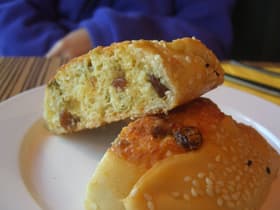
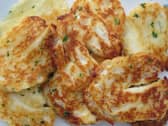
- Flaounes Halal if verified
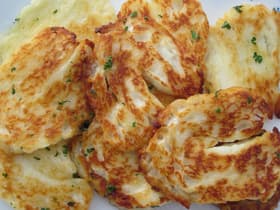
- Halloumi Halal if verified
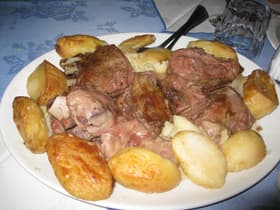
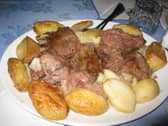
- Kleftiko Halal if verified
- Loukoumades Halal if verified
- Sheftalia Haram
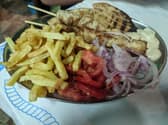
- Souvlaki Halal if verified


No foods match this filter.
Photo credits


Frequently asked questions
Is Cypriot food Halal?
It splits by dish and by side of the island. Halloumi and flaounes depend on the rennet in the cheese, kleftiko and souvlaki depend on the meat, and sheftalia is Haram because it is pork wrapped in caul fat in the south. In the Turkish Cypriot north, the lamb şeftali kebabı replaces the pork sausage; ask about slaughter there too.
Is halloumi Halal?
Halal if verified. Halloumi is sheep's and goat's milk cheese, often with cow's milk, set with rennet and folded with mint. Many export brands use microbial rennet and say so; with animal rennet from an animal not slaughtered Islamically, scholars differ.
Is sheftalia Halal?
No. Sheftalia is minced pork wrapped in caul fat and grilled over charcoal, so it is Haram. At a Cypriot grill, order chicken or lamb from a Halal source instead, or in the north ask for şeftali kebabı made with lamb.
Related topics
Explore connected ingredients, regions, and certification guidance.