

Topic hub
Greek food (Greece)
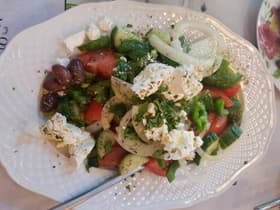
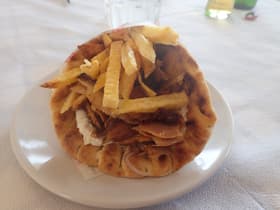
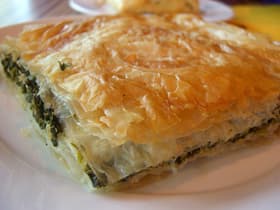
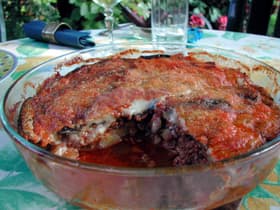
Greek tavernas mix olive-oil vegetables, phyllo pies, and spit meats. Salad and tzatziki are usually easy; spanakopita needs cheese/fat checks; gyro and moussaka need Halal meat.
- Start with Greek salad and vegetable meze
- Ask about rennet in feta
- Order gyro/moussaka only from Halal kitchens
Status overview
How foods in this topic break down by Halal ruling.
- Halal 2
- Haram 1
- Halal if verified 11
Foods in this topic
14 items All topics
- Antikristo Halal if verified
- Bougatsa Halal if verified
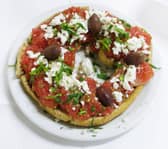
- Dakos Halal
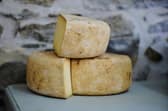
- Graviera Halal if verified
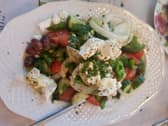
- Greek Salad Halal
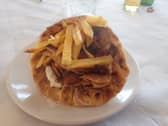
- Gyro Halal if verified
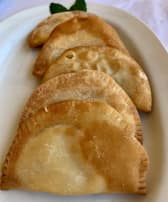
- Kalitsounia Halal if verified
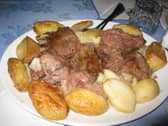
- Kleftiko Halal if verified
- Loukoumades Halal if verified
- Moussaka Halal if verified
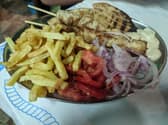
- Souvlaki Halal if verified
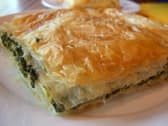
- Spanakopita Halal if verified
- Tsikoudia Haram
- Tzatziki Halal if verified





No foods match this filter.


Frequently asked questions
Is Greek food Halal?
Much of it is easy. Greek salad and dakos are Halal, and the vegetable meze, bean dishes and olive-oil stews usually are too. Gyro, souvlaki and moussaka are Halal if verified: the meat has to be Halal, and in Greece gyro and souvlaki are very often pork. Cheese pies depend on the rennet in the cheese.
Is gyro in Greece pork?
Often, yes. In Greece the default gyro and souvlaki meat is pork, with chicken as the usual alternative, and neither is Halal-slaughtered unless the shop says so. Halal gyro exists in Muslim-run shops in Athens and Thessaloniki and in the Greek diaspora; ask which meat is on the spit and where it came from.
Is feta Halal?
Feta is sheep's milk cheese, sometimes with goat's milk, set with rennet. With microbial rennet, or rennet from a Halal-slaughtered animal, it is Halal; with animal rennet from an animal not slaughtered Islamically, scholars differ. Many brands state microbial rennet on the pack.
What about ouzo and tsikoudia?
Both are spirits, ouzo flavoured with anise and tsikoudia distilled from grape pomace, and both are Haram. Tavernas often bring a small glass of tsikoudia or rakomelo at the end of a meal; declining it is normal.
Related topics
Explore connected ingredients, regions, and certification guidance.