
What decides the answer
-
Dakos with tomato and olive oil, no cheese
Halal -
With cheese made with microbial rennet
Halal -
With cheese made with animal rennet from an animal not slaughtered Islamically
Scholarly difference
Where you'll find it
- Cretan tavernas and home kitchens
Why this ruling
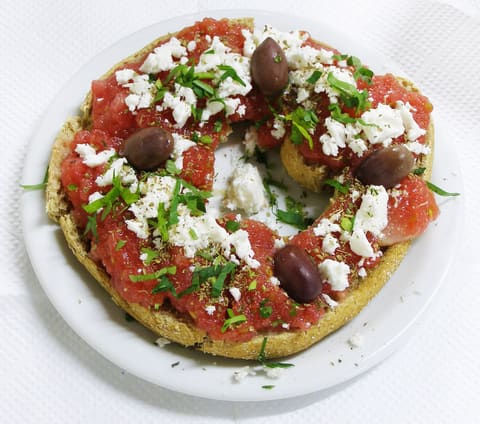
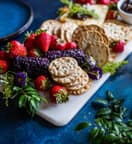
Dakos is the classic Cretan meze: a round barley rusk, softened with a splash of water and olive oil, piled with grated ripe tomato and crumbled white cheese, then finished with oregano, olives, sometimes capers, and more olive oil.[4] In eastern Crete it is also called koukouvagia, "owl". The rusks, paximadia, are barley bread baked twice until hard, so they keep for months; they were once the bread of shepherds and farm workers, and every Cretan bakery still sells them.
What decides it
| Part | Usually | Halal? |
|---|---|---|
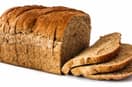
| Barley rusk | Barley flour, water, salt, yeast, sometimes olive oil | Yes |
| Tomato, olive oil, oregano, olives, capers | Plant | Yes |
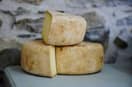
| Mizithra | Soft cheese made from sheep's or goat's whey | Depends on the rennet |
| Feta, used in place of mizithra | Brined sheep's and goat's milk cheese | Depends on the rennet |
Everything but the cheese is plant food and Halal. The cheese depends on its rennet, the enzyme that sets the milk. Microbial rennet, or rennet from an animal slaughtered Islamically, is Halal. Pork rennet is not. Rennet from a lamb, kid or calf not slaughtered Islamically is a point of scholarly difference: Hanafi scholars at SeekersGuidance treat non-pork animal rennet as generally permissible,[2] and Askimam sets out the conditions,[3] while other scholars do not accept it.
Small Cretan cheesemakers often use traditional animal rennet from lambs or kids; larger dairies may use microbial rennet, and the label says which. Fresh mizithra is made by reheating the whey left from making other cheeses, so its rennet question is the rennet of that first cheese.
Ordering it
Tavernas across Crete serve dakos as a starter, and many will make it without cheese on request; with ripe tomato, good oil and oregano, it is still the whole dish. If you want the cheese, ask whether the maker uses animal or microbial rennet, or choose a packaged feta whose label says microbial or vegetarian rennet.
Packets of barley rusks are sold in Greek shops abroad; they are flour, water, salt and yeast, and Halal. For other Cretan food, see graviera, kalitsounia and the Crete guide; for rennet in general, cheese.
How to verify
- The barley rusk, tomato, olive oil, oregano, olives and capers are Halal.
- Ask whether the mizithra or feta is made with animal or microbial rennet.
- Order it without cheese if the answer is unclear.
Quick checks
- Cheese: animal or microbial rennet?
- Ask for it without cheese if unsure
Frequently asked questions
Is dakos Halal?
What is mizithra?
Can I order dakos without cheese?
Scholarly view
The rusk and vegetables are Halal. Cheese rennet: microbial or from a Halal-slaughtered animal is Halal, pork rennet is not, and rennet from an animal not slaughtered Islamically is a point of scholarly difference.
Sources
Named Islamic, certifier, manufacturer, and regulatory sources used on this page. Inline markers like [1] jump here. Retrieval dates show when we last checked the live URL. Editorial methodology.
Islamic / scriptural
-
-
SeekersGuidance — is rennet in cheese Halal?
SeekersGuidance Retrieved
Hanafi: non-porcine animal rennet generally permissible; other schools differ. Applies to mizithra/feta on dakos.
-
Askimam 965 — rennet from non-zabiha vs porcine sources
Askimam Retrieved
Named Hanafi discussion of slaughter vs porcine enzymes.
Context / background
Browse this topic
Open the parent category hub for more foods in the same group.