

Topic hub
Cretan food (Crete)
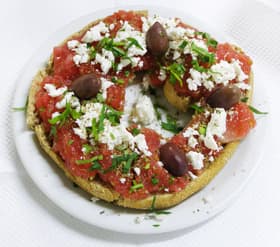
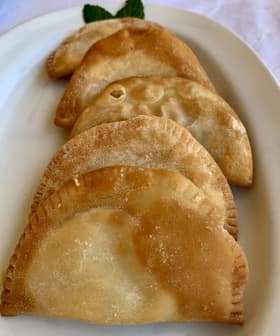
Cretan cooking leans on olive oil, barley rusks, wild greens, sheep/goat cheeses, and slow-cooked or spit meats. Dakos is usually the simplest Halal plate; cheese pies need rennet checks; antikristo and other meats need Halal slaughter; tsikoudia (raki) is intoxicating and Haram.
- Start with dakos and vegetable meze
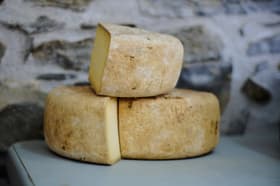
- Ask about animal rennet in graviera and kalitsounia
- Only eat spit or oven meats from Halal-sourced kitchens
- Refuse tsikoudia and dishes flambéed or soaked in grape spirit
Status overview
How foods in this topic break down by Halal ruling.
- Halal 1
- Haram 1
- Halal if verified 4
Foods in this topic
6 items All topics
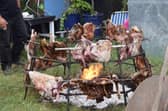
- Antikristo Halal if verified
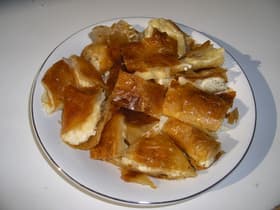
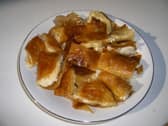
- Bougatsa Halal if verified
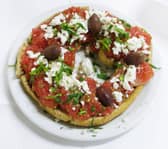
- Dakos Halal
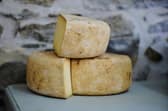
- Graviera Halal if verified
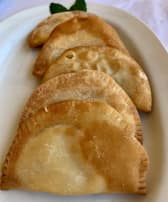
- Kalitsounia Halal if verified
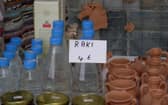
- Tsikoudia Haram
No foods match this filter.
Photo credits

Frequently asked questions
Is Cretan food Halal?
The everyday side is: dakos, wild greens, bean dishes and olive oil are Halal. Cheese pies such as kalitsounia and bougatsa, and cheeses like graviera, depend on their rennet. Antikristo and other grilled meats are Halal if verified, because local meat is not Halal-slaughtered unless a kitchen arranges it. Tsikoudia is a spirit and Haram.
Is antikristo Halal?
Halal if verified. Antikristo is lamb or goat roasted beside an open fire with nothing but salt, so the only question is slaughter. In Crete that means asking the taverna where the meat came from; at home, Halal lamb gives the same dish.
Do Cretan pies contain alcohol?
Some do. A few family recipes for kalitsounia add a splash of tsikoudia to the dough for crispness. Ask at the bakery, or choose a shop that makes them without it. The cheese inside also depends on its rennet.
Related topics
Explore connected ingredients, regions, and certification guidance.