

Topic hub
Halal Maltese food (Malta)
Malta's everyday food comes out of the bakery, and that is where most Halal questions sit. Street pastries and bakery classics share Sicilian and Mediterranean roots where lard in dough, pork in Maltese sausage, animal rennet in ricotta fillings, wine in festive recipes, and shared fryers decide most rulings. Malta has no single state Halal authority; specialist Halal butchers and fish dishes are often the clearest options. A secondary report once listed Halal Monitoring Malta certification for 30+ named Busy Bee Manufacturing products (Feb 2025–Feb 2026)—treat that as historical product evidence only unless a current certificate is shown. For a small, evidence-checked list of restaurants and grocers, see the Malta restaurant directory.
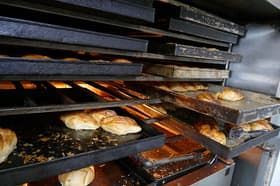
- Ask bakers whether dough uses lard or vegetable fat
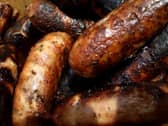
- Treat traditional Maltese sausage as pork unless proven otherwise
- Do not assume Busy Bee is Halal by brand alone
- Prefer Halal butchers for meat fillings in pastizzi and timpana
- Treat imqaret and fried sweets as fryer-conditional
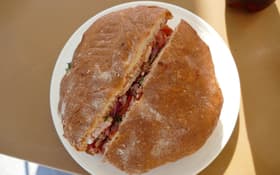
- Lean on fresh lampuki or plain ftira when you want the simplest island meal
Status overview
How foods in this topic break down by Halal ruling.
- Halal 1
- Haram 1
- Halal if verified 6
Foods in this topic
8 items All topics
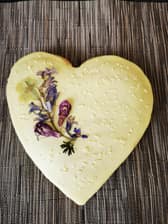
- Figolla Halal if verified
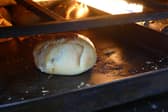
- Ftira Halal
- Imqaret Halal if verified
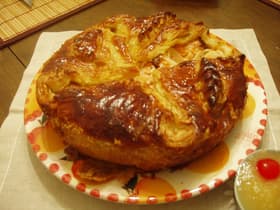
- Lampuki Pie Halal if verified
- Maltese Sausage Haram
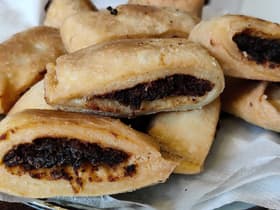
- Pastizzi Halal if verified
- Qassatat Halal if verified
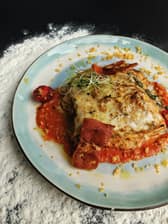
- Timpana Halal if verified
No foods match this filter.
Photo credits


Frequently asked questions
Is Maltese food Halal?
Is pastizzi Halal?
Is Maltese sausage Halal?
Is ftira Halal?
Is lampuki pie Halal?
Can Muslims eat in Malta?
Related topics
Explore connected ingredients, regions, and certification guidance.