Is Brandy Halal?
No — this one is Haram.
Brandy is Haram—a spirit distilled from wine or fruit ferment (35-60% alcohol), it is khamr.
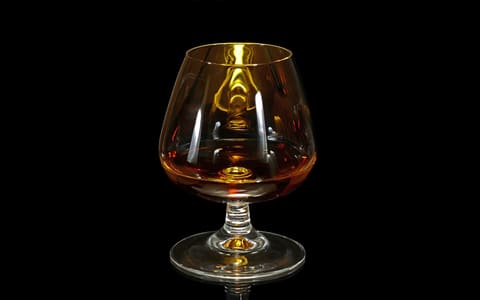
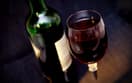
Photo: Didier Descouens · CC BY-SA 3.0
Why it is Haram
Brandy is distilled wine - khamr twice over, as it were. The ruling covers culinary use: brandy-soaked fruitcakes retain their alcohol by design (the soak is the preservation), flambeing burns off only part, and brandy butter is raw alcohol in fat.
None of these pass any school's standard. Alcohol-free 'brandy flavouring' (synthetic) in trace amounts is a different substance and assessed like other flavourings.
Quranic guidance
-
Surah Al-Ma'idah 5:90
"O you who believe, indeed intoxicants, gambling, sacrificing on stone alters, and divining arrows are but defilement from the work of Satan, so avoid it."
Where it shows up
- Cognac and fruit brandies as drinks
- Brandy butter and hard sauce on holiday desserts
- Christmas cakes and puddings (soaked)
- Flambeed dishes (crepes Suzette, steak Diane)
- Brandy in pates and some chocolates
Why this ruling
Brandy is wine, distilled: grape or fruit ferment concentrated to 35-60% alcohol, aged into cognacs, armagnacs, and the fruit brandies of every orchard culture. As khamr in concentrated form, brandy is haram by the clearest texts in Islamic dietary law - the Quran's command to avoid intoxicants (5:90) and the Prophet's (peace be upon him) universal rule that every intoxicant is khamr and every khamr is haram.
What makes brandy worth its own entry is not the snifter - it is the kitchen, where brandy hides in more foods than any spirit except wine. The Western holiday canon is soaked in it literally: Christmas cakes and puddings steep their fruit in brandy for weeks and are 'fed' more after baking, with the alcohol retained by design as preservative and flavour; brandy butter (hard sauce) is raw spirit whipped into fat; mincemeat traditionally includes it.
Restaurant classics flambe it - crepes Suzette, steak Diane, bananas Foster - and flambeing, romantic as it looks, burns off only about a quarter of the alcohol. Pates, some chocolates (liqueur centers), and 'brandied' fruit preserves round out the list. All of these are prohibited as prepared; every one has a clean version.
The substitutions are well-trodden because Muslim and teetotal bakers solved them long ago: soak fruitcake fruit in orange juice, apple juice, or strong black tea (the professionals' choice); replace flambe brandy with reduced grape juice and butter; whip vanilla or orange hard sauce instead of brandy butter; and use alcohol-free brandy essence - a synthetic flavouring, not khamr - where a recipe wants the note. During holiday seasons, treat bakery fruitcakes, imported chocolates, and 'festive' desserts as label-reading occasions.
Cognac's prestige changes nothing: a protected region and an aged barrel are marketing, not fiqh. From the cheapest cooking brandy to the oldest XO, the ruling is one word.
Holiday foods and desserts
Treat December bakery cases as label season: brandy-soaked fruitcake, Christmas pudding, mince pies, brandy butter, and liqueur chocolates. “Fed with brandy” on a craft-bakery card means the spirit was retained on purpose. Halal bakeries soak fruit in orange juice, apple juice, or strong tea and use alcohol-free essences—ask before you buy a wrapped loaf.
Flambé and restaurant sauces
Tableside flambé (crêpes Suzette, steak Diane, bananas Foster) looks dramatic and removes only a fraction of ethanol. Pâtés, peppercorn cream sauces, and “brandied” cherries likewise keep spirit in the dish. Request non-alcohol preparations; reduced grape juice with butter approximates the flavour role without khamr.
Cognac, Armagnac, and fruit brandies
Protected geographic names and barrel age are marketing, not fiqh upgrades. Calvados (apple), kirsch (cherry), and supermarket “cooking brandy” share one ruling: Haram as intoxicants and as culinary spirits.
When shopping imported chocolates or hotel dessert buffets, treat brandy, cognac, and liqueur-center labels as automatic skips unless the maker confirms an alcohol-free formula for that product.
How to verify
- For fruitcakes and puddings: soak fruit in orange juice, apple juice, or strong tea - professional halal bakers do exactly this.
- For flambe flavour: reduce grape or apple juice with a knob of butter. 'Brandy essence' labelled alcohol-free works in baking.
Quick checks
- Brandy, cognac, Armagnac and fruit brandies are spirits: do not drink them.
- Check Christmas cake, pudding, brandy butter, pâté and flambéed dishes for brandy.
- Alcohol-free brandy flavouring is labelled as such; ask bakeries whether fruitcake is fed with spirits or with juice or tea.
Frequently asked questions
Is Christmas cake or pudding halal if it contains brandy?
Is brandy butter haram?
Does flambeing burn off the alcohol?
Is cognac different from brandy?
What about trace 'brandy flavour' in foods?
Sources
Named Islamic, certifier, manufacturer, and regulatory sources used on this page. Inline markers like [1] jump here. Retrieval dates show when we last checked the live URL. Editorial methodology.
Islamic / scriptural
-
Sahih Muslim 2003a — every intoxicant is khamr
Sahih Muslim (sunnah.com) Retrieved
Every intoxicant is khamr and every intoxicant is forbidden: the ruling covers spirits made from grain, grapes or anything else.
-
Retrieved
-
Qur’anic text Retrieved
O you who believe, indeed intoxicants, gambling, sacrificing on stone alters, and divining arrows are but defilement from the work of Satan, so avoid it.
Certifier / jurisdiction
-
Retrieved