
Is Stevia Halal?
Yes — this one is Halal.
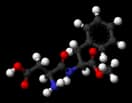
Stevia sweeteners are steviol glycosides extracted from the Stevia rebaudiana plant (or produced to the same molecular profile).
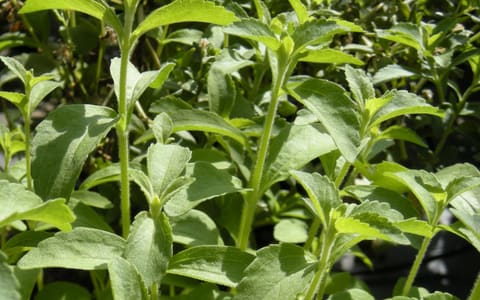
Photo: Ethel Aardvark · CC BY 3.0
Additive identity
Possible source pathways
The finished molecule can be identical across feedstocks. The Halal ruling follows the pathway, not the code alone.
E960 Possible source pathways
- plant Halal Typical Steviol glycosides from Stevia rebaudiana, or the same molecules made to that profile.
Why this ruling
Stevia sweeteners come from the leaves of Stevia rebaudiana, a shrub from Paraguay and Brazil whose leaves the Guaraní people used to sweeten drinks. The sweet compounds, steviol glycosides such as rebaudioside A, are 200 to 300 times sweeter than sugar. They are extracted from the leaves with water and purified, and in the EU they carry the code E960. As a plant product, stevia is Halal.[3] Certifier E-number lists include the steviol glycosides as Halal.[2]
Newer stevia sweeteners
Some of the best-tasting steviol glycosides, such as rebaudioside M, are present only in tiny amounts in the leaf. Manufacturers now make them by converting leaf extract with enzymes, or by fermentation with yeast, producing the same molecules. EFSA has assessed these routes, and they raise no Halal question.[1]
What else is in the packet
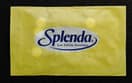
Pure stevia is so sweet that table-top products are blended with a bulking agent:
- erythritol, a fermented sugar alcohol; see polyols,
- maltodextrin or dextrose from corn or wheat starch; see maltodextrin.
All are plant-based and do not change the ruling.
Liquid stevia drops
Some liquid stevia extracts are made or preserved with alcohol, and a few list it on the label. Others use water and glycerin instead. If you use drops, check the ingredients; glycerin has its own page, glycerin.[4]
Taste and health
Stevia's slight liquorice aftertaste, and health debates about sweeteners in general, are matters of preference and nutrition, not Halal rulings. For other sweeteners, see sucralose, aspartame and acesulfame K.
How to verify
- Stevia / steviol glycosides / Reb A → Halal.
- Read blends for other sweeteners (also usually Halal).
- Judge diet drinks and desserts by the full label.
Quick checks
- Stevia (E960) is a plant sweetener: Halal.
- Liquid stevia drops can be made or preserved with alcohol; check the label.
- Glycerin in drops can be plant or animal; look for “vegetable glycerin”.
Frequently asked questions
Is stevia Halal?
Are stevia sweetener packets Halal?
Is liquid stevia Halal?
Is stevia in diet drinks Halal?
Sources
Named Islamic, certifier, manufacturer, and regulatory sources used on this page. Inline markers like [1] jump here. Retrieval dates show when we last checked the live URL. Editorial methodology.
Islamic / scriptural
-
Qur'an Retrieved
Eat of what is lawful and good on the earth: food is permitted unless a text forbids it.
Certifier / jurisdiction
-
SANHA — Halaal E-numbers (includes steviol glycosides / E960 family)
SANHA Retrieved
Named SANHA E-number entry (ingredient-class; not a product certificate).
Regulatory / labelling
-
EFSA — Scientific opinion on steviol glycosides (E960)
European Food Safety Authority Retrieved
Substance identity—not a Halal certificate for a finished pack.
-
People also check
Related ingredients and products for this item.