
How to verify
- Prefer Halal-certified finished mushroom products in IFANCA, JAKIM/MYeHALAL, or peer directories.
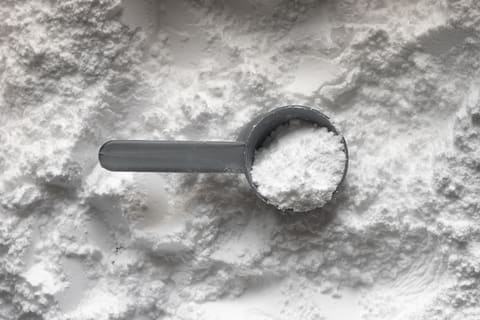
- Prefer plain powders or HPMC capsules over bare gelatin.
- Ask whether extracts used ethanol or other solvents and whether residuals are controlled under a Halal program.
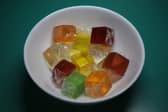
- Read gummies and drink mixes for gelatin, glycerin, and natural flavours.
- Do not treat “organic,” “functional,” or immunity marketing as a Halal certificate or as a medical claim from this site.
Quick checks
- Fungus OK; delivery format may not be.
- Gelatin, glycerin, stearates, flavours on every product.
- Solvent path for extracts—prefer disclosed water extracts or certified lines.
- Halal mark on the finished product when blends are complex.
What decides the answer
-
Plain culinary/supplement mushroom powder with no haram add-ins
Halal -
HPMC capsule with clean plant excipients and disclosed solvent path
Halal -
Halal-certified finished mushroom product
Halal within certificate scope -
Unspecified gelatin capsule, softgel, gummy, or alcohol-heavy extract
Halal if verified -
Pork gelatin matrix
Haram
Why this ruling
Mushroom supplements sell powdered fruiting bodies, mycelium biomass, or extracts of culinary and traditional food fungi—commonly reishi, lion’s mane, chaga, cordyceps, turkey tail, and blends—in capsules, powders, gummies, and drink mixes. Under mainstream Sunni practice, ordinary edible mushrooms are permissible foods. The fungus itself is therefore not the hard part.
Finished products are Halal if verified. Capsules, gummies, extraction solvents, glycerin, magnesium stearate, and natural flavors decide whether a specific product is clean. This page covers food/supplement fungi only, not intoxicating psychedelic mushrooms.
This site makes no unsupported health claims about immunity, cognition, or disease. U.S. dietary-supplement labels may carry structure/function statements with an FDA disclaimer; that is marketing law, not a Halal ruling and not medical advice here.[1]
What to separate on the label
| Layer | Halal focus |
|---|---|
| Mushroom powder / extract identity | Edible fungus → ordinarily Halal |
| Water extract | Usually straightforward when disclosed |
| Ethanol / dual solvent extract | Needs disclosure or Halal audit; avoid drinkable alcohol tinctures |
| Capsule shell | Gelatin species vs HPMC/pullulan |
| Softgel / gummy | Gelatin + glycerin + flavours |
| Drink mix | Flavours, sweeteners, dairy creamers |
IFANCA’s Halal Shopper’s Quick Reference Guide lists gelatin and magnesium stearate as mashbooh examples for nutritional supplements—the same inactive checklist that applies to mushroom capsules.[3] U.S. supplement CGMP (21 CFR Part 111) addresses manufacturing quality, not Islamic dietary compliance.[2]
Buying without overclaiming brands
- Look up the finished product in IFANCA, JAKIM/MYeHALAL, or another recognised directory when a logo is printed.[4][5]
- If uncertified, prefer a short-ingredient powder or HPMC capsule.
- Email once about extraction solvent (water vs ethanol) if the label only says “extract.”
- Treat mushroom gummies like other gummy supplements—gelatin first.
- Multi-mushroom “functional coffee” mixes need the flavour and sweetener stack checked even when the fungi are fine.
Related botanical pattern: ashwagandha supplements use the same capsule/solvent logic for a plant extract. Fermented soy cakes such as tempeh are a different food category (whole food mold culture), not a capsule nutraceutical.
Where you'll find it
- Single-mushroom or blend powders
- Capsules and tablets
- Gummies and softgels
- Coffee/cocoa drink mixes with mushroom extracts
Frequently asked questions
Are mushroom supplements Halal?
Is lion’s mane / reishi / chaga Halal?
Do extraction solvents matter?
Are mushroom gummies Halal?
Do mushroom supplements treat or prevent disease?
Scholarly view
Mainstream Sunni practice treats ordinary edible mushrooms and food fungi as permissible plant-kingdom foods. Supplement products that use the same species inherit that base permissibility for the fungus itself. Certifier practice then audits gelatin capsules, glycerin, stearates, flavour carriers, and ethanol in extraction—identical inactive-layer concerns IFANCA lists for nutritional supplements (gelatin, magnesium stearate). This page covers culinary/supplement fungi, not intoxicating psychedelic mushrooms.
Sources
Named Islamic, certifier, manufacturer, and regulatory sources used on this page. Inline markers like [1] jump here. Retrieval dates show when we last checked the live URL. Editorial methodology.
Certifier / jurisdiction
-
IFANCA Halal Shopper’s Quick Reference Guide
IFANCA Retrieved
Nutritional supplements: gelatin and magnesium stearate as mashbooh examples.
-
IFANCA Halal products / certifier home
IFANCA Retrieved
Verify finished mushroom supplement products when an IFANCA mark is claimed.
-
JAKIM / Portal Halal Malaysia (MYeHALAL)
JAKIM Retrieved
National directory for certified nutraceutical products by market.
Regulatory / labelling
-
NIH ODS — Dietary Supplements (Consumer)
U.S. NIH Office of Dietary Supplements Retrieved
Defines dietary supplements (pills, capsules, liquids) and other-ingredients disclosure; structure/function claims are not disease claims.
-
21 CFR Part 111 — Dietary supplement CGMP
U.S. FDA (via Cornell LII) Retrieved
U.S. manufacturing quality framework for supplements—not Halal certification.
-
U.S. FDA Retrieved
General food/supplement regulatory portal context; not a Halal certificate.
People also check
Related ingredients and products for this item.
Browse this topic
Open the parent category hub for more foods in the same group.