
Are Probiotics Halal?
It depends on what the label says.
Probiotic organisms themselves are microorganisms used in foods and supplements, not pork or intoxicating alcohol.
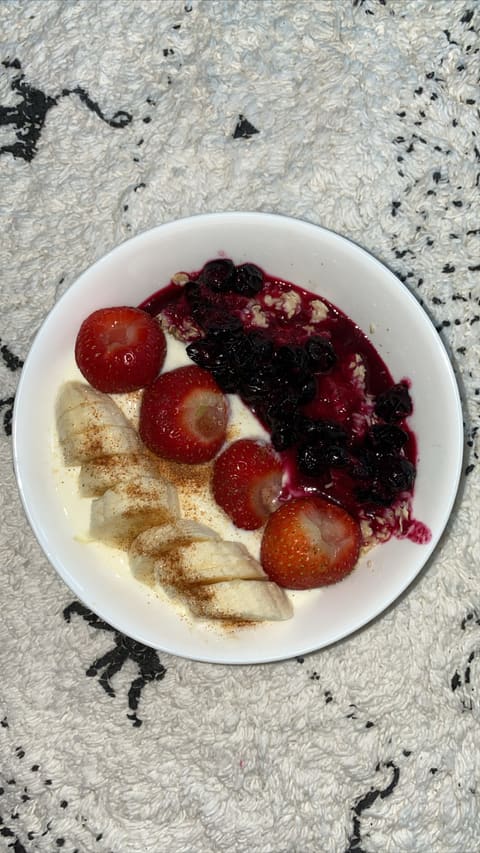
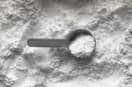
Photo: Jumbocombo0811 · CC BY-SA 4.0
How to verify
- Prefer a recognised Halal mark (IFANCA, JAKIM/MYeHALAL, BPJPH/MUI, HFA, etc.) on the exact product.
- If uncertified, confirm the shell is HPMC/pullulan/“vegetarian capsule,” not bare gelatin.
- Read “other ingredients” for gelatin, glycerin, magnesium stearate, and natural flavours.
- Ask the brand about culture-media animal peptones if you want audited fermentation.
- Treat gummies and chewables like candy—gelatin and flavours first.
- Food yogurts with live cultures still follow the yogurt gelatin/flavour checks.
Quick checks
- Halal logo on the exact product, or HPMC/pullulan shell + clean other-ingredients list.
- Reject bare “gelatin” capsules unless species + Halal slaughter/cert are proven.
- Gummies = candy rules; flavours and gelatin first.
- Do not confuse vegetarian marketing with a Halal audit of growth media.
What decides the answer
-
Live probiotic cultures in a clean plant or dairy matrix with Halal-compatible co-ingredients
Halal -
Halal-certified probiotic product
Halal within that certificate’s scope -
Vegetarian/HPMC capsule with disclosed plant glycerin/stearates and no haram add-ins
Halal (still prefer certification for media audits) -
Gummies/chewables with gelatin, alcohol flavours, or opaque carriers
Halal if verified -
Unspecified gelatin capsule or softgel → Halal if verified (pork gelatin
Haram)
Why this ruling
Probiotics are live microorganisms—mainly bacteria and some yeasts—sold in foods and dietary supplements. The NIH Office of Dietary Supplements describes them as microbes present in some fermented foods, added to other foods, and available as capsules, powders, liquids, and similar formats.[1] That identity tells you what is on the label. It does not settle Halal status for a finished bottle.
For Islamic dietary practice, ordinary lactic cultures and food yeasts are not pork and are not intoxicating drinks. The ruling problem is almost always the delivery system and inactive stack: gelatin shells, softgel glycerin, tablet coatings, magnesium stearate, flavour systems, sweeteners in gummies, and—when brands will disclose it—animal-origin growth media used to grow the culture before drying.
Status on this site
Purchasable probiotic supplements are Halal if verified. Prefer a recognised Halal mark on the exact product when you can get one. Without a mark, clear plant capsules plus a short, plant-compatible “other ingredients” list is the next best path—not a substitute for a full media audit.
U.S. dietary supplements are regulated as a distinct food category under DSHEA-era rules; manufacturers must follow dietary-supplement CGMP (21 CFR Part 111).[2][3] Those rules govern identity, purity, and labelling honesty. They are not Halal certification.
What usually decides the ruling
| Layer | Typical Halal question |
|---|---|
| Live culture (strain/CFU) | Organism itself ordinarily OK; CFU marketing is not fiqh |
| Capsule / softgel | Gelatin species vs HPMC/pullulan; softgel glycerin feedstock |
| Gummy / chewable | Gelatin, sugars, colours, natural flavors |
| Excipients | Magnesium stearate / stearic acid origin; coatings |
| Fermentation / media | Animal peptones or blood-derived factors (certifier audit territory) |
IFANCA’s published shopper guide lists gelatin and magnesium stearate as mashbooh watchpoints specifically for nutritional supplements.[4] That matches how Halal auditors treat probiotic bottles: the strain name on the front is rarely the hardest line.
Food cultures vs supplement products
Plain yogurt with live cultures is a food first. Its Halal questions are dairy processing, gelatin, and flavours—not “is Lactobacillus haram.” Drugstore capsules, children’s gummies, and travel packets are separate products: treat each pack’s shell and inactive list on its own.
Manufacturer format example (not a Halal certificate): Culturelle Digestive Daily Probiotic Capsules states a vegetarian capsule (retrieved 12 August 2026). Vegetarian wording answers the gelatin-species question only if the full other-ingredients list stays clean; it does not prove a Halal fermentation-media audit.
How to buy without guessing
- Search IFANCA, JAKIM/MYeHALAL, BPJPH/MUI, HFA, or your local recognised body for the named product.[5][6]
- If uncertified, require HPMC/pullulan or explicit vegetarian capsule language—and still read glycerin/stearate lines.
- Skip gummies that list bare gelatin the same way you would skip unverified gummy candy.
- Email once about culture media if you take probiotics daily and want the same diligence certifiers apply.
- Synbiotic bottles that also list prebiotic fibres (for example inulin) still need the same capsule/flavour checks—see prebiotics.
Structure/function marketing on probiotic labels (“supports digestion,” and similar) is advertising under U.S. supplement rules. It does not change the Halal analysis and is not an efficacy claim from this site.
Where you'll find it
- Dietary supplement capsules, powders, and liquids
- Gummy and chewable probiotic products
- Yogurt and other fermented dairy with live cultures
- Fortified juices, bars, and infant/toddler formulas (label-dependent)
Frequently asked questions
Are probiotics Halal?
Is a vegetarian probiotic capsule automatically Halal?
Do yogurt probiotics follow the same rule as capsules?
Does CFU count or strain marketing decide Halal status?
What does IFANCA flag in supplements?
Scholarly view
Classical fiqh does not treat ordinary lactic cultures or food yeasts as pork derivatives. The practical Halal analysis for modern probiotic supplements follows certifier practice on capsules, fermentation media, alcohol processing aids, and animal excipients.
IFANCA’s shopper guidance flags gelatin and magnesium stearate specifically under nutritional supplements—exactly the inactive layer that often matters more than the strain name on the front of the bottle.
Sources
Named Islamic, certifier, manufacturer, and regulatory sources used on this page. Inline markers like [1] jump here. Retrieval dates show when we last checked the live URL. Editorial methodology.
Certifier / jurisdiction
-
IFANCA Halal Shopper’s Quick Reference Guide
IFANCA Retrieved
Flags gelatin and magnesium stearate under Nutritional Supplement mashbooh examples.
-
IFANCA Halal products / certifier home
IFANCA Retrieved
Use finished-product certificates for probiotic products when available.
-
JAKIM / Portal Halal Malaysia (MYeHALAL)
JAKIM Retrieved
National directory for market-certified probiotic and supplement products.
Manufacturer / product
-
Culturelle Digestive Daily Probiotic Capsules — vegetarian capsule disclosure
Culturelle Retrieved
Named manufacturer format example (vegetarian capsule). Not a Halal certificate.
Regulatory / labelling
-
NIH ODS — Probiotics (Consumer Fact Sheet)
U.S. NIH Office of Dietary Supplements Retrieved
Defines probiotics as live microorganisms in foods and dietary supplements; not a Halal ruling.
-
NIH ODS — Dietary Supplements (Consumer)
U.S. NIH Office of Dietary Supplements Retrieved
DSHEA framing: pills/capsules/liquids labelled as dietary supplements; other-ingredients disclosure context.
-
21 CFR Part 111 — Dietary supplement CGMP
U.S. FDA (via Cornell LII) Retrieved
Manufacturing/quality rules for dietary supplements—not Halal certification.
People also check
Related ingredients and products for this item.
Browse this topic
Open the parent category hub for more foods in the same group.