
What decides the answer
-
Plain plant prebiotic fibre (inulin, FOS, GOS, similar plant oligosaccharides)
Halal -
Gelatin capsule, softgel, or gummy with unclear gelatin/glycerin/flavours
Halal if verified -
Pork gelatin matrix
Haram -
Halal-certified finished prebiotic product: Halal within certificate scope
-
HPMC/vegetarian capsule with clean plant carriers: usually Halal
Where you'll find it
- Fibre powders and capsule supplements labelled prebiotic
- Synbiotic formulas paired with probiotic cultures
- Fortified yogurts, bars, and drink mixes
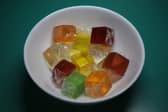
- Gummy and chewable fibre products
Why this ruling
Prebiotics are typically complex carbohydrates—such as inulin and other fructo-oligosaccharides—that gut microorganisms can use as metabolic fuel. The NIH Office of Dietary Supplements distinguishes them from probiotics (live microbes) and notes that products combining both are often called synbiotics.[1]
FDA’s dietary-fibre science review and Interactive Nutrition Facts Label list inulin and inulin-type fructans, galactooligosaccharide (GOS), and high-amylose starch (resistant starch 2) among isolated fibres the agency has reviewed for labelling (retrieved 16 August 2026).[2][3] Those documents establish carbohydrate identity, not Halal certification of a gummy or capsule.
On this site the base plant fibre is Halal. What can still go wrong is the finished format: gelatin capsules, gummy candy matrices, softgel glycerin, magnesium stearate, and flavour carriers.
Ingredient vs product
| What you bought | Usual ruling path |
|---|---|
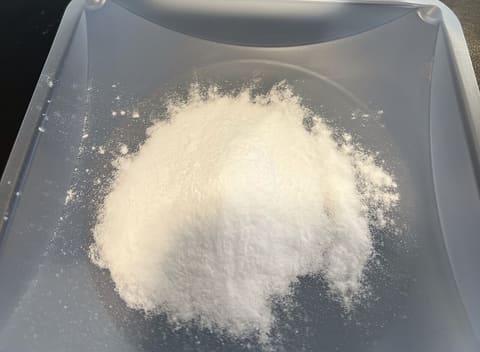
| Plain inulin / chicory-root fibre powder | Halal plant carbohydrate |
| Unflavoured FOS/GOS powder | Halal (GOS may be lactose-derived—still not pork) |
| Capsule labelled “prebiotic” | Fibre usually OK; shell/excipients decide |
| Prebiotic gummies | Treat like candy—gelatin and flavours |
| Synbiotic (prebiotic + probiotic) | Verify both stacks |
There is not yet a dedicated inulin page on this site. Until one exists, treat labelled food-grade inulin as plant fibre and judge blends by the full Supplement Facts / ingredient list. Common powder neighbours such as maltodextrin are carriers, not a Halal certificate for flavours sitting beside them.
Capsules, gummies, carriers, flavours
IFANCA’s shopper guide flags gelatin and magnesium stearate for nutritional supplements—the watchpoints when a prebiotic fibre is pressed into a capsule or softgel.[4]
Practical checks:
- Prefer HPMC / “vegetarian capsule” language over bare gelatin.
- Softgels: verify glycerin feedstock (vegetable vs animal).
- Gummies: assume gelatin risk until species or a Halal mark is clear.
- Flavoured stick packs: read natural flavors separately.
- Certified finished products (JAKIM/MYeHALAL when a Malaysian mark is claimed) remain the shortest audit path for complex mixes.[5]
Marketing vs fiqh
“Prebiotic,” “gut fibre,” and synbiotic branding are commercial categories. They are not Halal certificates and are not medical claims from this page. If the only questionable lines are capsule gelatin or candy flavours, switching to a plain plant-fibre powder usually removes the problem without needing a scholarly dispute about the carbohydrate itself.
How to verify
- Treat named plant fibres (inulin, fructo-oligosaccharides/FOS, galacto-oligosaccharides/GOS, resistant starch) as Halal carbohydrates.
- On capsules, check gelatin vs HPMC.
- On gummies, apply candy rules—gelatin and flavours first.
- On powders, separate the fibre from maltodextrin blends, sweeteners, and natural flavours.
- Prefer Halal-certified finished mixes when the jar is a multi-ingredient formula.
Quick checks
- Name the fibre (inulin/FOS/GOS) before judging the bottle.
- Capsule/gummy format → gelatin and flavour rules.
- Powder blends → check maltodextrin neighbours and natural flavours separately.
- Do not treat “prebiotic” marketing language as a Halal certificate.
Frequently asked questions
Are prebiotics Halal?
Is inulin Halal?
Are prebiotics the same as probiotics?
Does a prebiotic powder need Halal certification?
What about galacto-oligosaccharides (GOS) from lactose?
Scholarly view
Prebiotic ingredients in commerce are typically plant polysaccharides or oligosaccharides. Fiqh treats them as plant foods. Doubt enters through capsule gelatin, softgel glycerin, stearates, alcohol-carried flavours, and candy-style gummy matrices—the same inactive layer IFANCA flags for nutritional supplements generally (gelatin, magnesium stearate).
Sources
Named Islamic, certifier, manufacturer, and regulatory sources used on this page. Inline markers like [1] jump here. Retrieval dates show when we last checked the live URL. Editorial methodology.
Certifier / jurisdiction
-
IFANCA Halal Shopper’s Quick Reference Guide
IFANCA Retrieved
Finished-supplement caveats: gelatin and magnesium stearate—not an inulin origin page.
-
JAKIM / Portal Halal Malaysia (MYeHALAL)
JAKIM Retrieved
Directory when a finished fibre/supplement product claims a Malaysian Halal mark.
Regulatory / labelling
-
NIH ODS — Probiotics (Consumer Fact Sheet)
U.S. NIH Office of Dietary Supplements Retrieved
Distinguishes prebiotics (complex carbohydrates such as inulin and other fructo-oligosaccharides) from probiotic live microorganisms.
-
FDA — Review of isolated/synthetic non-digestible carbohydrates (dietary fibre)
U.S. FDA Retrieved
Agency science review covering inulin and inulin-type fructans, galactooligosaccharide (GOS), and high-amylose starch (resistant starch 2) as isolated fibres—not a Halal certificate.
-
FDA Interactive Nutrition Facts Label — Dietary Fiber
U.S. FDA Retrieved
Consumer fibre list includes inulin and inulin-type fructans, galactooligosaccharide, and high amylose starch (resistant starch 2).
People also check
Related ingredients and products for this item.
Browse this topic
Open the parent category hub for more foods in the same group.