
Are Ashwagandha supplements Halal?
It depends on what the label says.
Ashwagandha (Withania somnifera) is a plant.
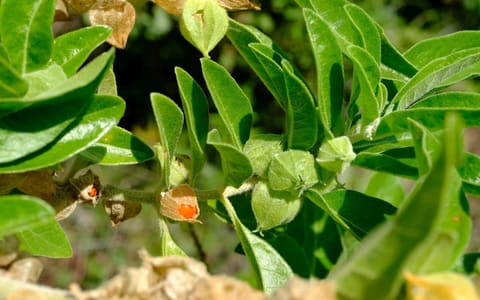
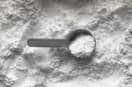
Photo: botaneek · CC BY-SA 4.0
How to verify
- Prefer a recognised Halal mark (IFANCA, JAKIM/MYeHALAL, ISA, BPJPH/MUI, HFA, or a peer body) on the exact finished product—do not treat a brand-site badge as a certificate.
- Prefer powders or HPMC/vegetarian capsules over bare “gelatin.”
- If the label says gelatin, require bovine, fish/marine, or porcine wording—or a Halal mark; do not infer pork from the word gelatin.
- Prefer water-extracted root extracts when brands disclose the process; treat drinkable alcohol tinctures as higher scrutiny.
- Read other ingredients for gelatin, glycerin, magnesium stearate, silicon dioxide/silica, fillers, carmine, and natural flavours.
- Ignore stress, sleep, testosterone, or energy marketing—fiqh tracks ingredients and process, not structure/function claims.
Quick checks
- Herb OK; bottle stack may not be.
- Capsule: gelatin species vs HPMC—do not infer pork from “gelatin.”
- Gummies: gelatin, carmine, and flavours first.
- Prefer water-extracted or certified extracts over drinkable alcohol tinctures.
- Named Halal mark on the finished product beats marketing adjectives.
What decides the answer
-
Plain ashwagandha root powder with no haram add-ins
Halal -
Water-extracted or Halal-certified extract in HPMC/vegetarian capsules with clean excipients
Halal -
Halal-certified finished product
Halal within certificate scope -
Unspecified gelatin capsule, gummy gelatin/carmine, glycerin, flavour carriers, or alcohol tincture
Halal if verified -
Named pork gelatin shell, or an intoxicating drinkable alcohol extract taken as a drink
Haram
Why this ruling
Ashwagandha (Withania somnifera) is a plant—also called winter cherry or Indian ginseng, though it is not true ginseng—sold widely as a dietary supplement. The NIH Office of Dietary Supplements describes typical products as root extract, or root-and-leaf extract, in capsules, tablets, powders, liquids, and similar formats.[1] That sentence is product identity. Claims about stress, sleep, testosterone, energy or disease are medical questions, not Halal ones, and are not assessed here. Structure/function wording on U.S. supplement labels is marketing under dietary-supplement rules; it is not a Halal fatwa and not an efficacy finding here.[2]
The botanical is not the main Halal obstacle. Finished ashwagandha supplements stay Halal if verified because the purchasable product often adds gelatin, glycerin, stearates, silica, fillers, flavours, carmine, or alcohol-based extraction.
Herb vs bottle
| Layer | Typical Halal path |
|---|---|
| Dried root / leaf powder | Plant food → Halal when pure |
| Water-extracted powdered extract | Usually Halal at ingredient level when disclosed |
| Hydroalcoholic extract, then dried | Certifier/scholar scrutiny of residual ethanol |
| Drinkable alcohol tincture (dropper) | Not a Halal food path if the bottle is an intoxicant |
| Alcohol-free glycerite | Check glycerin feedstock |
| HPMC / hypromellose / vegetarian capsule | Removes the common gelatin-species issue |
| Bare gelatin capsule / softgel | Follow gelatin—bovine, fish, or porcine if named; unspecified stays Halal if verified |
| Gummy / flavoured chew | Candy rules—gelatin, carmine, and natural flavors |
U.S. labels must list capsule shells, fillers, flavours, and similar inactives in the ingredient / “other ingredients” line (21 CFR § 101.4), separate from the Supplement Facts box (21 CFR § 101.36).[3][4] A “USP” source claim on that panel is a compendium/purity representation. It is not a Halal slaughter or feedstock audit. Dietary-supplement CGMP (21 CFR Part 111) likewise governs manufacturing quality, not Islamic dietary compliance.[5]
IFANCA’s shopper guide flags gelatin and magnesium stearate for nutritional supplements—the inactive layer that decides many ashwagandha bottles.[6]
Capsules: gelatin vs vegetarian shells
Do not infer pork from the word gelatin. Hard-shell and softgel gelatins may be bovine, porcine, or fish; some brands disclose species, many do not. Unspecified gelatin stays Halal if verified. Named pork gelatin is Haram. Named fish gelatin follows the fish-gelatin page. Named bovine gelatin still needs Halal slaughter/certification.
Manufacturer format examples (not Halal certificates):
- NOW Foods Ashwagandha 450 mg Veg Capsules lists hypromellose (cellulose capsule), vegetable-source stearic acid, and rice flour (retrieved 15 August 2026).[11] That answers the shell-species question only if the rest of the inactive list stays clean. A Halal badge on a brand site, without a named certifier record we can link, is not treated here as finished-product certification.
- Swanson High Absorption Ashwagandha & Black Pepper lists gelatin, microcrystalline cellulose, magnesium stearate, and silica with no animal species for the gelatin (retrieved 15 August 2026).[12] Treat that gelatin line as Halal if verified.
Gummies: gelatin, carmine, flavours
Gummy ashwagandha is a candy matrix first. Classic gummies use gelatin; some products print pectin and “gelatin-free.” Vegetarian pectin still leaves natural flavours and colours to check. If the colour is carmine / cochineal / E120, that insect-red question is a scholarly difference on the carmine page—not a hidden pork finding.
Manufacturer format example (not a Halal certificate): Nature’s Bounty Ashwagandha Gummies states a pectin matrix rather than gelatin, and lists natural flavours among other ingredients (retrieved 15 August 2026).[13] Pectin answers the gelatin-species question; it does not certify the flavour system.
Extracts, tinctures, and solvents
Some branded root extracts are produced with water-based processes. Ixoreal’s KSM-66 public description states a proprietary extraction without alcohol or chemical solvent.[9] That is useful ingredient-level transparency. It still does not automatically Halal-certify every consumer capsule that contains KSM-66—shells and excipients remain product questions.
Drinkable dropper tinctures are a different product class. Herb Pharm Ashwagandha lists certified organic cane alcohol (61–71%) and distilled water as other ingredients (retrieved 15 August 2026).[14] Neat ethanol carriers are not treated like a pinch of baked vanilla extract in cake. IslamQA 177030 permits foods in which alcohol used in preparation leaves no intoxicating effect or discernible trace; drinking an alcoholic extract is outside that food ruling.[15] SeekersGuidance’s cited Shafi‘i answer on medicinal herbal extracts tells the questioner to look for non-alcohol alternatives rather than treating an alcohol tincture as a default food.[16] Alcohol-free glycerites exist; they still need a glycerin feedstock check.
Excipients and flow agents
Read the other-ingredients line, not only the front-of-pack herb name:
| Inactive | Why it matters |
|---|---|
| Magnesium stearate / stearic acid | Animal vs vegetable fat—IFANCA mashbooh watchpoint until origin is clear |
| Silicon dioxide / silica | Typically mineral/synthetic flow agent; usually unproblematic, still confirm it is not an undeclared animal coating |
| Fillers (rice flour, microcrystalline cellulose, maltodextrin) | Usually plant; judge any blend, not the filler name alone |
| Glycerin / vegetable glycerin | Plant vs animal feedstock—see glycerin |
| Flavour carriers | Alcohol or glycerin carriers; same family as natural flavours |
Certification without overclaiming
- Search IFANCA, JAKIM/MYeHALAL, and peer directories for the exact finished product when a logo appears.[7][8] Treat a logo as confirmed only when that record exists in the certifier's directory.
- Named retail example: Iman Vitamins Halal Organic Ashwagandha states Halal Certified by ISA and a vegetarian/vegan tablet format (retrieved 15 August 2026).[10] Treat that as a finished-product certification claim to verify against the certifier—not as medical advice and not as proof that every ashwagandha brand is certified.
Practical buying order
- Named Halal mark on the bottle you will swallow, checked against the certifier for that product.
- Else: short-label powder, or HPMC/hypromellose capsule with a short, plant-compatible other-ingredients list; water-extracted if disclosed.
- Avoid unverified gelatin gummies and drinkable alcohol tinctures.
- Multi-herb blends need every botanical’s carriers checked—same pattern as mushroom supplements.
Where you'll find it
- Root or root-and-leaf extract capsules and tablets
- Powders and drink mixes
- Gummies and softgels
- Liquid extracts and dropper tinctures
- Multi-herb blends labelled as adaptogen formulas
Frequently asked questions
Is ashwagandha Halal?
Are ashwagandha capsules Halal?
Are ashwagandha gummies Halal?
Does alcohol extraction make ashwagandha Haram?
Is KSM-66 automatically Halal in every bottle?
Do stress, sleep, or testosterone claims affect the Halal ruling?
Scholarly view
Ashwagandha is a botanical. Classical permissibility follows plant-food rules unless a haram solvent, animal capsule, insect colour, or impure additive intervenes. Certifiers audit finished nutraceuticals for gelatin, stearates, glycerin, and ethanol in extraction—IFANCA’s supplement watchpoints (gelatin, magnesium stearate) apply here as they do for other capsules.
Drinkable alcohol tinctures are not treated like a pinch of baked vanilla extract: IslamQA 177030 permits foods in which alcohol leaves no intoxicating effect or discernible trace, and all sides treat drinking an intoxicating extract as haram.
SeekersGuidance (Shafi‘i) requires looking for non-alcohol herbal alternatives before relying on alcohol-preserved medicinal extracts. Residual process ethanol in a dried, non-intoxicating powder remains a certifier-threshold question—not a blanket herb ruling.
Sources
Named Islamic, certifier, manufacturer, and regulatory sources used on this page. Inline markers like [1] jump here. Retrieval dates show when we last checked the live URL. Editorial methodology.
Islamic / scriptural
-
IslamQA 177030 — vanilla extract / residual alcohol in food
IslamQA Retrieved
Permits eating a food mixed with alcohol in preparation when no intoxicating effect or discernible trace remains (citing Ibn Uthaymin). Not a licence to drink an alcoholic tincture.
-
SeekersGuidance — medicinal herbal extracts with alcohol (Shafi‘i)
SeekersGuidance Retrieved
Shaykh Jamir Meah: look for non-alcohol herbal alternatives; alcohol-preserved extracts are not a default food path under the reliable Shafi‘i view cited there.
Certifier / jurisdiction
-
IFANCA Halal Shopper’s Quick Reference Guide
IFANCA Retrieved
Nutritional supplements: gelatin and magnesium stearate as mashbooh examples.
-
IFANCA Halal products / certifier home
IFANCA Retrieved
Verify finished ashwagandha products when an IFANCA mark is claimed. This homepage is not a named ashwagandha certificate.
-
JAKIM / Portal Halal Malaysia (MYeHALAL)
JAKIM Retrieved
National Halal directory for certified botanical supplements by market—search the exact product.
Manufacturer / product
-
What is KSM-66 — water-based extraction description (Ixoreal)
Ixoreal / KSM-66 Retrieved
Maker description: proprietary extraction without alcohol or chemical solvent. Ingredient-level process claims are not automatic finished-product Halal certificates.
-
Iman Vitamins — Halal Organic Ashwagandha (ISA Halal Certified claim)
Iman Vitamins Retrieved
Named finished-product example claiming ISA Halal certification and a vegetarian/vegan tablet format. Verify current certificate scope with the certifier; this site does not endorse health claims on that page.
-
NOW Foods — Ashwagandha 450 mg Veg Capsules (hypromellose shell)
NOW Foods Retrieved
Manufacturer format example: hypromellose (cellulose) capsule, vegetable-source stearic acid, rice flour. A brand Halal badge without a named certifier directory record is not treated here as a finished-product certificate.
-
Swanson — High Absorption Ashwagandha & Black Pepper (gelatin, stearate, silica)
Swanson Vitamins Retrieved
Manufacturer other-ingredients example listing gelatin, microcrystalline cellulose, magnesium stearate, and silica—no species for the gelatin. Not a Halal certificate.
-
Nature’s Bounty — Ashwagandha Gummies (pectin matrix, natural flavours)
Nature’s Bounty Retrieved
Manufacturer format example: pectin rather than gelatin; other ingredients include natural flavours. Vegetarian pectin is not a Halal certificate.
-
Herb Pharm — Ashwagandha liquid herbal extract (cane alcohol 61–71%)
Herb Pharm Retrieved
Named drinkable tincture format: ashwagandha root extracted into certified organic cane alcohol (61–71%) and distilled water. Not a Halal certificate.
Regulatory / labelling
-
NIH ODS — Ashwagandha (Consumer Fact Sheet)
U.S. NIH Office of Dietary Supplements Retrieved
Botanical identity only: Withania somnifera; also called Indian ginseng and winter cherry; supplements usually root or root-and-leaf extracts. Not used here for stress, sleep, or other health findings.
-
NIH ODS — Dietary Supplements (Consumer)
U.S. NIH Office of Dietary Supplements Retrieved
Supplement labelling and other-ingredients context; structure/function claims are not disease claims and are not Halal rulings.
-
21 CFR § 101.4 — food ingredient declaration (dietary-supplement other ingredients)
U.S. FDA (via Cornell LII) Retrieved
Excipients, fillers, flavours, colours, and binders must appear in the ingredient / other-ingredients list. Labelling honesty is not Halal certification.
-
21 CFR § 101.36 — nutrition labelling of dietary supplements
U.S. FDA (via Cornell LII) Retrieved
Supplement Facts vs other-ingredients split. A “USP” source claim is a compendium/purity representation, not a Halal feedstock or slaughter audit.
-
21 CFR Part 111 — Dietary supplement CGMP
U.S. FDA (via Cornell LII) Retrieved
U.S. manufacturing quality framework for supplements—not Halal certification.
People also check
Related ingredients and products for this item.
Browse this topic
Open the parent category hub for more foods in the same group.