
Is E477 (Propane-1,2-diol esters of fatty acids) Halal?
It depends on what the label says.
E477 is propylene glycol esterified with fatty acids.
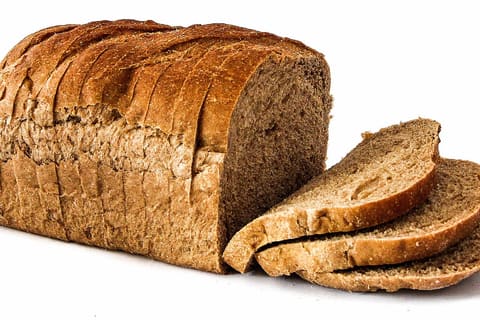
Photo: FranHogan · CC BY-SA 4.0
Additive identity
Possible source pathways
The finished molecule can be identical across feedstocks. The Halal ruling follows the pathway, not the code alone.
E477 Possible source pathways
- plant Halal Typical Fatty acids from palm, soy, sunflower, coconut, or other vegetable oils.
- animal Halal if verified The same esters can be split from tallow or lard. Pork or non-zabiha fat is haram; audited zabiha tallow is accepted after audit.
- undisclosed Halal if verified Typical Most labels print only the E-number or US chemical name. Treat as mashbooh until a plant, vegan, or Halal claim settles the fat.
How to verify
- Match E477, INS 477, PGME, or propylene glycol esters of fatty acids.
- Fat source is the Halal question.
- Do not confuse with E1520 (free propylene glycol).
Quick checks
- E477 is propylene glycol bonded to fatty acids.
- The fatty acids can be plant or animal; a vegetarian, vegan or Halal mark settles them.
- It is not plain propylene glycol (E1520), which has no fat question.
What decides the answer
-
Plant-fat grade, or vegetarian/vegan claim
Halal -
Halal-certified product
Halal -
Pork or non-zabiha fat
haram -
Unspecified lot
Halal if verified
Why this ruling
Propane-1,2-diol esters of fatty acids, E477, are made by joining propylene glycol to fatty acids. On US labels they appear as propylene glycol monostearate or propylene glycol mono- and diesters of fats and fatty acids; the trade shorthand is PGME.[1][2]
Where the question is
Propylene glycol is a synthetic compound, not an intoxicant and not wine, despite the chemistry word "glycol"; see E1520. The fatty acids are the part that can come from vegetable oil or from animal fat. So the ruling follows them, as for E471:
- Vegetable fatty acids → Halal.
- From a Halal-slaughtered animal → Halal.
- From pork or non-Halal slaughter → not Halal.
- Not stated → Halal if verified.
Certifier lists put unsourced E477 in the doubtful group.[5]
What it does
E477 is an aerating emulsifier. It helps batters and creams trap air and hold it, which is why it is used in:
- cake mixes and sponge cakes, often as part of a "cake gel",
- whipped toppings and aerosol creams,
- bakery shortenings and some icings.
It often appears alongside other emulsifiers such as E475 and E471.
An old code
E478, lactylated fatty acid esters of glycerol and propylene glycol, was withdrawn from the EU list years ago. Older specifications and some imported labels still print it; it raises the same fat-source question. For fatty acids in general, see E570.
Settling it
A vegan or vegetarian claim, or a Halal certification, settles E477 along with the other emulsifiers. Otherwise, the brand can confirm the fat source.
Where you'll find it
- Cakes and sponge improvers
- Whipped toppings
Frequently asked questions
Is E477 Halal?
Where is E477 used?
Is E477 the same as propylene glycol?
What was E478?
Scholarly view
Propylene glycol itself is not khamr. The Halal issue is the fatty acid, as with E471.
Sources
Named Islamic, certifier, manufacturer, and regulatory sources used on this page. Inline markers like [1] jump here. Retrieval dates show when we last checked the live URL. Editorial methodology.
Certifier / jurisdiction
-
SANHA Retrieved
Source-dependent additives listed mashbooh pending origin.
Regulatory / labelling
-
Regulation (EC) No 1333/2008 on food additives
European Union Retrieved
Union-list identity—not a Halal certificate.
-
EFSA — Propane-1,2-diol esters of fatty acids (E477)
European Food Safety Authority Retrieved
Propylene glycol plus fatty acids of vegetable or animal origin.
-
-
People also check
Related ingredients and products for this item.