Are Nitrites and Nitrates (E249–E252) Halal?
Yes — this one is Halal.
Sodium and potassium nitrites and nitrates (E249–E252) are mineral curing salts.
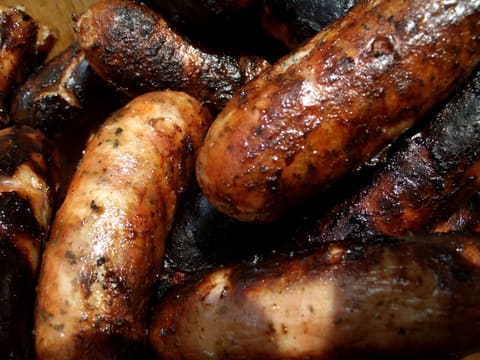
Photo: 彩色琪子 · CC BY-SA 3.0
Additive identity
Possible source pathways
The finished molecule can be identical across feedstocks. The Halal ruling follows the pathway, not the code alone.
E249 Possible source pathways
- mineral Halal Typical Mineral salt or inorganic identity. Not meat, not wine, not an insect colour.
What decides the answer
-
E249–E252 as curing salts
Halal -
Pork or non-zabiha meat cured with them
haram because of the meat -
Halal beef/poultry cured with nitrite
Halal if the rest of the formula is clean
Where you'll find it
- Cured and cooked meats
- Some cheeses (nitrate, limited)
Why this ruling
Nitrites and nitrates are the curing salts: potassium nitrite (E249), sodium nitrite (E250), sodium nitrate (E251) and potassium nitrate (E252). They are mineral salts, not meat, not alcohol and not insect-derived, and as additives they are Halal.[1][5]
What they do
Nitrite is what makes cured meat cured. It:
- gives ham, bacon and salami their pink colour and cured flavour,
- stops the bacteria that cause botulism from growing,
- slows the fat in the meat going rancid.
Nitrates act more slowly: bacteria in the meat turn them into nitrite over weeks, which is why they are used in long-cured hams and some dry sausages. Sodium nitrate is also permitted in some hard cheeses such as Gouda and Edam, to prevent late spoilage. EFSA re-evaluated both groups in 2017.[2][3]
Curing salt sold for home use is often dyed pink so it is not mistaken for table salt. It is not the same thing as Himalayan pink salt.
The meat decides
Nitrite on the label tells you the meat is cured. It says nothing about which meat or how it was slaughtered.
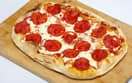
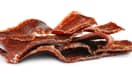
- Bacon, ham, salami, pepperoni and hot dogs made from pork are Haram because of the pork; see bacon and pepperoni.
- Halal beef bacon, turkey ham, beef salami and Halal hot dogs use the same nitrite, and are Halal when the meat is Halal-certified; see hot dogs.
"Uncured" and "no added nitrite"
Products labelled "uncured" or "no added nitrites" usually use celery powder or other vegetable extracts, which are naturally rich in nitrate and do the same job. That is a labelling choice, not a Halal one.
Health is a separate question
Processed meat and nitrite are debated for health reasons, and regulators set maximum levels. That does not change the Halal ruling on the salt. For the vitamin C that is added alongside nitrite in cured meats, see E300.
How to verify
- Match E249–E252, sodium nitrite, sodium nitrate, or curing salt.
- The salt is Halal.
- Judge bacon, ham, and hot dogs by the animal and slaughter, plus other additives (E300, spices).
Quick checks
- Nitrites and nitrates (E249–E252) are mineral curing salts: Halal.
- Halal beef bacon, turkey ham and Halal salami use the same salts; the meat is what to check.
- “Cured with celery” means nitrate from celery powder; the ruling still depends on the meat.
Frequently asked questions
Is sodium nitrite Halal?
Why is nitrite added to cured meat?
Do Halal cured meats use nitrite?
What does “cured with celery” mean?
Scholarly view
Nitrite is not khamr and not pork. Health debates about processed meat are not a Halal ruling on the salt. Do not tell readers that E250 makes pork Halal, or that E250 is haram.
Sources
Named Islamic, certifier, manufacturer, and regulatory sources used on this page. Inline markers like [1] jump here. Retrieval dates show when we last checked the live URL. Editorial methodology.
Regulatory / labelling
-
Regulation (EC) No 1333/2008 on food additives
European Union Retrieved
Union-list identity—not a Halal certificate.
-
EFSA — Re-evaluation of potassium nitrite (E249) and sodium nitrite (E250)
European Food Safety Authority Retrieved
Safety assessment specific to nitrites E249–E250—not a Halal ruling.
-
EFSA — Re-evaluation of sodium nitrate (E251) and potassium nitrate (E252)
European Food Safety Authority Retrieved
Safety assessment specific to nitrates E251–E252—not a Halal ruling.
-
-
-
U.S. Food and Drug Administration Retrieved
US identity / labelling context—not a Halal ruling.
People also check
Related ingredients and products for this item.