Are Propionic Acid and Propionates (E280–E283) Halal?
Yes — this one is Halal.
Propionic acid and its sodium, calcium, and potassium salts are Halal preservatives used to stop rope and mould in bread.
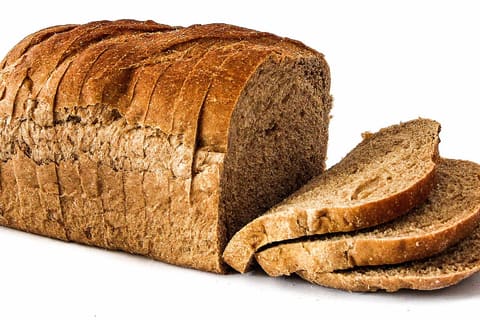
Photo: FranHogan · CC BY-SA 4.0
Additive identity
Possible source pathways
The finished molecule can be identical across feedstocks. The Halal ruling follows the pathway, not the code alone.
E280 Possible source pathways
- synthetic Halal Typical Synthetic or mineral identity. No animal tissue in the finished additive.
What decides the answer
-
E280–E283
Halal -
Bread still needs E920 / E471 checks
Why this ruling
Propionic acid (E280) and its salts, sodium propionate (E281), calcium propionate (E282) and potassium propionate (E283), are preservatives that stop mould and "rope", a sticky bacterial spoilage, in bread and baked goods. They are simple short-chain acids with no animal or alcohol source, and all four are Halal.[3][5]
EFSA has re-evaluated the group,[1] and US rules list sodium and calcium propionate as generally recognised food substances.[2] Certifier lists put them with the additives that need no check.[6]
Where it comes from
Propionic acid is made industrially from petrochemicals, or by fermentation with Propionibacterium, the same bacteria that make the holes and nutty flavour in Swiss cheeses such as Emmental. "Clean-label" breads sometimes replace E282 with cultured wheat or cultured dextrose, which is the same fermentation done in the ingredient itself. Both routes are Halal.
Where you will find it
- sliced bread, rolls, wraps and tortillas – calcium propionate is the most common bread preservative,
- pizza bases, crumpets and cakes,
- processed cheese in some markets.
What to check in bread instead
Calcium propionate is rarely the question on a bread label. The ingredients that can change the answer are:
- emulsifiers such as E471 and E472e, which may be made from animal fat; see E471,
- L-cysteine (E920), a dough softener that can come from feathers or hair; see L-cysteine,
- occasionally lard in traditional recipes.
For bread in general, see bread. For the other common preservatives, see potassium sorbate (E202) and benzoates (E211).
How to verify
- Match E280–E283 or calcium propionate.
- Halal.
- Still scan bread for E920 L-cysteine and E471.
Quick checks
- Propionic acid and its salts (E280–E283) are mould inhibitors: Halal.
- Calcium propionate is common in sliced bread and wraps.
- It is not L-cysteine (E920), which has a separate question.
Frequently asked questions
Is calcium propionate Halal?
Does E282 hide pork?
Why is it in bread?
Is bread with E282 Halal then?
Scholarly view
Propionate is a short-chain acid, not a fat emulsifier. Bread Halal questions are usually cysteine or mono- and diglycerides, not E282.
Sources
Named Islamic, certifier, manufacturer, and regulatory sources used on this page. Inline markers like [1] jump here. Retrieval dates show when we last checked the live URL. Editorial methodology.
Certifier / jurisdiction
Regulatory / labelling
-
EFSA — Re-evaluation of propionic acid and propionates (E280–E283)
European Food Safety Authority Retrieved
Substance identity—not a Halal certificate for a finished pack.
-
21 CFR § 184.1784 sodium propionate
U.S. eCFR Retrieved
U.S. identity / GRAS or colour-additive listing—not a Halal ruling.
-
Regulation (EC) No 1333/2008 on food additives
European Union Retrieved
Union-list identity—not a Halal certificate.
-
-
-
U.S. Food and Drug Administration Retrieved
US identity / labelling context—not a Halal ruling.
People also check
Related ingredients and products for this item.