
Is Lanolin (E913) Halal?
Yes — this one is Halal.
Lanolin (E913, INS 913) is purified wool grease from sheep.
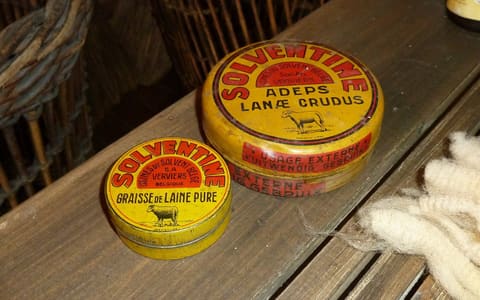
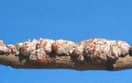
Photo: Jeran Renz · CC BY-SA 4.0
Additive identity
Possible source pathways
The finished molecule can be identical across feedstocks. The Halal ruling follows the pathway, not the code alone.
E913 Possible source pathways
- animal Halal Typical Purified wool grease from sheep. It is a secretion/grease of wool, not slaughtered flesh. Mainstream certifier practice treats food/cosmetic lanolin like other permissible animal secretions once purified.
What decides the answer
-
Food-grade lanolin / E913
Halal on this site -
Personal animal-secretion avoidance
choose carnauba or unwaxed fruit -
Not an authorised EU food additive today—identity is Codex/legacy
Why this ruling
Lanolin – wool wax or wool grease, E913, INS 913 – is the waxy substance that sheep secrete into their fleece to keep it waterproof. It is washed out of shorn wool and purified. It comes from a living animal and involves no slaughter and no meat, and on this site it is Halal.[3][5]
Why it is treated as Halal
Lanolin is a secretion taken from wool, which is itself taken from living sheep. It is not pork, not carrion and not part of a carcass. Certifier E-number lists treat it as permissible,[5] and it is not in the same category as the insect colour carmine, on which scholars differ. Some people avoid all animal-derived ingredients as a personal choice; that is a preference, not the ruling here.
Where you will actually meet it
E913 is not on the current EU list of permitted food additives,[2] so you will rarely see it on a European food label. Where it matters is elsewhere:
- Vitamin D3. Most vitamin D3 (cholecalciferol) in supplements and fortified foods, such as milk, cereals and spreads, is made from a substance extracted from lanolin. If a label says "vitamin D3" without "vegan", it is very likely from lanolin; vegan D3 is made from lichen, and vitamin D2 from yeast or mushrooms.
- A few foods in the United States, where the rules allow a modified form, hydroxylated lanolin, as a food additive for limited uses.[1]
- Lip balms, creams and nipple creams, which are not food but prompt the same question.
Not to be confused with
- Carmine (E120), the red colour from insects, which is a scholarly difference; see carmine.
- Shellac (E904), the lac insect resin used as a glaze; see shellac.
- Beeswax (E901), another secretion used as a glaze; see beeswax.
People who prefer a plant alternative for glazes can look for carnauba wax, E903.
How to verify
- Match E913, INS 913, lanolin, or wool wax.
- Treat food-grade lanolin as Halal on this site.
- If you personally avoid all animal secretions, choose carnauba (E903) or unwaxed fruit.
- Carmine (E120) is a different insect-colour debate.
Quick checks
- Lanolin is grease washed from sheep's wool, and this site treats it as Halal.
- Most vitamin D3 in foods and supplements is made from lanolin.
- People who avoid all animal-derived products should skip it; a capsule shell is a separate check.
Frequently asked questions
Is lanolin Halal?
Does lanolin come from slaughtered sheep?
Is vitamin D3 from lanolin Halal?
Is E913 allowed in EU food?
Scholarly view
Lanolin is wool grease, not minced meat. Named certifier E-number literacy treats it as Halaal wool fat. This is not the carmine insect-colour dispute. A minority of consumers avoid all animal secretions; that is a preference, not this site’s default ruling.
Lanolin is not Haram simply because it comes from an animal; it is taken from wool, not from slaughter.
Sources
Named Islamic, certifier, manufacturer, and regulatory sources used on this page. Inline markers like [1] jump here. Retrieval dates show when we last checked the live URL. Editorial methodology.
Certifier / jurisdiction
Regulatory / labelling
-
21 CFR § 172.814 hydroxylated lanolin
U.S. eCFR Retrieved
U.S. identity / GRAS or colour-additive listing—not a Halal ruling.
-
Regulation (EC) No 1333/2008 on food additives
European Union Retrieved
Union-list identity—not a Halal certificate.
-
-
-
U.S. Food and Drug Administration Retrieved
US identity / labelling context—not a Halal ruling.
People also check
Related ingredients and products for this item.