
Is E1101 (Proteases) Halal?
It depends on what the label says.
E1101 is the Codex class for proteases.
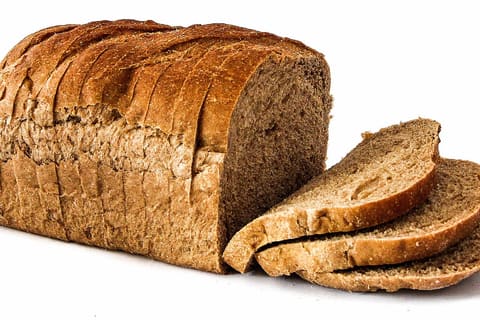
Photo: FranHogan · CC BY-SA 4.0
Additive identity
Possible source pathways
The finished molecule can be identical across feedstocks. The Halal ruling follows the pathway, not the code alone.
E1101 Possible source pathways
- plant Halal Typical Papain (papaya), bromelain (pineapple), and ficin (fig) are plant proteases and are Halal.
- microbial Halal Typical Fermentation proteases from bacteria or fungi on plant media are Halal after ordinary identity checks.
- animal Halal if verified Pancreatic or other tissue proteases follow species and slaughter. Pork trypsin/pepsin is haram.
- undisclosed Halal if verified Typical A bare 'protease' or E1101 line does not name the organism. Treat as mashbooh until plant, microbial, or Halal certification is confirmed.
How to verify
- Match E1101, protease, papain, bromelain, or meat tenderiser.
- Named fruit enzymes are Halal.
- Unspecified protease needs a source.
- Cheese rennet is a related but separate analysis.
Quick checks
- Papain (papaya) and bromelain (pineapple) are Halal.
- Microbial proteases from fungi or bacteria are Halal.
- Pepsin and other proteases from animal stomachs follow the animal; pork pepsin is not Halal.
What decides the answer
-
Papain / bromelain / named plant or microbial protease
Halal -
Pork or non-zabiha tissue protease
haram -
Unspecified protease / E1101
Halal if verified
Why this ruling
Proteases are enzymes that break proteins into smaller pieces. Codex groups them as INS 1101, and older lists print E1101. Some come from plants, some from microbes, and some from animal tissue, and the source is what decides the ruling.[2]
The main proteases
| Enzyme | Source | Halal? |
|---|---|---|
| Papain | Papaya | Yes |
| Bromelain | Pineapple | Yes |
| Ficin | Fig | Yes |
| Microbial proteases | Bacteria or moulds, by fermentation | Yes |
| Pepsin | Stomach of pigs or cattle | Depends on the animal and slaughter; see pepsin |
| Trypsin, pancreatin | Pancreas of pigs or cattle | Depends on the animal and slaughter |
So:
- Plant or microbial protease → Halal.
- From pork → not Halal.
- From cattle → Halal only from a Halal-slaughtered animal.
- Just "protease" or "enzymes" → Halal if verified.
Certifier lists put unspecified enzyme blends in the doubtful group for this reason.[4]
Where proteases are used
- Meat tenderisers, usually papain or bromelain.
- Beer, where papain stops haze forming; beer itself is not Halal.
- Crackers and biscuits, where they relax the dough.
- Flavourings and hydrolysed proteins, where they break down soy, wheat or yeast protein into savoury flavours.
- Cheese ripening and fish sauce production.
Why you often cannot see them
Enzymes used during processing, and gone or inactive in the finished food, often do not have to appear on the label at all. That is why a product's Halal certification is more informative than its ingredient list for enzyme questions. EU rules do not list proteases as a single additive number.[1]
Rennet, the enzyme that sets cheese, is a protease too, with its own well-known rules; see rennet and cheese. For the egg-white enzyme used in cheese, see lysozyme (E1105).
Where you'll find it
- Dough relaxing / biscuit flour
- Meat tenderisers
- Brewing and protein hydrolysis
Frequently asked questions
Is protease Halal?
Is meat tenderiser Halal?
What is pepsin?
Are baking enzymes Halal?
Scholarly view
Papain is not a scholarly problem. The mashbooh zone is unlabeled protease blends that could include porcine pepsin. Do not assume every 'enzyme' on a US meat-tenderiser is papain.
Sources
Named Islamic, certifier, manufacturer, and regulatory sources used on this page. Inline markers like [1] jump here. Retrieval dates show when we last checked the live URL. Editorial methodology.
Certifier / jurisdiction
-
SANHA Retrieved
Source-dependent additives listed mashbooh pending origin.
Regulatory / labelling
-
Regulation (EC) No 1333/2008 on food additives
European Union Retrieved
Union-list identity—not a Halal certificate.
-
-
-
U.S. Food and Drug Administration Retrieved
US identity / labelling context—not a Halal ruling.
People also check
Related ingredients and products for this item.