

What decides the answer
-
Plain seitan (gluten + water ± simple spices)
Halal -
Halal-certified seitan products
Halal with audit assurance -
Simmered in sake/mirin broth or non-Halal stock
avoid -
Celiac / gluten intolerance
medical avoidance, not a fiqh ban
Where you'll find it
- Stir-fries and vegan ‘chicken’ strips
- Sandwiches and deli-style slices
- Stews, curries, and kebabs
- Buddhist / East Asian wheat-meat dishes
Why this ruling
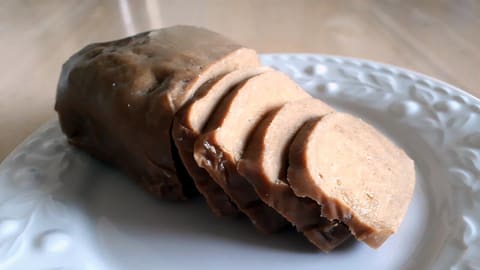
Seitan is wheat gluten prepared as a meat-like protein. Bakers rinse wheat-flour dough until starch washes away, leaving an elastic gluten mass that is simmered, baked, or steamed. The result is chewy, high-protein, and common in East Asian Buddhist vegetarian cooking and modern vegan “chicken” strips. The Halal default for plain seitan is simple: wheat and water are Halal.
On the shelf
A plain packaged seitan is a short plant list: Pacific's seitan in the US lists water, vital wheat gluten, red beans, sprouted lentils, brown sugar, sea salt, spices and garlic, and is labelled vegan.[3] Flavoured and "mock meat" seitans add seasonings and flavourings, which is where the checks below come in.
Why the category is Halal
There is no pork, no slaughter question, and no inherent intoxicant in gluten protein. U.S. labelling rules treat wheat gluten as a plant ingredient (see allergen and ingredient context via FDA Food, retrieved 20 July 2026). Seitan’s reputation as “wheat meat” is culinary marketing, not a fiqh problem. Contrast that with gelatin gummies or shellfish, where the animal source or madhhab classification is the dispute—here the dispute is almost always the seasoning.
| Form | Typical Halal read |
|---|---|
| Plain block / refrigerated seitan | Halal |
| Seasoned deli slices / “meaty” crumbles | Read label |
| Restaurant seitan in teriyaki/sake broth | Verify sauce |
| Halal-certified plant meats using seitan | Clearest packaged option |
Where products go wrong
Packaged seitan often lists soy sauce, yeast extract, flavourings, and spices—usually fine. Problems appear when formulas include wine, mirin, or sake (see teriyaki sauce and sake), oyster sauce, or animal broth powders that sneak into “umami” blends. Some food-service “chicken-style” seitan is simmered in stock shared with non-Halal meat kitchens. Vegan cafés are lower risk but not automatic—ask about alcohol in reductions.
Seitan vs tempeh vs tofu
- Seitan — wheat gluten; avoid if gluten-free medically.
- Tempeh — fermented whole soy (tempeh).
- Tofu — coagulated soy milk (tofu).
All three are plant-base Halal foods; none excuse a wine glaze.
Markets and certification
Muslim-majority markets sometimes certify plant-based meats that use seitan or mixed proteins. Check Malaysian products in JAKIM’s Portal Halal / MYeHALAL (retrieved 20 July 2026). In Western stores, plain seitan brands rarely print Halal marks; short ingredient lists still support the category Halal ruling. “Organic” and “non-GMO” claims do not answer alcohol-marinade questions.
Realistic verification
- Start with plain seitan when cooking at home.
- Season with verified soy sauce and spices you trust.
- For deli slices, read every line—especially flavourings plus any alcohol words.
- In restaurants, ask about broth and glaze, not whether wheat is Halal.
- Re-check new “bacon” or “pepperoni” seitan products after reformulations.
Buying tips for weekly shoppers
Refrigerated seitan spoils like other high-moisture proteins—follow the pack date and keep it cold. Frozen seitan and dry vital-wheat-gluten bags for homemade loaves are easier to stock. When you make seitan at home from vital wheat gluten, you control every spice and broth ingredient, which is the cleanest Halal path for frequent eaters. Store-bought convenience strips trade that control for speed, so keep one trusted brand on a note in your phone after you have verified its label once.
How to verify
- Prefer plain seitan listing wheat gluten, water, and simple seasonings.
- Read flavoured packs for wine, mirin, animal broth powders, or gelatin binders.
- In restaurants, ask whether the seitan was simmered in dashi with mirin/sake or in vegetable stock.
- Choose Halal-certified mock-meat products when available.
Frequently asked questions
Is seitan Halal?
Is seitan the same as tofu or tempeh?
Does ‘vegan’ seitan guarantee Halal?
Is mock duck or Buddhist wheat meat Halal?
Can Muslims with gluten issues eat seitan?
Scholarly view
Seitan’s base is plant protein (gluten). There is no classical dispute analogous to shellfish or gelatin. Practical caution matches other processed vegan foods: broth, wine marinades, and shared kitchen equipment—not the gluten itself. People with celiac disease must avoid seitan for medical reasons; that is unrelated to the Halal ruling.
Sources
Named Islamic, certifier, manufacturer, and regulatory sources used on this page. Inline markers like [1] jump here. Retrieval dates show when we last checked the live URL. Editorial methodology.
Certifier / jurisdiction
-
Retrieved
Manufacturer / product
-
Pacific seitan, US (0052603094610)
Open Food Facts (pack record) Retrieved
Labelled vegetarian and vegan. Ingredients: water, vital wheat gluten, red beans, sprouted lentils, brown sugar, sea salt, spices, garlic.
Regulatory / labelling
-
Retrieved
People also check
Related ingredients and products for this item.


![Tomasz Sienicki [user: tsca, mail: tomasz.sienicki at gmail.com]](https://commons.wikimedia.org/wiki/File:Seitan_20210219_ubt.jpg)