What decides the answer
-
Plain arepa (maize, water, salt, oil or butter)
Halal -
Filled with beans, eggs or avocado
Halal -
Chicken or beef filling
Halal only from Halal slaughter -
White cheese
depends on the rennet -
Pernil (roast pork)
Haram
Why this ruling
Arepas are round cakes of cooked maize dough from Venezuela and Colombia, eaten at breakfast, as street food and as the bread of a meal. The dough is precooked white or yellow maize flour, water and salt, patted into discs and cooked on a griddle, baked or fried. In Venezuela they are split open like a pocket and stuffed; in Colombia they are more often thinner, spread with butter or topped with cheese.[1]
Fillings and toppings
| Part | Usually | Halal? |
|---|---|---|
| Precooked maize flour, water, salt | Plant | Yes |
| Cooking fat | Oil, or butter on the griddle | Yes |
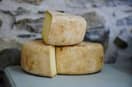
| Queso blanco, queso de mano, queso costeño | Fresh white cheese | Depends on the rennet |
| Reina pepiada: chicken, avocado, mayonnaise | Chicken | Only from Halal slaughter |
| Carne mechada: shredded beef | Beef | Only from Halal slaughter |
| Pernil: roast pork leg | Pork | No |
| Dominó: black beans and white cheese | Beans and cheese | Beans yes; check the cheese |
| Perico: eggs scrambled with tomato and onion | Egg | Yes |
A plain arepa, corn, water and salt, is Halal; that is what the status on this page covers. Everything inside is a separate question. Pernil is pork and not Halal.[2] Chicken and beef need Halal slaughter. The fresh white cheeses are set with rennet: microbial rennet, or rennet from a Halal-slaughtered animal, is Halal; pork rennet is not; rennet from a calf not slaughtered Islamically is a point of scholarly difference. Most arepas are cooked in oil or butter, but if a stall fries other things too, ask what is in the fryer.
Colombian arepas
Colombia has a different arepa in almost every region. The thin arepa paisa of Antioquia is often eaten plain with butter. Arepa de choclo is a sweeter one of fresh sweetcorn, folded around a slice of soft cheese. On the Caribbean coast, arepa de huevo is deep-fried with a whole egg cooked inside. The corn is always fine; ask about the cheese and the frying fat.
Making them at home
Mix the precooked maize flour with warm salted water, knead for a minute, rest it for five, then shape palm-sized discs. Cook them on a hot, lightly oiled griddle until a crust forms and they sound hollow when tapped. Fill with Halal shredded beef, chicken and avocado, black beans, or eggs, and use a cheese made with microbial rennet.
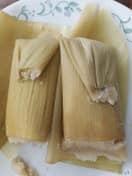
The same flour makes Venezuelan empanadas, and Mexican tamales are another maize-dough staple. For the cheese question in detail, see rennet.
How to verify
- Plain dough is precooked maize flour, water and salt.
- Ask what it is cooked in; oil and butter are fine.
- Pernil is pork; chicken and beef need Halal slaughter.
- For the white cheese, ask about or check the rennet.
Quick checks
- What is the filling?
- What rennet is in the cheese?
- What are they cooked in?
Frequently asked questions
Are arepas Halal?
Is precooked maize flour Halal?
Are arepas cooked in lard?
Scholarly view
Maize, water and salt are Halal. Cheese depends on its rennet: microbial or from a Halal-slaughtered animal is Halal, pork rennet is not, and rennet from a calf not slaughtered Islamically is a point of scholarly difference.
Sources
Named Islamic, certifier, manufacturer, and regulatory sources used on this page. Inline markers like [1] jump here. Retrieval dates show when we last checked the live URL. Editorial methodology.
Islamic / scriptural
Context / background
-
Wikipedia Retrieved
Culinary identity: Flatbread of ground maize dough from Colombia and Venezuela, served with cheese, meat or other fillings. Identity context, not a Halal certificate.


Browse this topic
Open the parent category hub for more foods in the same group.