

How to verify
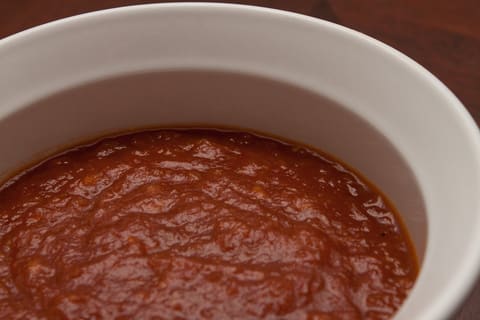
- Plain tomato-vinegar BBQ: tomato, vinegar, sugar/molasses, spices, smoke flavour.
- The two Kraft products cited here do not list Worcestershire, anchovy, beer, or whiskey.
- A front-label beer or bourbon name is not a ruling—read whether beer or whiskey appears as an ingredient.
- If beer or whiskey is listed, apply IslamQA 201520.
- Anchovy, if it ever appears, is fish—see anchovies and Worcestershire sauce for that bottle, not as a generic BBQ risk.
What decides the answer
-
Plain tomato-vinegar BBQ matching a current ingredient panel — by ingredient analysis
Halal -
Kraft Original Slow-Simmered and Kraft Sweet Honey Slow-Simmered (US, current manufacturer lists)
Halal -
A product that lists beer, whiskey, or other intoxicants as ingredients: apply IslamQA 201520; a flavour name alone is not that ruling
-
A product that lists Worcestershire or anchovy: judge that bottle on the Worcestershire/anchovy pages—not as a default BBQ check
Why this ruling
Barbecue sauce is Halal if verified because recipes vary. The two named Kraft US bottles below pass ingredient review; that evidence does not establish a universal verdict for every brand, restaurant recipe or country.
What's in plain BBQ sauce
Kraft Original Slow-Simmered Barbecue Sauce (US). High fructose corn syrup, tomato puree (water, tomato paste), vinegar, apple cider vinegar, molasses, modified food starch, salt, and less than 2% natural hickory smoke flavour, dried onion, mustard flour, spices, paprika, dried garlic, natural flavour, potassium sorbate (retrieved 25 August 2026).[4]
Kraft Sweet Honey Slow-Simmered Barbecue Sauce (US). High fructose corn syrup, vinegar, tomato puree (water, tomato paste), apple cider vinegar, modified food starch, molasses, salt, and less than 2% honey, natural hickory smoke flavour, mustard flour, spices, dried onion, paprika, dried garlic, natural flavour, potassium sorbate (retrieved 25 August 2026).[5]
Neither list beer, bourbon, whiskey, bacon, Worcestershire, or anchovy. Hickory smoke flavour is wood smoke, not bacon fat.
Vinegar, not khamr
The cited sauces use vinegar and apple cider vinegar. IslamQA 2283 records the dispute over deliberately made vinegar,[6] SeekersGuidance (Hanafi) permits it,[7] the Shafi'i answer allows following that view for commercial vinegar,[1] and IslamQA allows vinegar made by non-Muslims.[2] JAKIM certifies sauces made with vinegar.[3] See vinegar and ketchup.
Names vs ingredients vs fish
A beer or bourbon flavour name is marketing until the ingredient list names beer, whiskey, or wine. IslamQA 201520 applies to intoxicants whose traces remain in food, and the Permanent Committee forbids putting beer into condiments.[8] Not every bottle named after a drink contains it, so the answer depends on the ingredient list of the one you hold.
Worcestershire and anchovy matter only when a sauce lists them, and neither appears on the Kraft lists above. Anchovies are fish; Worcestershire sauce has its own vinegar-and-flavouring check.
Restaurant house BBQ that adds beer or bacon drippings is that kitchen’s recipe, not Kraft Original.
Realistic verification
- For the two named Kraft US products, the cited manufacturer lists are enough.
- Flavour names: read the ingredient line, not only the front label.
- Worcestershire/anchovy: only if listed on that product.
Where you'll find it
- Glaze for grilled ribs, chicken, and brisket
- Dipping sauce for fries and wings
- Burger and sandwich condiment
- Marinades and pulled-meat sandwiches
Frequently asked questions
Is ketchup-based BBQ sauce Halal?
Does vinegar from alcohol make BBQ sauce Haram?
Are Sweet Baby Ray’s or supermarket BBQ brands Halal?
Is a beer- or bourbon-named BBQ sauce automatically Haram?
Is Worcestershire or anchovy a generic BBQ problem?
Scholarly view
Tomato, sugar, molasses, vinegar, and spices are Halal. Distilled and cider vinegar in the cited Kraft sauces are ordinary commercial vinegar, which Halal certifiers accept in sauces. Worcestershire and anchovy are not a general BBQ concern: the two representative products do not list them.
It does not treat a beer- or bourbon-named bottle as automatically Haram. IslamQA 201520 applies when beer or whiskey remains as an ingredient with detectable traces, and the Permanent Committee forbids putting intoxicants into condiments. Marketing names are not khamr.
Sources
Named Islamic, certifier, manufacturer, and regulatory sources used on this page. Inline markers like [1] jump here. Retrieval dates show when we last checked the live URL. Editorial methodology.
Islamic / scriptural
-
Is vinegar permissible in the Shafi'i school?
SeekersGuidance (Shaykh Jamir Meah) Retrieved
Shafi'i, 17 March 2018: permissible on condition nothing external was added during fermentation; for commercial vinegar, where the process is hard to know, there is no harm in adopting the Hanafi position.
-
IslamQA Retrieved
Deliberately turning wine into vinegar is not permissible (citing Ibn Taymiyyah), but following Ibn 'Uthaymin, vinegar made by non-Muslims who believe it lawful, including vinegar imported from non-Muslim countries, is permissible for Muslims.
-
IslamQA 2283 — Is wine vinegar Halal?
IslamQA Retrieved
Self-transformed wine vinegar permissible by consensus; deliberate conversion is disputed.
-
SeekersGuidance — wine vinegar and spirit vinegar
SeekersGuidance Retrieved
Hanafi: vinegar from wines and spirits is permitted.
-
IslamQA 201520 — alcohol in food
IslamQA Retrieved
Remaining traces of an intoxicant in food are not Halal. Permanent Committee: it is not permitted to put beer or other intoxicants into condiments. A flavour name is not this ruling.
Manufacturer / product
-
Kraft Original Slow-Simmered Barbecue Sauce (US) — ingredients
Kraft Heinz / Kraft Sauces Retrieved
High fructose corn syrup, tomato puree (water, tomato paste), vinegar, apple cider vinegar, molasses, modified food starch, salt, less than 2% natural hickory smoke flavour, dried onion, mustard flour, spices, paprika, dried garlic, natural flavour, potassium sorbate. No beer, whiskey, Worcestershire, or anchovy.
-
Kraft Sweet Honey Slow-Simmered Barbecue Sauce (US) — ingredients
Kraft Heinz / Kraft Sauces Retrieved
High fructose corn syrup, vinegar, tomato puree (water, tomato paste), apple cider vinegar, modified food starch, molasses, salt, less than 2% honey, natural hickory smoke flavour, mustard flour, spices, dried onion, paprika, dried garlic, natural flavour, potassium sorbate. No beer, whiskey, Worcestershire, or anchovy.
Context / background
-
Kewpie Mayonnaise (Japanese Style) is Halal-certified (9 September 2015)
Halal Media Japan Retrieved
Kewpie mayonnaise made at its Malacca factory is Halal-certified by JAKIM; its ingredients include vinegar.
People also check
Related ingredients and products for this item.

.jpg)