
Why it is Haram
Gin is khamr. Juniper berries and other botanicals do not create a Halal exception once the product is an intoxicating distilled spirit. The prophetic principle that what intoxicates in quantity is Haram in small quantity covers shots, mixed drinks, and food deliberately prepared with gin.
Alcohol-free 'gin alternatives' are a different category and must be judged on their own labels (0.0% ABV claims, residual alcohol, and other ingredients).
Quranic guidance
-
Surah Al-Ma'idah 5:90
"O you who believe, indeed intoxicants, gambling, sacrificing on stone alters, and divining arrows are but defilement from the work of Satan, so avoid it."
Where it shows up
- Gin and tonic and other highballs
- Martinis, Negronis, and Gimlets
- Navy-strength and craft botanical gins
- Occasional culinary sauces and desserts
- Sloe gin and gin liqueurs
What decides the answer
-
All beverage gin (London Dry, Old Tom, Plymouth, navy strength)
Haram -
Gin cocktails and mixed drinks
Haram -
Food prepared with real gin — under mainstream practice
Haram -
Alcohol-free botanical 'gin alternatives': judge label for 0.0% ABV and additives
Why this ruling
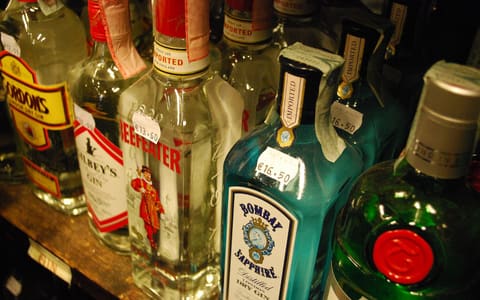
Gin is a juniper-forward distilled spirit made by distilling mash, redistilling spirits, or compounding neutral spirits with juniper berries and other botanicals (coriander, citrus peel, angelica, orris, and brand-specific aromatics). It moved from Dutch genever traditions into English London Dry styles and is now a global cocktail staple. In Islamic law the product category is straightforwardly Haram as an intoxicating drink.
Regulatory identity (why “it’s just botanicals” fails)
U.S. Alcohol and Tobacco Tax and Trade Bureau standards at 27 CFR § 5.144 define gin as distilled spirits flavoured so that the main characteristic flavour comes from juniper berries, bottled at not less than 40% alcohol by volume (80° proof) (retrieved 20 July 2026). Distilled gin may be further designated Dry, London, Old Tom, or combinations of those terms. That legal floor places commercial gin in the same spirit strength band as vodka and whiskey. Identity rules confirm what Muslims already know from taste and labels: gin is concentrated ethanol for beverage use, not a herbal tonic.
Quran 5:90 commands believers to avoid intoxicants. Combined with the prophetic rule that whatever intoxicates in large amounts is Haram in small amounts, shots of gin, gin cocktails, and cooking that deliberately adds gin all fall on the prohibited side.
Styles and culinary traps
London Dry / distilled gin — the classic crisp style used in gin and tonic and martinis; still ≥40% ABV.
Old Tom — historically slightly sweeter; still gin.
Plymouth and navy-strength — regional or higher-proof expressions; still intoxicants.
Sloe gin and gin liqueurs — sweetened, often lower ABV than dry gin, but alcoholic.
Gin in food — rare compared with wine or rum, but some chefs flambé with gin, deglaze pans, or soak dried fruit. Bakery “gin flavour” may mean alcohol extract. Ask or read.
Market differences change which brands and cocktails are popular, not the ruling. British supermarket London Dry, Spanish premium gin, Japanese craft gin, and airport duty-free bottles are the same category of intoxicant. Hotel bars sometimes list “botanical spritz” drinks that still contain a gin base—ask for the full build. “Gin essence” in desserts can mean synthetic esters or ethanol-based extract; only alcohol-free versions are substitute candidates, and you still check gelatin and emulsifiers on that dessert.
Substitutes when a recipe calls for gin
| Recipe role | Practical Halal swap |
|---|---|
| Gin and tonic | Tonic water with lime, cucumber, and non-alcoholic botanical mixer (0.0% verified) |
| Martini-style | Omit spirit; use olive brine and soda, or a certified 0.0% alternative |
| Pan sauce | Lemon juice, stock, and juniper-free herb aromatics—or skip the spirit step |
| Dessert soak | Sugar syrup with citrus zest; alcohol-free botanical flavour if labelled 0.0% |
Juniper berries as a culinary spice in small amounts in savoury cooking are not “gin.” The problem is the distilled alcoholic beverage, not the existence of the plant.
Realistic verification
- If the bottle or cocktail menu says gin, do not drink it.
- For food, ask “real gin or just botanical flavouring?” and check extract labels.
- Reject “the alcohol cooked off” as a Halal argument for spirit-dosed food.
- Treat navy-strength, flavoured gin, and sloe gin the same as London Dry for drinking rules.
How to verify
Check labels carefully for alternate names or derivatives linked to gin, and choose clearly Halal or plant-based alternatives instead.
Frequently asked questions
Is gin Halal if it is flavoured with juniper and herbs?
Does gin cook off in sauces?
What about non-alcoholic gin?
Is gin and tonic Haram even if I mostly drink the tonic?
Is sloe gin treated differently?
Sources
Named Islamic, certifier, manufacturer, and regulatory sources used on this page. Inline markers like [1] jump here. Retrieval dates show when we last checked the live URL. Editorial methodology.
Islamic / scriptural
-
-
Sahih Muslim 2003a — every intoxicant is khamr
Sahih Muslim (sunnah.com) Retrieved
Every intoxicant is khamr and every intoxicant is forbidden: the ruling covers spirits made from grain, grapes or anything else.
Regulatory / labelling
-
Retrieved