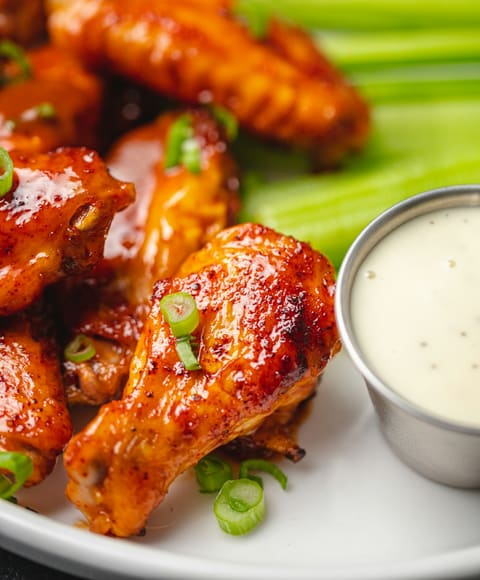
Wingstop sells chicken wings as a flavour platform: fry, toss in a wet sauce or dry rub, add fries and sides. Halal status is not controlled by flavour names (Garlic Parmesan, Lemon Pepper, Atomic, and so on)—it is controlled by which bird entered the fryer and whether that fryer and the sauces sit inside a certified system. The brand does not publish a single global Halal programme the way some Muslim-majority McDonald’s or KFC markets do.
Corporate and franchise information for menus and locations is available on the Wingstop site [1]. Menu marketing is not a Halal certificate. U.S. poultry supply remains under ordinary USDA FSIS inspection for hygiene [3], which again is not Islamic slaughter certification.
Franchise variance is the whole story
Wingstop illustrates franchise variance better than almost any other wing concept. The brand sells a flavour system (rubs, sauces, fryers) that can be run on Zabiha or non-Zabiha birds. Fiqh follows the actual slaughter and whether Haram fats or shared oil contaminate the rest of the menu. Because sauce recipes and fryer dedication are part of the product you eat, a “chicken-only” claim is incomplete unless the certificate says so.
In the ordinary U.S. franchise, chicken is conventionally slaughtered and equipment is shared. That alone places the restaurant outside certified-Halal practice for most consumers. Online lists sometimes highlight individual Wingstop stores that market “Halal chicken.” Those claims can be real—but they are store-level, time-limited, and often silent on fries and sauces. The only durable evidence is a current certificate from a recognised body that states the scope.
Wingstop in the UK
Wingstop UK answers the question on its own FAQ: it says all its Halal chickens are stunned before slaughter "in adherence to Islamic principles".[2] That makes the UK chicken a stunned-Halal supply. The FAQ names no certifier and does not say whether sauces, fries or every UK restaurant are covered, so the certificate on the wall is still the check. Scholars and certifiers differ on stunning before slaughter; the Chicken page sets out that question.
Sauces, boneless pieces, and fries
Sauces deserve a separate check. Wingstop’s commercial flavour system is part of what you eat; if a certificate covers only raw chicken delivery and not the finished sauced product or shared oil, the meal is only partially audited. Boneless wings are still chicken products cooked in the same kitchen system—they are not a loophole. Fries in uncertified stores are usually fried alongside chicken; only dedicated oil or a certificate that includes fries makes them a safe side.
Verification ritual (short and strict)
- Certificate from a named body.
- Issue or expiry date that is still current.
- Scope: chicken / fryers / sauces / fries.
- No document → no upgrade from Market-dependent.
When you want wings without the research, pick a shop that already posts the paperwork on the door, or cook certified frozen wings at home in a clean fryer. Cross-check with Chicken, KFC, and Chick-fil-A for how slaughter and shared oil decide restaurant rulings.
Travel and delivery caveats
Delivery apps often recycle old “Halal Wingstop” listicles. Those posts go stale when a franchise changes suppliers or loses a certificate. Verify the store that will cook your order—not a screenshot from another city. Airport and stadium kiosks almost never inherit a suburban franchise’s Halal paperwork even when they share the logo.