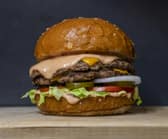

Is Chick-fil-A Halal?
No — this one is Haram.
Chick-fil-A's customer-support FAQ answers the question directly: "At this time, we do not have menu items that meet Halal standards." The chicken is not sold as Halal in either country it trades in: the UK site says its restaurants serve only UK chicken and are Red Tractor assured, a food-safety and welfare scheme rather than a Halal one, and makes no Halal claim.
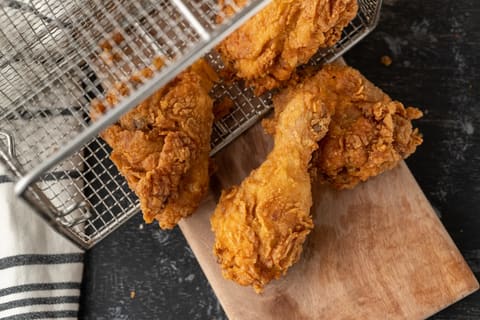
Why it is Haram
Chick-fil-A's brand story (closed Sundays, Christian founding ethos) is irrelevant to fiqh. The dietary question is slaughter method, what goes into breading and sauces, and whether cooking and prep are separated. The company's own answer is that no menu item meets Halal standards, and 'no pork on my sandwich' does not change that.
Where it shows up
- Chicken sandwiches and nuggets
- Waffle fries
- Breakfast chicken items
- Sauces and salads
What decides the answer
-
Chick-fil-A chicken and other menu items
not Halal, per Chick-fil-A's FAQ -
UK restaurants: UK chicken, Red Tractor assured, no Halal claim
not Halal -
Waffle fries: plant ingredients cooked in canola oil, but in kitchens the company describes as shared, and not claimed as Halal
Why this ruling
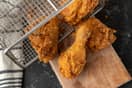
Chick-fil-A is a US chicken-sandwich chain known for breaded fillets, nuggets, waffle fries and breakfast chicken items. The company answers the Halal question itself. Its customer-support FAQ says: "At this time, we do not have menu items that meet Halal standards." [1] The FAQ is undated and names no country; it sits on the US site, chick-fil-a.com. So Chick-fil-A is not Halal: the company says so itself.
Food-safety inspection of poultry in the United States is a separate regulatory track under USDA FSIS [6]. Inspection is not zabiha.
What the company says about the kitchen
- Chicken: Chick-fil-A says it cooks its hand-breaded chicken "exclusively in fully refined, heat-processed peanut oil". [3] It does not say the chicken is Halal, and its Halal FAQ says no menu item is.
- Waffle fries: the product page says they are "cooked in canola oil" and lists potatoes, canola and other vegetable oils, starches, rice flour, salt and leavening. [2] That list has no animal ingredient, and the oil named is not the chicken's peanut oil.
- Shared areas: the same FAQ says the company uses "shared cooking and preparation areas" and cannot ensure food is free from any allergen. [3] That wording is about allergens, but it is the company's own description of how the kitchen works.
So the fries are the one item where the ingredient list is not the problem. What's left is cross-contact in a kitchen the company describes as shared, and the company's own statement that nothing on the menu meets Halal standards. Whether that cross-contact is acceptable is a question for your own school or scholar; Chick-fil-A does not claim the fries are Halal.
Brand story is not fiqh
Chick-fil-A's public brand story (closed Sundays, Christian founding ethos) is irrelevant to dietary law. The dietary questions are slaughter method, what goes into breading and sauces, and whether cooking and prep are separated. The company's answer covers all of that in one line: no menu item meets Halal standards.
In the UK
Chick-fil-A now has restaurants in the UK, and its UK site makes no Halal claim. It says its restaurants "will only serve chicken sourced from the UK" and are Red Tractor assured. [4] Red Tractor covers food safety, hygiene, animal welfare and the environment; it is not a Halal scheme. The UK menu's Grilled Chicken Club Sandwich also comes with bacon, and the page doesn't say what the bacon is made from. [5] With no Halal statement or certificate on the UK site, the company's own answer stands there too: no menu item meets Halal standards.
What to do instead
For everyday eating, Chick-fil-A is the wrong tool when you need certified fried chicken. Use a restaurant that shows a current certificate covering birds and fryers, or buy zabiha chicken and make the sandwich at home: same craving, clearer evidence. Compare market-dependent pages such as KFC and McDonald's for how national Halal programmes change the same menu category.
Realistic verification checklist
- Read the company's own Halal FAQ first. [1]
- In the UK, the official site makes no Halal claim; nothing changes unless a restaurant shows a current certificate naming its certifier.
- Ignore verbal "it's chicken, so it's fine" answers.
- Prefer Halal home cooking when the restaurant cannot produce paperwork.
How to verify
Check labels carefully for alternate names or derivatives linked to Chick-fil-A, and choose clearly Halal or plant-based alternatives instead.
Frequently asked questions
Is Chick-fil-A chicken Halal or zabiha?
Is Chick-fil-A Halal in the UK?
Are Chick-fil-A waffle fries Halal?
Does Chick-fil-A use pork?
Is there a Halal Chick-fil-A?
What should I order instead?
Sources
Named Islamic, certifier, manufacturer, and regulatory sources used on this page. Inline markers like [1] jump here. Retrieval dates show when we last checked the live URL. Editorial methodology.
Manufacturer / product
-
Does Chick-fil-A have any menu items that meet Halal standards?
Chick-fil-A Retrieved
Says: "At this time, we do not have menu items that meet Halal standards." Customer-support FAQ on chick-fil-a.com. Undated, and it names no country.
-
Waffle Potato Fries: nutrition and ingredients
Chick-fil-A Retrieved
Says: "Waffle-cut potatoes cooked in canola oil until crispy outside and tender inside." Lists the fries' ingredients (potatoes, canola and vegetable oils, starches, rice flour, salt, leavening, dextrin, xanthan gum, dextrose).
-
Does Chick-fil-A use peanut oil?
Chick-fil-A Retrieved
Says: "Due to the handcrafted nature of our food, variations in our supplier ingredients, and our use of shared cooking and preparation areas, we cannot ensure that our food is free from any allergens." Also says the hand-breaded chicken is cooked in fully refined peanut oil.
-
Chick-fil-A UK Retrieved
Says: "Chick-fil-A Restaurants will only serve chicken sourced from the UK, and we are Red Tractor assured." No Halal statement on this page, the home page, customer support, the menu or nutrition and allergens (checked 7 October 2026).
-
Chick-fil-A Grilled Chicken Club Sandwich (UK menu)
Chick-fil-A UK Retrieved
Lists grilled chicken, a toasted wheat bun, cheddar cheese, bacon, lettuce and tomato. The page does not say what the bacon is made from.
Regulatory / labelling
-
U.S. Department of Agriculture — FSIS Retrieved