

The Importance of Halal Certification: What Does It Mean?
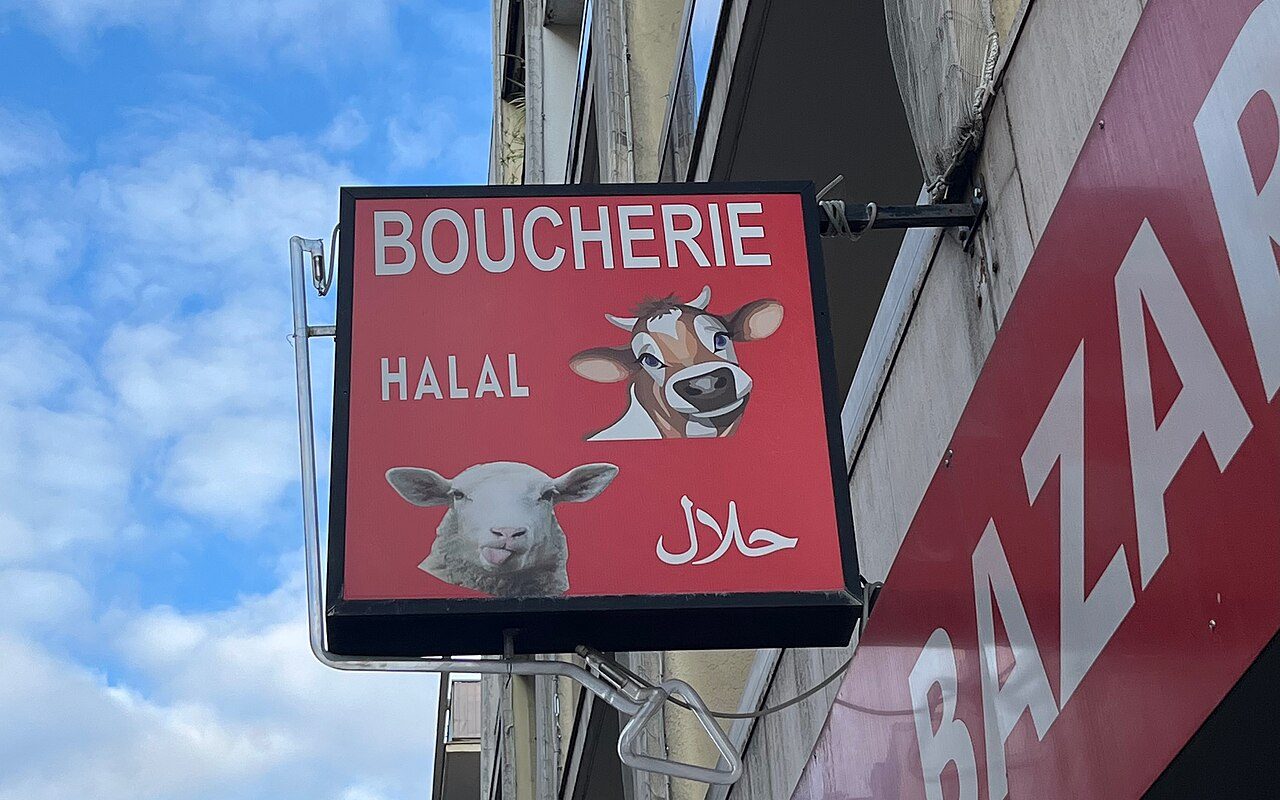
Photo: Astacoid · CC BY-SA 4.0

Learn what Halal certification covers, how logos differ from valid certificates, and how to verify the certifier, product, facility, and expiry.
A printed Halal logo on a pack is a claim about certification—not automatic proof that the certificate is current, covers that exact product, or is recognised where you shop. Understanding what certification usually involves, and how to check it in an official directory, helps Muslim consumers make more informed choices. Browse related items in our certification-sensitive foods hub, or go straight to the certifier profiles and how to check a Halal certificate.
What is Halal Certification?
Halal certification is a formal process through which a product, service, or facility is assessed against a certifier’s Islamic dietary standards. The word “Halal” means “permissible” in Arabic. A certificate signals that the named scope (product, premises, or scheme) was accepted by that body at the time of issue—not that every similar product worldwide shares the same status.
The Certification Process
Reputable certification bodies typically follow a structured programme. Exact steps, documents, and audit frequency vary by organisation and scheme, so treat the outline below as a common pattern rather than a universal guarantee.
1. Application and Documentation
The process usually begins with an application that may include:
- Ingredient lists and declared sources
- Manufacturing process details
- Facility information and cleaning procedures
- Supplier information and their Halal status where relevant
- Quality-control procedures
2. Ingredient Review
Certifiers typically review ingredients against their standards, which commonly exclude:
- Pork and pork derivatives
- Alcohol and alcohol-based ingredients (rules differ by body and use-case)
- Animal products that do not meet the body’s slaughter and sourcing rules
- Uncontrolled cross-contamination with non-Halal materials
3. Facility Inspection
Many schemes include on-site inspection to check points such as:
- Whether production meets the scheme’s Halal controls
- Separation of Halal and non-Halal lines where required
- Cleaning procedures intended to reduce cross-contamination
- Staff awareness of Halal handling requirements
4. Ongoing Monitoring
Certification is usually time-limited. Continued compliance may involve:
- Periodic facility inspections
- Review of ingredient or process changes
- Process monitoring
- Spot checks or product testing where the scheme requires it
Always confirm the current status and expiry in the certifier’s official directory rather than relying on packaging alone.
Types of Halal Certification
1. Product Certification
Individual products or products are certified as Halal. This is a common type for packaged foods and beverages. A logo on one flavour or size does not automatically cover another.
2. Facility Certification
A manufacturing site may be certified for defined operations. That does not always mean every product leaving the site is covered—check the certificate scope.
3. Restaurant and Food Service Certification
Restaurants, catering services, and other food-service establishments can obtain certification for named premises and menus under a given scheme.
4. Supply Chain Certification
Some programmes extend further along the supply chain (ingredients, processing, logistics). Coverage still depends on what the certificate explicitly lists.
Recognised Halal Certification Bodies
Many organisations issue Halal marks. Recognition is jurisdictional: a logo accepted in one country may not be accepted in another. Examples of well-known national or specialist bodies include:
National and specialist bodies (examples)
- JAKIM (Malaysia): Department of Islamic Development Malaysia — public checks via Portal Halal Malaysia (MYeHALAL)
- MUIS (Singapore): Islamic Religious Council of Singapore — Halal certification overview
- IFANCA (USA): Islamic Food and Nutrition Council of America — ifanca.org
- HMC (UK): Halal Monitoring Committee — halalhmc.org
- HFSAA and other national bodies: Australia and other markets have multiple certifiers; verify the specific mark on your pack against that body’s directory
Standards and regional frameworks (not consumer logos)
- OIC/SMIIC: The Standards and Metrology Institute for Islamic Countries develops Halal-related standards used by many certification schemes (smiic.org)
- GSO (Gulf Cooperation Council): Regional standardisation work that can influence Gulf market requirements
- Codex Alimentarius: International food-standards guidance; Codex does not issue Halal product certificates to consumers
What a Printed Halal Logo Means — and What It Does Not
A Halal logo on packaging usually claims that a named certifier has approved a defined scope. It does not, by itself, prove that:
- The certificate is still valid (it may be expired, suspended, or withdrawn)
- The logo matches the exact product and facility in front of you
- The certifier is recognised in your jurisdiction or by the retailer/importer you rely on
- The mark is genuine (counterfeit or misapplied logos exist)
- Every item from the same brand or factory is covered
Treat the logo as a starting point. Trust a currently valid certificate record in an official directory that matches certifier, product, facility, jurisdiction, and expiry.
Benefits of Halal Certification
For Consumers
- Clearer labelling: Easier to spot products that claim third-party Halal review
- Audit trail: A named body and certificate number you can check
- Reduced guesswork: Less reliance on brand marketing alone—when verification succeeds
For Manufacturers
- Market access: Some Muslim-majority markets and retailers prefer or require recognised certification for certain categories
- Differentiation: A verified mark can distinguish a product from uncertified alternatives
- Process discipline: Certification programmes often require documented ingredient and facility controls
Market outcomes vary by country, category, and which body is recognised. This site does not claim that certification always “pays for itself.”
Common Misconceptions About Halal Certification
1. “Halal means the same as Kosher”
Halal and Kosher share some overlapping concerns, but they have different rules and certification systems. A product can be Kosher but not Halal, and vice versa.
2. “All Muslim-owned businesses are automatically Halal”
Ownership does not guarantee Halal compliance. Certification (or careful ingredient and process control) is about what is used and how it is handled, not who owns the business.
3. “Halal certification is only for meat products”
Certification schemes often cover packaged foods, beverages, restaurants, and sometimes cosmetics or other categories—depending on the body.
4. “A logo on the pack is enough”
A logo is a claim. Expired certificates, limited scopes, unrecognised foreign marks, and counterfeit logos are reasons to verify in an official directory before treating the product as currently certified for your needs.
How to Verify Halal Certification
Use this checklist when a product or restaurant displays a Halal mark:
- Identify the certifier: Note the organisation name and any certificate or logo ID on the pack or premises notice.
- Confirm recognition in your jurisdiction: Check whether that body is accepted where you live or shop (for example, national authorities publish lists of recognised foreign certifiers).
- Match the exact product: Confirm the directory entry covers the exact product name, flavour, or code—not only the brand.
- Match facility / premises: For restaurants and factories, confirm the address or plant named on the certificate.
- Check expiry and status: Ensure the record is active (not expired, suspended, or withdrawn).
- Use the official directory: Prefer the certifier’s public database (for example JAKIM’s MYeHALAL portal) over social-media images or retailer claims alone.
- Ask the manufacturer or outlet: Request certificate details if the pack only shows a vague mark.
Conclusion
Halal certification is a structured way for a named body to assess ingredients, processes, and premises against its standards. For consumers, it is most useful when paired with verification: a printed logo is not the same as a currently valid certificate for that product, facility, and market.
Understanding what certification claims—and how to check certifier, product, facility, jurisdiction, and expiry—supports better shopping decisions than assuming every Halal logo equals thorough, ongoing approval.
For ingredient-level questions, use our search tool, browse the certification-sensitive foods hub, or compare brand pages such as McDonald's, Hershey's, and KitKat.
Sources
- JAKIM — Portal Halal Malaysia (MYeHALAL) (retrieved 21 July 2026)
- JAKIM / Department of Islamic Development Malaysia — islam.gov.my (retrieved 21 July 2026)
- MUIS — Halal certification (Singapore) (retrieved 21 July 2026)
- IFANCA — ifanca.org (retrieved 21 July 2026)
- Halal Monitoring Committee (HMC) — halalhmc.org (retrieved 21 July 2026)
- SMIIC (OIC) — smiic.org (retrieved 21 July 2026)