

10 Everyday Foods That May Not Be Halal — What to Check
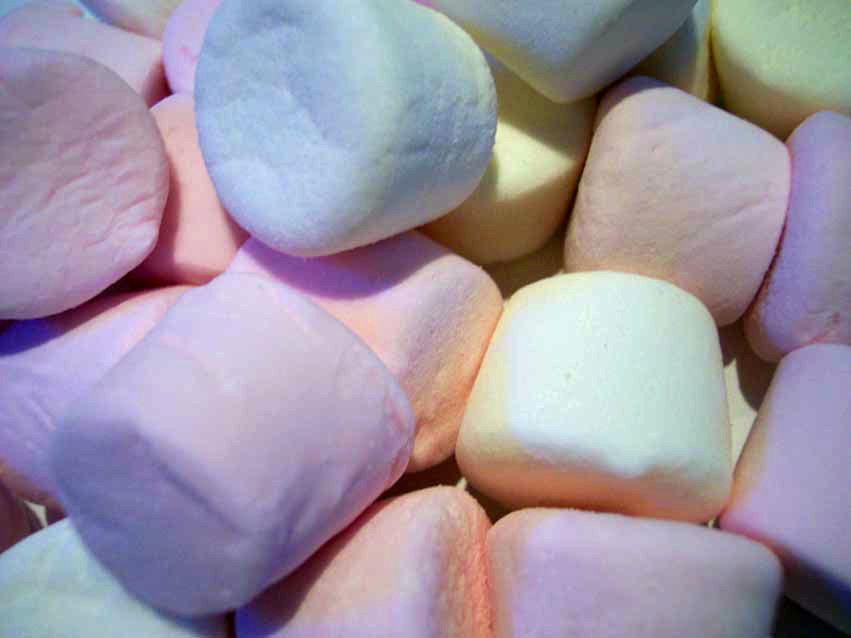
Ten everyday foods that may not be Halal — gelatin sweets, liquor chocolate, rum ice cream — and the label check for each, without writing off whole categories.
Pork and drinking alcohol are always Haram. Most supermarket questions are not: a named variant can be Haram while the rest of the category stays Halal or Halal if verified. This guide answers “what everyday foods may not be Halal?” with ten common foods—not a blanket “these foods are Haram” list.
How this differs from our label guide: this article is the broad foods list. For how to read five high-risk ingredient names (gelatin, L-cysteine, E471, rennet, alcohol-carried flavours), use 5 Label Ingredients to Verify for Halal Shopping.
Status words on this site: Halal (baseline OK), Halal if verified (confirm this pack), Scholarly difference (follow your school), and Market-dependent (country/product). See our editorial methodology.
1. Marshmallows and gummy sweets
Haram variant: marshmallows or gummies made with pork gelatin.
Category answer: Halal if verified — sugar and air are not the issue; gelatin species is.
Pork gelatin is Haram under the Qur’anic prohibition of swine (Qur’an 5:3, retrieved 12 August 2026). Fish gelatin is accepted in mainstream practice because fish do not require zabiha slaughter; Halal-slaughtered beef gelatin needs an audited Halal pathway. The word gelatin alone doesn't tell you the animal, so look for species wording, a Halal mark, or a plant gel (agar, pectin). Named example: standard North American Jell-O gelatin dessert lists gelatin without a Halal species claim (retrieved 12 August 2026). Species rules and the informal “E441” nickname live on the label-ingredients guide and the gelatin page. Also: gummy bears.
Decision steps: (1) Read for pork / beef / fish / plant gel. (2) Prefer Halal-certified or clearly vegan marshmallows. (3) Do not assume a kosher mark answers every Halal gelatin question.
2. Cheese and dairy enzymes
Haram variant: cheese set with porcine enzymes, or—under certifier practice and many schools—non-zabiha calf rennet.
Category answer: Halal if verified where the coagulant is opaque; scholarly difference exists on animal rennet from non-zabiha calves.
Rennet (chymosin) coagulates milk. Microbial rennet and fermentation-produced chymosin (FPC) are widely accepted by Halal programmes when audited. Plant (thistle) coagulants are Halal. Traditional calf rennet is Halal under certifier practice only with Halal slaughter. Classical Hanafi discussion is more permissive on non-pig animal rennet in some rulings (SeekersGuidance / IslamQA org, retrieved 12 August 2026)—so do not flatten “animal rennet = automatically Haram.” Prefer “vegetarian enzyme,” “microbial rennet,” or a Halal mark. Enzyme-label detail: 5 label ingredients and rennet.
Decision steps: (1) Look for vegetarian/microbial wording or Halal certification. (2) Treat bare “enzymes” as unverified. (3) Follow your school where animal rennet remains disputed.
3. Worcestershire sauce
Haram variant: a Worcestershire-style sauce that lists wine or added ethanol, or is sold as an alcoholic condiment.
Category answer: Halal if verified — not because of the anchovies.
Anchovies are scaled fish. Seafood hunting and food from the sea are lawful in the Qur’an (Qur’an 5:96, retrieved 12 August 2026); fish do not require zabiha slaughter. Our anchovies page is Halal. The current US Lea & Perrins Original ingredient page lists distilled white vinegar and anchovies, not added ethanol (Kraft Heinz / Lea & Perrins, retrieved 16 August 2026). What can still matter is the vinegar, which is a scholarly difference (the Hanafi school and Indonesia's MUI permit commercial vinegar; the classical Shafi'i rule and Malaysia's fatwa body do not; see vinegar), unnamed natural flavourings, and formulas that differ by market. Completed vinegar is not the same product as wine.
Decision steps: (1) Do not demand Halal “processing certification” for the anchovy itself. (2) Read vinegar/alcohol notes; prefer a Halal-certified bottle when flavourings are opaque. (3) Substitute soy/tamari or a homemade tamarind–molasses–vinegar mix when unsure.
4. Commercial bread and soft bakery
Haram variant: industrial bread using porcine L-cysteine (E920), or traditional recipes that still use lard (some biscuits and tortillas).
Category answer: Bread is Halal in its basic form (flour, water, yeast, salt). Commercial improvers are the check.
L-cysteine can come from synthetic/microbial routes (widely accepted), feathers (often accepted after audit), human hair (rejected by most certifiers), or porcine material (Haram). Labels rarely name the feedstock (Askimam 19249, retrieved 12 August 2026). Short-ingredient artisan breads often skip E920. Source rules for E920 (and for opaque E471 emulsifiers) are in the label-ingredients guide; this page only flags the foods those additives show up in. Label literacy: FDA food labelling (retrieved 20 July 2026).
Decision steps: (1) Scan for E920 / L-cysteine, and for lard/shortening in traditional recipes. (2) Ask the bakery: synthetic, microbial, feather, or other? (3) Prefer certified or short-label loaves when the improver list is opaque.
5. Chocolate
Haram variant: liquor-filled chocolates (whiskey ganache, rum truffles, brandy centres).
Category answer: Plain milk and dark chocolate is Halal. Emulsifiers and decorations are product checks, not a reason to ban the aisle.
Cocoa, sugar, cocoa butter, and milk are Halal. US identity for milk chocolate is about composition, not Haram additives (21 CFR § 163.130, retrieved 16 August 2026). Soy lecithin is usually fine; bare animal mono-/diglycerides need verification (E471 — see the label guide). Deliberately added intoxicants in food remain a problem (IslamQA 148690, retrieved 16 August 2026). Shared equipment is a question for the certifier: a shared-line note does not make a bar Haram on its own.
Decision steps: (1) Read emulsifiers and fillings. (2) Skip spirit centres. (3) Use a Halal mark when the label is opaque.
6. Ice cream
Haram variant: rum raisin, bourbon, amaretto, or wine-infused flavours that contain real liquor. Named example: Häagen-Dazs Rum Raisin lists rum and 1.5% alcohol by volume (retrieved 15 August 2026).
Category answer: Halal if verified — the dairy base is Halal; additives and liquor flavours decide.
Watch gelatin in marshmallow swirls (same pork-gelatin rule as §1), carmine (E120) in some pink flavours (scholarly difference—see carmine), and undisclosed E471. Trace vanilla extract in food is a scholarly difference (IslamQA 177030, retrieved 15 August 2026); alcohol-free vanilla clears the strict view. Gelatin, E471, and extract-alcohol names are unpacked in the label-ingredients guide; this section only names the ice-cream variants.
Decision steps: (1) Skip real-liquor flavours. (2) Check swirls for gelatin. (3) Prefer plain short labels or Halal-certified lines.
7. Salad dressings and compound sauces
Haram variant: wine vinaigrette or any dressing that lists wine, sherry, or added ethanol as an ingredient (wine is Haram to drink—Qur’an 5:90, retrieved 12 August 2026).
Category answer: Product-dependent — do not treat anchovies as needing Halal slaughter.
Caesar-style dressings often include anchovies (Halal fish—Qur’an 5:96; anchovies). The usual open questions are Parmesan rennet, Worcestershire brand formula, remaining wine, or animal emulsifiers—not “uncertified fish.” Completed vinegar (including many wine vinegars after transformation) is a different product from a bottle that still lists wine. Make your own oil–lemon–garlic dressing when the bottle is opaque. Rennet and alcohol-carried flavours: label-ingredients guide.
Decision steps: (1) Anchovy = not the problem. (2) Reject dressings that list wine/spirits as remaining ingredients. (3) Audit cheese, Worcestershire, and emulsifiers, or use a short DIY formula.
8. Energy drinks and soft sodas
Haram variant: alcoholic lookalikes sold under similar branding—for example Monster Brewing’s The Beast Unleashed Mean Green (retrieved 2 August 2026), an alcoholic hard beverage, not a soft energy drink.
Category answer: Typical synthetic energy drinks are Halal when the can shows no animal-derived or intoxicating ingredients. Read the exact can.
Mainstream energy drinks use caffeine, synthetic taurine, vitamins, and sweeteners. Red Bull states its taurine, caffeine, and vitamins are synthetically produced and not of animal origin (Red Bull ingredient FAQ, retrieved 2 August 2026). Caffeine itself raises no Halal question. Watch novelty colours (carmine—scholarly difference) and gelatin. Health caution about high caffeine is not the same as a Haram ruling.
Decision steps: (1) Confirm the soft (non-alcoholic) product. (2) Scan for carmine/gelatin. (3) Prefer certified cans only if your practice requires marks.
9. Breakfast cereals
Haram variant: cereals with pork-gelatin marshmallow pieces (the same gelatin rule as marshmallows in §1).
Category answer: Grain–sugar bases are usually Halal. Check gelatin coatings, flavours, and animal additives; vitamin D3 is rarely the problem.
Vitamin D3 is often made from lanolin (wool grease) washed from living sheep’s wool—not from slaughter. Mainstream rulings treat lanolin from sheep’s wool as permissible (IslamQA 257648, retrieved 12 August 2026); Hanafi fatwa practice similarly treats wool-derived D3 as Halal (Darul Iftaa Birmingham via IslamQA.org, retrieved 12 August 2026). The wool comes from living sheep, so slaughter does not come into it. Stricter shoppers can choose lichen/vegan D3. Still read for gelatin, alcohol flavours, or animal glycerides where listed.
Decision steps: (1) Read the full ingredient list, especially marshmallow bits. (2) Treat unnamed gelatin as Halal if verified. (3) Do not mark cereal Haram solely for lanolin D3.
10. Supplements and vitamin capsules
Haram variant: pork-gelatin capsules and softgels.
Category answer: Halal if verified when the shell uses gelatin; D3 source as in §9.
Gelatin shells follow the same pork / beef / fish rules as sweets (gelatin; Qur’an 5:3, retrieved 12 August 2026). Ask pharmacies for HPMC (vegetarian) capsules. Certifier directories (e.g. IFANCA, JAKIM MYeHALAL, retrieved 12 August 2026) help when a logo is present—verify scope and expiry, not the printed mark alone (Halal certification explained). Species detail for gelatin is in the label-ingredients guide.
Decision steps: (1) Capsule material first. (2) Confirm D3 if you follow a strict wool view. (3) Prefer Halal-certified or clearly vegetarian supplements.
Quick checklist
- Name the variant that can be Haram (pork gelatin, liquor filling, wine on the label)—not the whole food category.
- Prefer species, vegetarian/microbial, or Halal mark wording over guesses.
- Separate fish (no zabiha) from land animal slaughter questions (Qur’an 5:96).
- Record scholarly difference where schools disagree; follow your authority.
- For ingredient names on a pack, use the five-ingredient label guide. For the exact food page, use our search tool.
Conclusion
These ten foods reward careful labels—not fear. Anchovies in sauces are Halal fish; pork gelatin, unverified animal enzymes, emulsifier source, and real alcohol are the usual decision points. When a claim needs a named source, the citations above and our linked food pages carry the evidence trail.
Sources
- Qur’an 5:3 — quran.com/5/3 (retrieved 12 August 2026)
- Qur’an 5:90 — quran.com/5/90 (retrieved 12 August 2026)
- Qur’an 5:96 — quran.com/5/96 (retrieved 12 August 2026)
- Kraft Heinz — Jell-O Zero Sugar Strawberry Gelatin ingredients (retrieved 12 August 2026)
- Kraft Heinz — Lea & Perrins Original Worcestershire Sauce (US) ingredients (retrieved 16 August 2026)
- SeekersGuidance (via IslamQA.org) — Is rennet in cheese Halal? (retrieved 12 August 2026)
- Askimam 19249 — Is L-cysteine permissible? (retrieved 12 August 2026)
- FDA — Food labelling & nutrition (retrieved 20 July 2026)
- U.S. eCFR — 21 CFR § 163.130 Milk chocolate (retrieved 16 August 2026)
- IslamQA 148690 — Alcohol in food (retrieved 16 August 2026)
- IslamQA 177030 — Vanilla extract (retrieved 15 August 2026)
- Häagen-Dazs — Rum Raisin ice cream (retrieved 15 August 2026)
- Red Bull — Where do the ingredients come from? (retrieved 2 August 2026)
- Monster Brewing — The Beast Unleashed Mean Green (retrieved 2 August 2026)
- IslamQA 257648 — Lanolin in food (retrieved 12 August 2026)
- Darul Iftaa Birmingham (via IslamQA.org) — Vitamin D3 from sheep wool (retrieved 12 August 2026)
- IFANCA — ifanca.org (retrieved 12 August 2026)
- JAKIM — Portal Halal Malaysia (MYeHALAL) (retrieved 12 August 2026)