

Halal Baking Swaps: Lard, Suet, Gelatin, Carmine and E471
The five baking ingredients that decide if a cake, pastry or jelly is Halal, and what to use instead: butter for lard, agar or Halal gelatin, juice-based reds.
In baking, the Halal questions are rarely about the flour or the sugar. They sit in two places: the fat that makes pastry short and flaky, and the setting agent that makes a jelly, a mousse or a marshmallow hold. Add one colour, carmine, and one emulsifier, E471, and you have the five ingredients that decide most bakes.
1. Lard
Lard is rendered pork fat, so it is Haram. It turns up in traditional pie and pastry recipes, some supermarket pastries and biscuits, Maltese pastizzi and British savoury pies. Butter or ghee replaces it with more flavour; a vegetable shortening gives the most tender crust. Our pork-fat-free pastizzi and figolla recipes are built on these swaps.
2. Suet and dripping
Beef suet and dripping come from a Halal species, but outside Muslim-majority countries they are rarely from Halal slaughter. They go into Christmas puddings, dumplings and traditional chip-shop fryers. Vegetable suet, butter or oil is the easy swap; beef suet from a Halal butcher is the other.
3. Gelatin
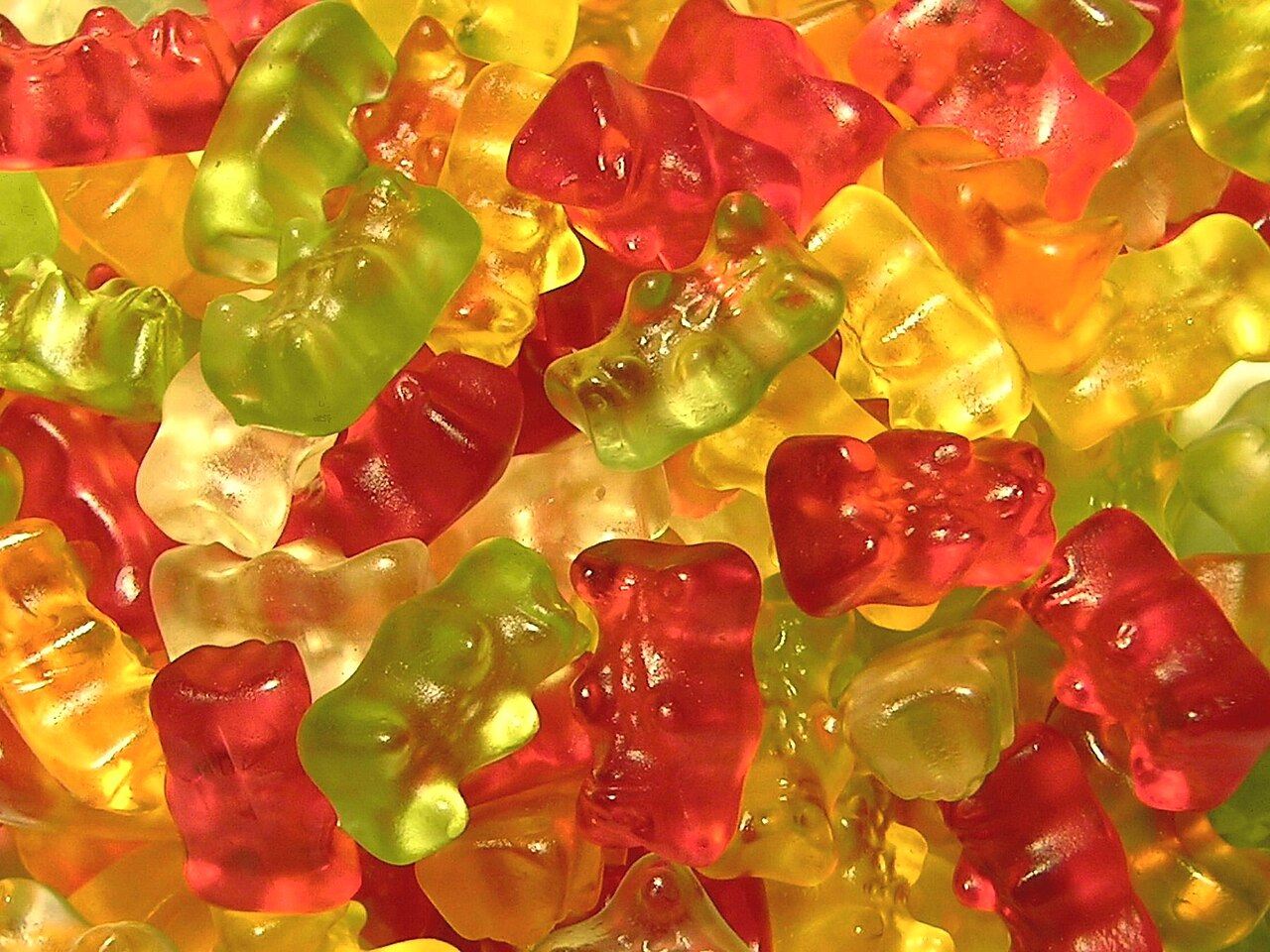
Gelatin sets jellies, cheesecakes, mousses, marshmallows and gummy sweets. Most commercial gelatin comes from pork skin or from beef not slaughtered Islamically, so it is "Halal if verified" until the pack names a Halal source. Halal-certified bovine or fish gelatin swaps one for one, as in our Halal marshmallows and gummy bears. Agar-agar, from seaweed, and pectin, from fruit, are plant options, but they set differently: agar is firmer and shorter, and pectin needs sugar and acid. Use a recipe written for them rather than swapping gram for gram.
4. Carmine (E120)
Carmine, also sold as cochineal, E120 or Natural Red 4, is the red in some icings, yoghurts and pink or red sweets. It is made from cochineal insects, and scholars differ: Indonesia's MUI and Jordan's General Iftaa' Department allow it under stated conditions, while many jurists who forbid eating insects do not. The carmine page sets out both. Beetroot, paprika extract and synthetic reds sidestep the question, and fruit juice colours homemade sweets.
5. E471
E471, mono- and diglycerides of fatty acids, keeps bread soft and cake crumb even and shows up in margarine, shortening and ready-made icing. It is Halal from plant oils or synthesis and Haram from pork or non-Halal-slaughtered animals. Because labels rarely say which, uncertified products are doubtful until a vegetarian claim, a Halal mark or the maker settles it.
A quick label check before baking
- Fats: lard, dripping, suet, "animal fat" or "animal shortening".
- Setting agents: gelatin, gelatine, E441 on older lists.
- Colours: carmine, cochineal, E120.
- Emulsifiers: E471 and E472 variants, unless vegetarian or Halal-marked.
- Flavourings: rum, brandy, liqueur or alcohol-based vanilla; see our guide to Halal substitutes for wine and spirits in cooking.
Sources
- Qur'an 5:3 — quran.com/5/3 (retrieved 28 September 2026)
- EU — Regulation (EC) No 853/2004 (gelatine) (retrieved 28 September 2026)
- US eCFR — 21 CFR 184.1115 (agar-agar) (retrieved 28 September 2026)
- SANHA — E440(a) pectin (retrieved 28 September 2026)
- LPPOM MUI — MUI cochineal fatwa decision (retrieved 28 September 2026)
- General Iftaa' Department, Jordan — Ruling on carmine (E120) (retrieved 28 September 2026)
- IslamWeb 90369 — The ingredient carmine (retrieved 28 September 2026)
- EFSA — Re-evaluation of E471 (retrieved 28 September 2026)