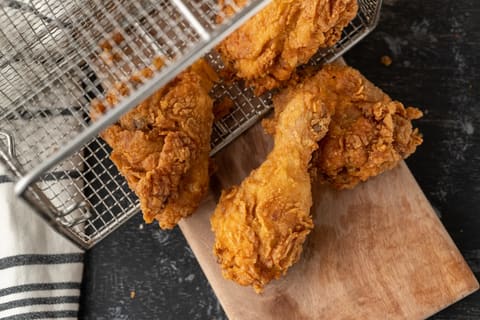
KFC (Kentucky Fried Chicken) sells fried chicken through a global franchise network with very different slaughter and kitchen rules. In Muslim-majority markets the chain is often built around local Halal certification; in the United States and most of Europe it is a conventional quick-service chicken restaurant. The logo does not carry the certificate across borders.
Brand and market sites (for example kfc.com)[1] publish menus and local promotions. For Halal evidence you need the national certifier mark or a named policy page—not the bucket logo. Malaysia’s JAKIM portal remains a reference point for how national Halal systems publish certified premises [4]. U.S. poultry hygiene inspection under USDA FSIS [5] is not Zabiha.
Certified markets vs uncertified markets
Where KFC is certified, the practical evidence is the national or recognised mark and the local company’s policy page: chicken supply is constrained to audited slaughter, pork is typically absent, and restaurant controls are part of the same system. Malaysia and Indonesia are the clearest long-running examples consumers cite; other Muslim-majority markets follow their own authorities. That is the pattern to trust—named certifier, current mark, whole-kitchen scope.
Where KFC is not certified, this site does not treat kfc.com or USDA FSIS as proof of a named slaughter method or fryer map. The US brand site publishes menus, not a Halal slaughter certificate; USDA FSIS inspects hygiene, not Zabiha. [1][5] Absent a franchise-level certificate, US/Canadian (and typical uncertified European) outlets are treated as unverified conventional poultry with unpublished fryer controls—ask the store, or choose a dedicated Halal fried-chicken restaurant.
United Kingdom — store-level mix. KFC UK’s official Halal page states there are around 1,000 KFC restaurants in the UK and Ireland and around 200 in the UK currently serve Halal food (the same page also writes over 200 Halal restaurants) (kfc.co.uk/halal, retrieved 15 August 2026). That is a live, drifting figure—this page does not invent a more precise outlet total. Use the Halal store finder—do not apply a blanket “no nationwide UK Halal” or “all UK KFC is Halal” rule. KFC UK Help also states that all of its Halal chicken is stunned before slaughter (help article, retrieved 15 August 2026); whether you accept stunned poultry is a school/consumer preference question, not answered by the brand logo alone.
Fries, gravy, and “just a sandwich”
Fries are safe only if that market’s certificate (or published dedicated-fryer policy) covers them. KFC US does not publish that policy for standard restaurants, so fries there stay unverified rather than a documented shared-vat census. Gravies and sauces are ingredient-dependent—some use animal fats or flavour bases. In certified markets they are included in the audit; in uncertified markets they need their own check. “Halal chicken” wording is not always the same as a Halal restaurant: ask whether the certificate covers slaughter method, shared fryers, and sauces—or only the bird.
Realistic verification
- Open the KFC site for the market you are in; look for a certifier name.
- In certified countries, confirm the in-store mark.
- In uncertified countries, choose a dedicated Halal fried-chicken restaurant instead of hoping the bun made the meal safe.
- Compare Chick-fil-A, Popeyes, and Chicken for slaughter vs kitchen scope.
- Country-scope notes (not a UK outlet census) live on the KFC restaurant directory page.
Tourists and airport KFCs
Airport and highway KFCs almost always follow the host country’s certification status, not your home country’s. A traveler used to JAKIM-marked KFC in Malaysia should not assume a London or Dallas outlet matches that system. Conversely, a visitor from the US should not dismiss every overseas KFC—look for the local mark on the door or tray liner and confirm gravy is in scope.