
Is Cheese Halal?
Analysis for: Cheese
Based on the provided information.
Reasoning:
Cheese can be Halal if produced with permissible enzymes (e.g., microbial or plant-based). However, if animal rennet from non-Halal slaughtered animals or other Haram ingredients are used, it becomes Haram. Without specific details about the cheese-making process and ingredients, it's Uncertain.
What is Halal?
Halal means permissible; Haram means forbidden. For the full guide on Islamic dietary principles, certification, and reading labels, visit our guide.
Read the full Halal guide →What is Cheese?
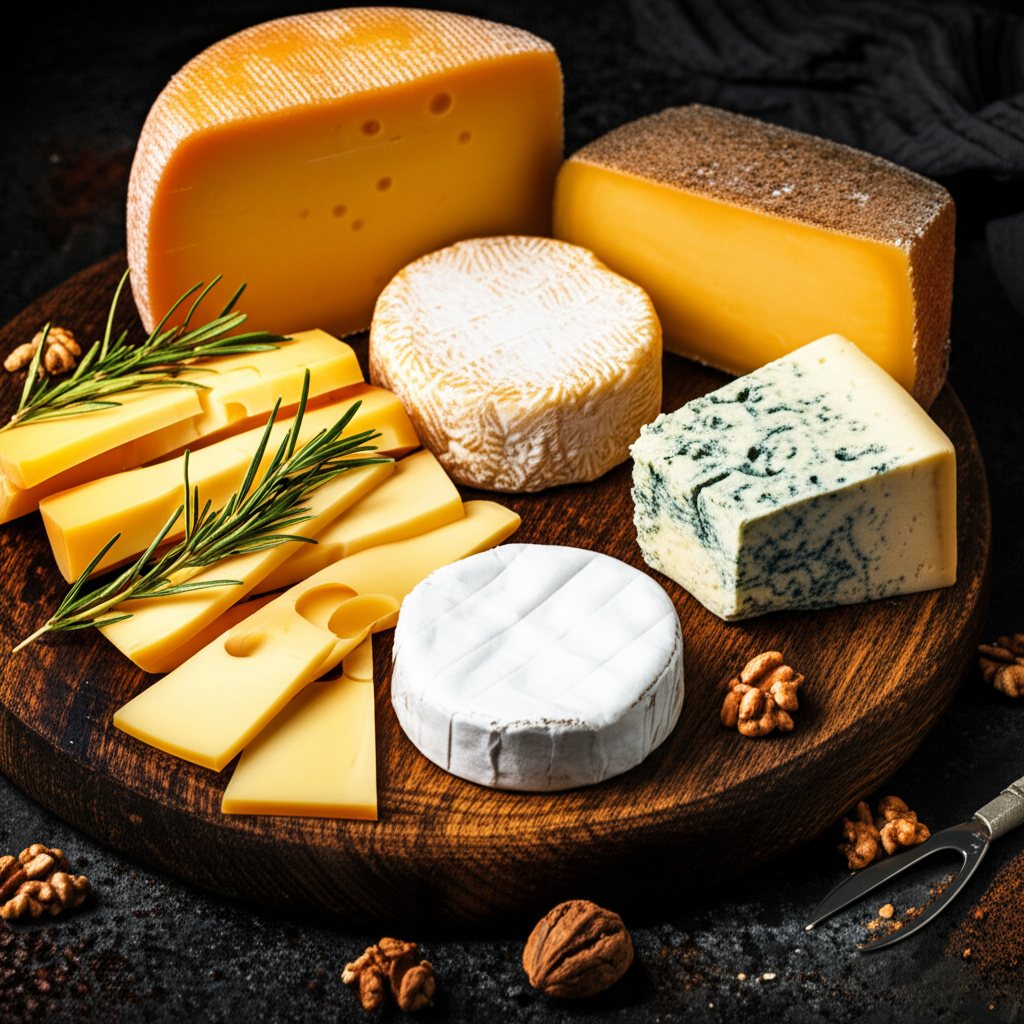
Cheese is a dairy product derived from milk and produced in a wide range of flavors, textures, and forms by coagulation of the milk protein casein. It comprises proteins and fat from milk, usually the milk of cows, goats, sheep, or buffalo. It is made through the controlled fermentation of milk, separating the solid curds from the liquid whey. Cheese production likely originated in the Middle East or Europe. Evidence suggests cheese was being made as early as 8000 BCE. Today, cheese is a global food, with countless varieties produced and consumed worldwide. It is commonly used as an ingredient in various dishes, including sandwiches, pizzas, salads, and pasta. Cheese is also enjoyed on its own as a snack or dessert, often paired with wine or fruit.
Ready to Check Another Food?
Use our tool to get an instant analysis of ingredients and Halal status.
Try It NowHow to verify
Check for Halal certification on the product, contact the manufacturer about the source, or choose a certified alternative when available.