Is Croissants Halal?
Analysis for: Croissants
Based on the provided information.
Reasoning:
Croissants are often made with butter, which could be derived from non-Halal sources. They may also contain additives like emulsifiers or dough conditioners that could be Haram or of questionable origin. If the croissants do not contain any haram ingredients and are prepared in a halal-certified environment, they are considered halal.
What is Halal?
Halal means permissible; Haram means forbidden. For the full guide on Islamic dietary principles, certification, and reading labels, visit our guide.
Read the full Halal guide →What is Croissants?
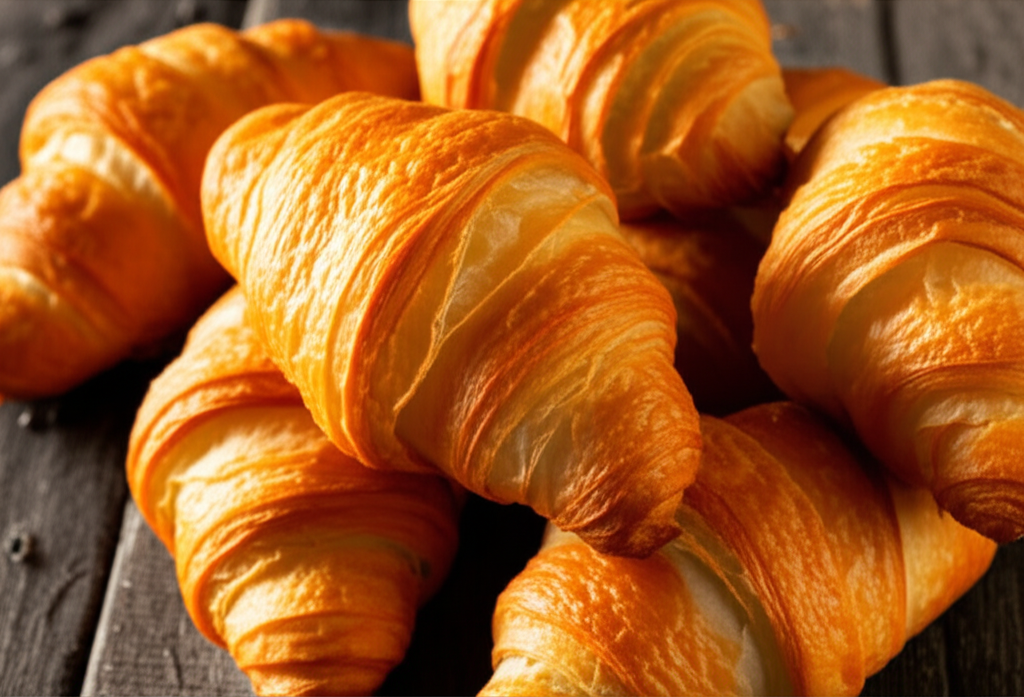
A croissant is a buttery, flaky, viennoiserie pastry of Austrian origin, but mostly associated with France. Croissants are made of a layered yeast-leavened dough. The dough is layered with butter, rolled and folded several times in a technique called laminating. This creates many thin layers of butter and dough, which expands in the oven as the butter melts and steams, resulting in a flaky texture. While the exact origins are debated, the croissant is believed to have been inspired by the Austrian kipferl. It gained popularity in France in the 19th century. Today, croissants are a staple in French bakeries and cafes and are enjoyed worldwide. They are commonly eaten as a breakfast pastry, often plain or with fillings such as chocolate, almond paste, or ham and cheese. Croissants are also used as a base for sandwiches or served alongside soups and salads.
Ready to Check Another Food?
Use our tool to get an instant analysis of ingredients and Halal status.
Try It NowHow to verify
Check for Halal certification on the product, contact the manufacturer about the source, or choose a certified alternative when available.