How to verify
- Fufu itself is cassava, plantain, yam or cocoyam and water.
- Ask what is in the soup: goat, beef and chicken need Halal slaughter.
- Ask about snails, bushmeat and any pork, which some soups include.
Quick checks
- Fufu itself is pounded cassava, plantain, yam or cocoyam: Halal.
- Ask which meat or fish is in the soup, and whether the meat is Halal.
- Some soups contain land snails, bushmeat or smoked meats; ask.
What decides the answer
-
Fufu on its own, or packaged fufu flour
Halal -
With fish soup, or soup with Halal goat, beef or chicken
Halal -
With meat from an unknown slaughter
Halal if verified -
Soup with pork, or with land snails (a scholarly difference)
check
Why this ruling
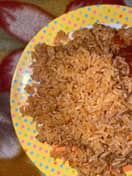
Fufu is the soft, stretchy dough eaten across West and Central Africa. It is made by boiling starchy roots or plantain and pounding them in a mortar until smooth and elastic, or, in many kitchens today, by stirring a fufu flour into hot water. A ball of fufu is torn with the fingers, dipped into soup and swallowed rather than chewed.[2][1]
What fufu is made from
- Cassava, often with plantain – the usual fufu of Ghana.
- Yam – pounded yam, the Nigerian favourite.
- Cocoyam and other roots, depending on the region.
- Packaged fufu flour, made from dried cassava, plantain or yam, sometimes with potato starch.
All of these are plants, so fufu itself is Halal. Related swallows such as eba (from garri), amala (from yam flour) and banku (fermented corn and cassava) are the same: plant dough with no animal ingredient.
The soup decides
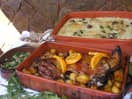
Fufu is never eaten alone. The soup is where the questions are:[3]
| Soup | Usually contains | What to check |
|---|---|---|
| Light soup | Tomato, pepper, goat, chicken or fish | The meat |
| Groundnut (peanut) soup | Peanuts, tomato, chicken or goat | The meat |
| Palm nut soup | Palm fruit, meat, smoked fish, crab | The meat |
| Egusi | Melon seed, leafy greens, beef, stockfish | The meat |
| Okra soup | Okra, fish, meat | The meat |
Goat, beef and chicken need Halal slaughter. Fish, crab and prawns are Halal. Some soups include land snails, on which the schools differ (see escargot), and a few restaurants use bushmeat or pork, so ask. Stock cubes are common too; check the pack for a Halal mark.
Eating it out
In Muslim communities in Ghana, Nigeria and across the diaspora, fufu and its soups are made with Halal meat as a matter of course. Elsewhere, ask what meat is in the soup. For other dishes from the region, see jollof, goat and the West Africa guide.
Frequently asked questions
Is fufu Halal?
What should I ask about the soup?
Are egusi and light soup Halal?
Is fufu flour Halal?
Scholarly view
Cassava, plantain, yam and cocoyam are Halal. The soup is judged by its meat and stock.
Sources
Named Islamic, certifier, manufacturer, and regulatory sources used on this page. Inline markers like [1] jump here. Retrieval dates show when we last checked the live URL. Editorial methodology.
Islamic / scriptural
Context / background
-
Wikipedia Retrieved
Culinary identity: Pounded West African meal originally made from boiled cassava, plantains and cocoyam. Identity context, not a Halal certificate.
-