
Is Malt Vinegar Halal?
Analysis for: Malt Vinegar
Based on the provided information.
Reasoning:
Malt vinegar is derived from the fermentation of barley. While the initial fermentation process might produce alcohol, the subsequent acetification process converts the alcohol into acetic acid. If the alcohol content remains significant, it could be considered Haram. However, if the alcohol is completely or almost completely converted to acetic acid, it could be considered Halal. Due to the uncertainty of the complete conversion, it is best to consider it uncertain unless certified Halal.
What is Halal?
Halal means permissible; Haram means forbidden. For the full guide on Islamic dietary principles, certification, and reading labels, visit our guide.
Read the full Halal guide →What is Malt Vinegar?
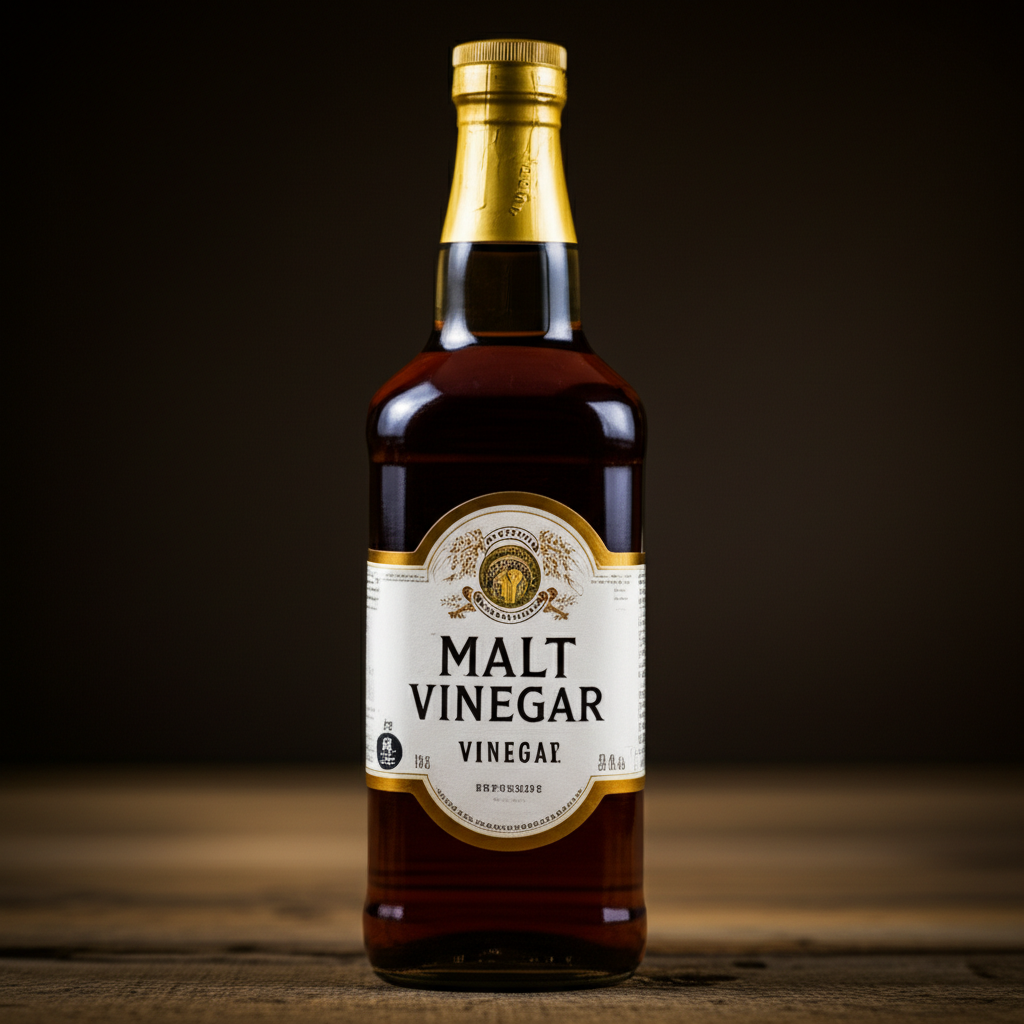
Malt vinegar is a type of vinegar made from malted barley. The barley is converted into maltose, a sugar, which is then fermented into beer. The beer is then further fermented into vinegar. It is characterized by its light to medium-brown color and distinctive malty flavor. Malt vinegar is believed to have originated in England, and it remains particularly popular in the United Kingdom, Canada, and Australia. It is commonly used as a condiment, particularly for fish and chips, where it is sprinkled liberally over the fried food. It is also used in pickles, chutneys, marinades, and sauces, adding a tangy and slightly sweet flavor.
Ready to Check Another Food?
Use our tool to get an instant analysis of ingredients and Halal status.
Try It NowHow to verify
Check for Halal certification on the product, contact the manufacturer about the source, or choose a certified alternative when available.