
Is Mayonnaise Halal?
Analysis for: Mayonnaise
Based on the provided information.
Reasoning:
Mayonnaise typically contains eggs, oil, vinegar/lemon juice, and sometimes sugar and other additives. The halal status depends on the source of these ingredients. Eggs are generally halal, but the oil must be plant-based or from halal-slaughtered animals. Vinegar needs to be alcohol-free. Emulsifiers like mono- and diglycerides can be haram if derived from non-halal animal sources. Therefore, without knowing the specific source of each ingredient, it's uncertain.
What is Halal?
Halal means permissible; Haram means forbidden. For the full guide on Islamic dietary principles, certification, and reading labels, visit our guide.
Read the full Halal guide →What is Mayonnaise?
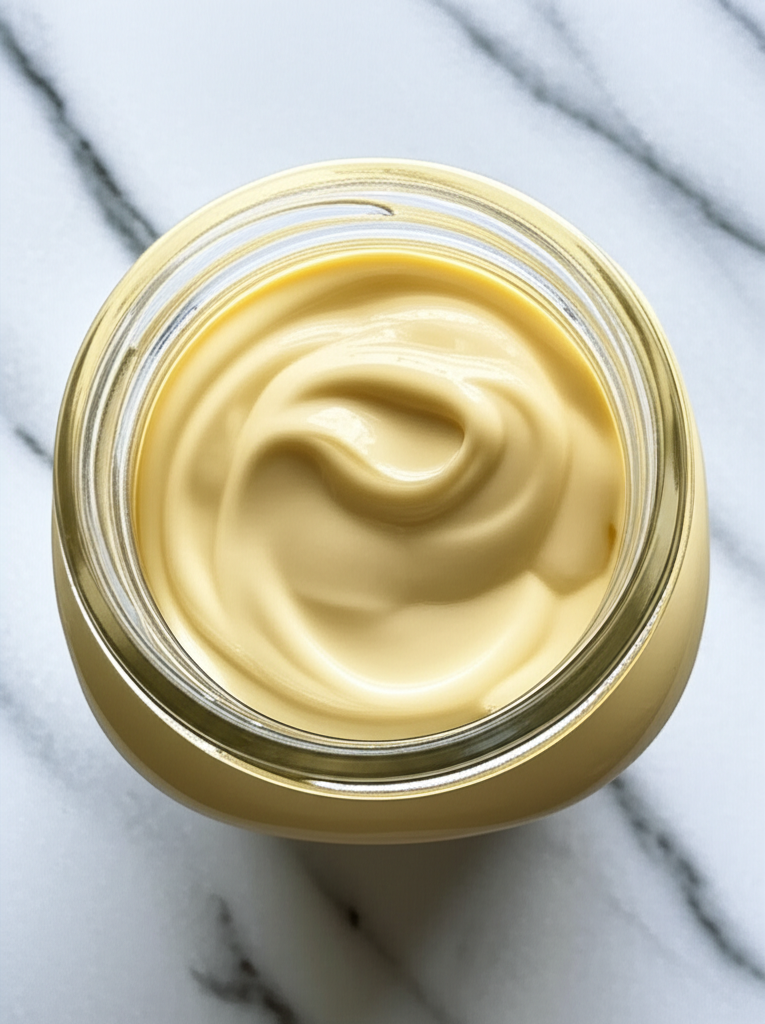
Mayonnaise is a cold, emulsified sauce consisting primarily of oil, egg yolk, and an acid, either vinegar or lemon juice. There are many variations using different flavorings. Its texture ranges from a light cream to a thick paste, and its color is usually pale white to light yellow. Commercial mayonnaise typically contains stabilizers and preservatives. While the precise origin is debated, mayonnaise became popular in the mid-18th century. One common theory suggests it originated in Mahón, Menorca, Spain, then controlled by France, and was popularized after the French victory at the Battle of Mahón in 1756. Mayonnaise is used globally as a condiment for sandwiches, burgers, french fries, and salads. It is also used as a base for other sauces and dressings, such as tartar sauce, thousand island dressing, and aioli.
Ready to Check Another Food?
Use our tool to get an instant analysis of ingredients and Halal status.
Try It NowHow to verify
Check for Halal certification on the product, contact the manufacturer about the source, or choose a certified alternative when available.