Is Pork Fat Halal?
Pork fat - including lard, rendered pork fat, and bacon grease - is haram by unanimous agreement.
Ruling
Haram
- Applies to
- General ruling; confirm local labels, slaughter, and certification when relevant
- Last reviewed
- 17 July 2026
Check another food
Evidence at a glance
Named sources used for this page. Open the full Sources block for notes and citation numbers.
| Source | Type | Retrieved |
|---|---|---|
| Surah Al-An'am 6:145 Qur’anic text | Islamic / scriptural | 2026-07-17 |
Why this ruling
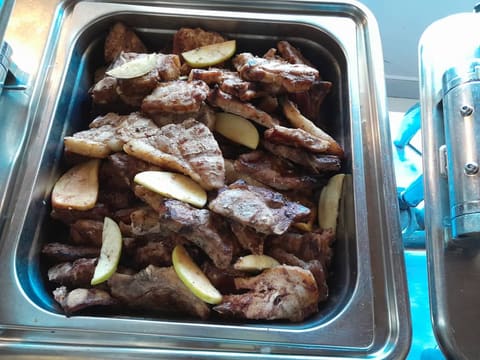
Pork fat - including lard, rendered pork fat, and bacon grease - is haram by unanimous agreement. The Quranic prohibition of swine covers the animal's fat as fully as its flesh.
Pork fat is the rendered or unrendered fat of the pig - lard when rendered for cooking, bacon grease when collected from the pan, 'animal shortening' when hiding on an ingredient panel. In Islamic law its status is identical to pork flesh: haram by unanimous agreement of every school, with the Quran's description of swine as rijs (impurity) covering the animal in its entirety. Classical jurists did not leave this to inference - the fat (shahm) is discussed explicitly alongside the meat in the foundational texts.
What makes pork fat a bigger practical hazard than pork meat is invisibility. Nobody accidentally eats a pork chop; plenty of people unknowingly eat lard. It appears in traditional pie crusts and biscuits prized for flakiness, in authentic refried beans and tamales, in old-school doughnut and tortilla recipes, in 'animal shortening' in commercial baked goods, and as bacon grease stirred into Southern-style greens, cornbread, and beans as seasoning. Restaurant fryers in some traditional kitchens still use lard, and food cooked in it - however innocent the item - takes the ruling of the fat it absorbed.
The defense is a short vocabulary list and a willingness to ask. On labels: 'lard', 'animal fat', 'animal shortening', and unspecified 'tallow' are stop signs; 'vegetable shortening' and named plant oils are fine. In restaurants, the productive questions are 'is the pastry made with lard or butter?' and 'are the beans/greens cooked with bacon or pork?' - questions Mexican and Southern kitchens hear constantly and answer readily, since vegetarian versions of these staples are now mainstream.
Every culinary function of lard has a clean substitute: butter and ghee for richness, vegetable shortening for flaky pastry, coconut and olive oils for frying. The one thing with no substitute is checking - because unlike bacon on a burger, fat leaves no visual trace.
Hidden kitchen uses
Lard makes flaky crusts and traditional beans; bacon grease seasons greens. Food absorbs the fat—fries and pastry are not spared. See lard, pork, pastries. Qur'an 6:145 describes swine as rijs: quran.com/6/145 (retrieved 20 July 2026). FSIS/FDA labeling of fats: fsis.usda.gov (retrieved 20 July 2026), fda.gov/food (retrieved 20 July 2026).
Refried beans, biscuits, and doughnut shops
Ask Mexican restaurants whether refried beans are vegetarian (vegetable oil) or lard-based—staff usually know. Old-fashioned biscuit and pie recipes may still call for lard; butter or vegetable shortening substitutes cleanly. Some traditional doughnut fryers use animal fat—verify. “Animal shortening” on ingredient lists without species is a pass for cautious shoppers. Keeping olive oil and butter as default fats removes most household ambiguity. When a bakery cannot name the fat in its crust, treat that opacity as reason enough to choose another shop.
Sources
- Qur'an 6:145 — quran.com/6/145 (retrieved 20 July 2026)
- USDA FSIS — fsis.usda.gov (retrieved 20 July 2026)
- U.S. FDA Food — fda.gov/food (retrieved 20 July 2026)
Where you'll find it
- Lard in pie crusts, pastries, and biscuits
- Frying medium in traditional and fast-food cooking
- Refried beans and tamales (traditional recipes)
- Bacon grease used as flavoring in Southern cooking
- 'Animal shortening' in commercial baked goods
How to verify
Butter, ghee, vegetable shortening, coconut oil, and olive oil cover every culinary use of lard - flaky pastry included. For refried beans and tamales, look for 'vegetarian' versions (made with vegetable oil), now standard in US groceries.
- Pork fat = pork ruling (ijma).
- Food fried/baked in lard takes the ruling.
- Vegetable shortening is fine; plain “shortening” may not be.
- No istihalah cleanup for rendered pork fat in food.
Scholarly differences
All four Sunni schools and Shia jurisprudence agree: every part of the pig is haram and najis (impure), and the fat is explicitly included - classical texts discuss pork fat (shahm al-khinzir) alongside the flesh. Even trace amounts in food render it impermissible, and scholars note there is no purification process (no istihalah applies to rendered fat, which remains fat). The label words to watch are 'lard', 'animal fat', 'animal shortening', and 'tallow' of unspecified species.
Quranic guidance
-
Surah Al-An'am 6:145
"...or the flesh of swine - for indeed, it is impure (rijs)..."
Frequently asked questions
Is pork fat treated differently from pork meat in Islamic law?
What foods commonly hide pork fat?
If food was just fried in lard, can I eat the food itself?
Is 'shortening' on a label a problem?
What about pork fat in soaps or non-food products?
Sources
Named Islamic, certifier, manufacturer, and regulatory sources used on this page. Inline markers like [1] jump here. Retrieval dates show when we last checked the live URL. Editorial methodology.
Islamic / scriptural
-
Qur’anic text
...or the flesh of swine - for indeed, it is impure (rijs)...
Retrieved: 2026-07-17
People also check
Related ingredients and products for this item.
Browse this topic
Open the parent category hub for more foods in the same group.